Adidas edging Nike in World Cup sales boost, data show
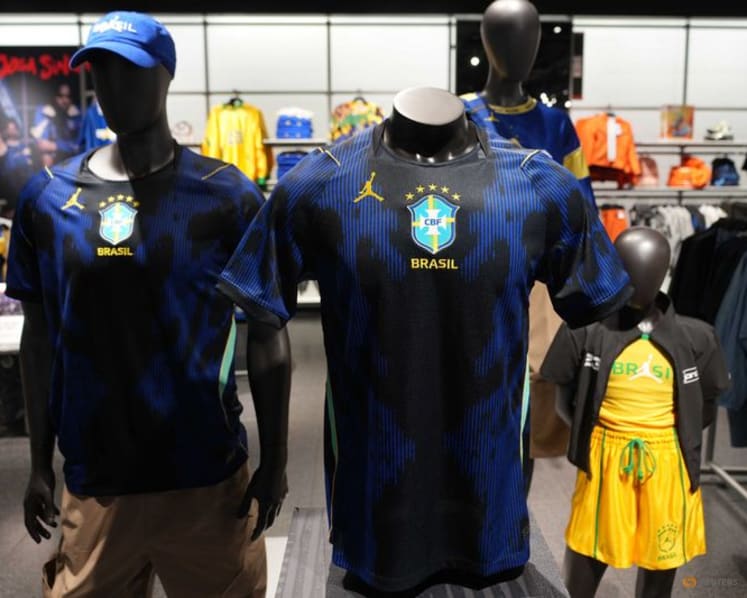
NEW YORK, June 24 : As the World Cup brand battle heats up, sportswear giant Adidas appears to be getting a bigger boost than rival Nike, early data show.
Both companies are investing heavily in the tournament, but Nike is relying on it for sales and visibility as it tries to right its ship amid years of steadily leaking market share. Investors will be looking for signs of progress next week when Nike reports fourth-quarter earnings.
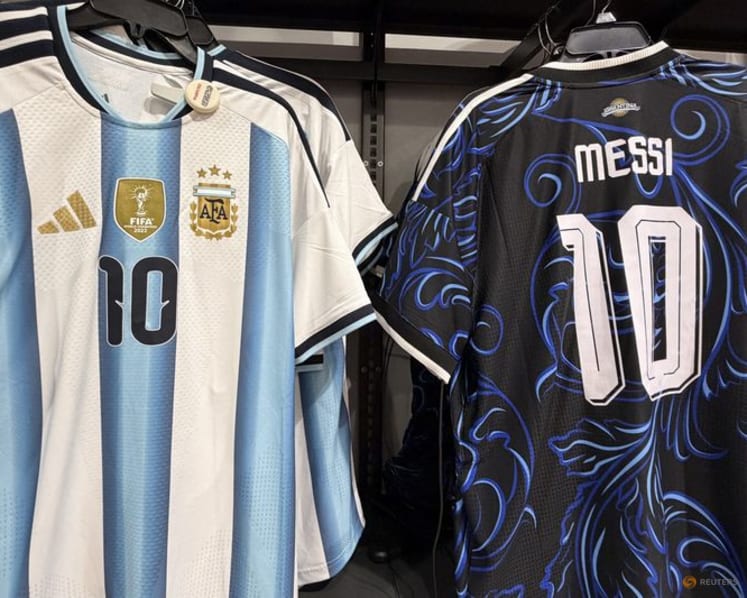
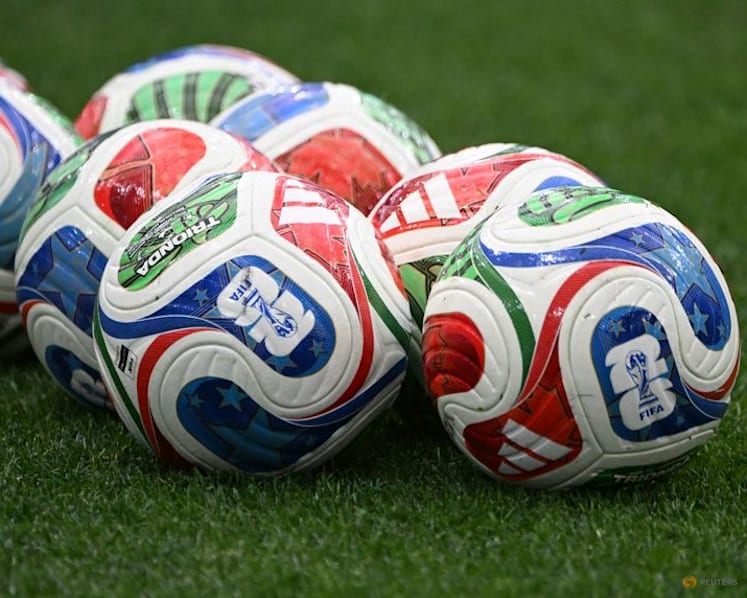
Adidas, an official World Cup sponsor and a brand long associated with soccer, is sponsoring 14 teams and supplying the coveted match ball.
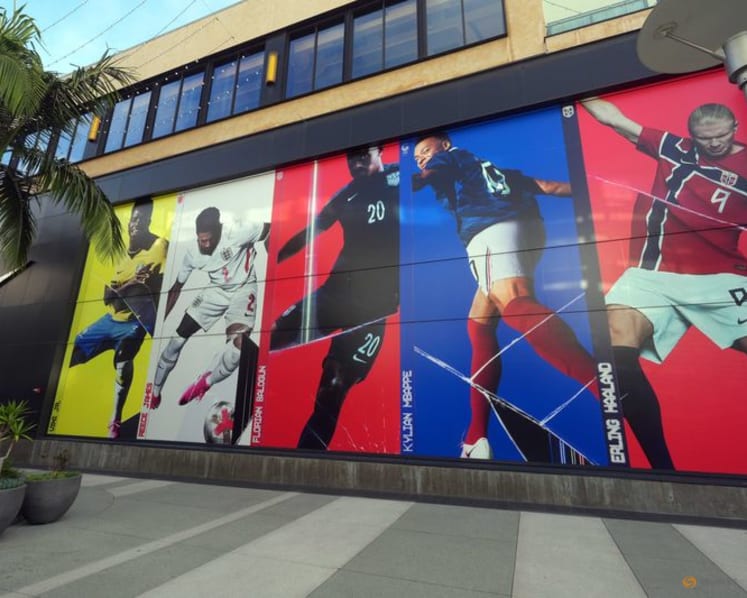
Nike is outfitting 12 national teams, partnering with local street-wear designers, and refreshing soccer merchandise at more than 5,000 Nike and wholesale stores globally.





But while both brands are poised to get a World Cup boost to their apparel businesses, Adidas is benefiting "to a greater degree thus far," said Drake MacFarlane, a research analyst at M Science.
Spending on Adidas apparel surged 70 per cent in May from the previous year and stayed strong into June, according to M Science data. MacFarlane attributed the trend to "substantial growth" in jersey sales ahead of the World Cup.
Nike's apparel business is growing as well, he added, but that growth is being outpaced by Adidas, which has "the right set of product for the consumer."
Foot traffic data tell a similar story.
Visits to Adidas' U.S. stores surged 47 per cent during the first week of the World Cup compared to 2026 averages, versus an 11 per cent jump at Nike's U.S. factory stores, according to data from Placer.ai, shared with Reuters.
For Adidas, those visits represented a 16 per cent jump versus the same week last year - but for Nike, they represented a drop, Placer.ai found.
While the Nike data only covers outlet stores, the overall findings still indicate that Adidas "has been top of mind for shoppers and may have done a good job in its store activation around the event," said Elizabeth Lafontaine, Placer.ai's director of research.
British retailer JD Sports said Mexico jerseys - which are supplied by Adidas - were its best-selling team kit during the week beginning June 15. Nike's U.S. team jerseys took the second spot in total sales, the retailer said.
A bright spot for Nike: 28 per cent of its World Cup merchandise in the U.S. sold out during the first two weeks of the tournament - well above Adidas' 7 per cent, according to a report from LSEG this week.
FOOTWEAR IN FOCUS
Nike has had a strong presence at the World Cup.
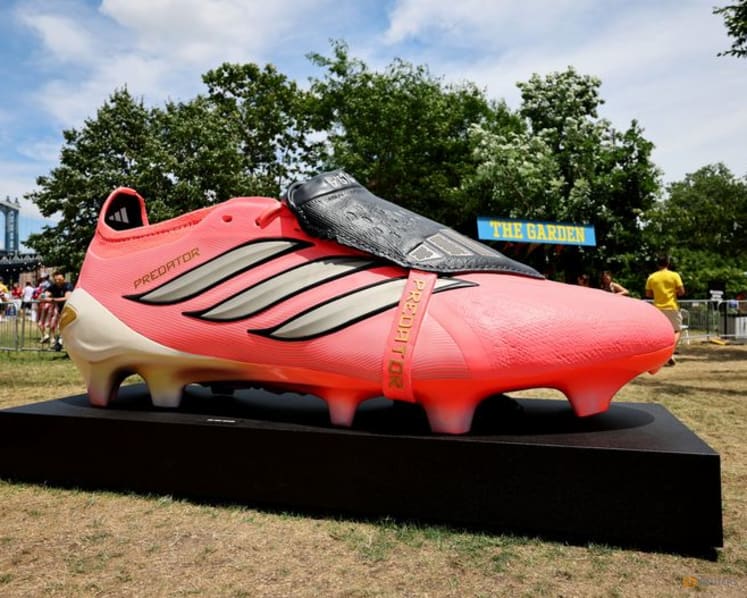
A Reuters analysis found that 232 of the 528 World Cup starters so far have worn Nike boots, with Adidas close behind at 218. "Nike is right there" despite Adidas' close association with FIFA, said David Swartz, an equity analyst at Morningstar. "Strong visibility ... is good for its brand strength."
World soccer's governing body FIFA runs the tournament.
Nike could use the win: sales have fallen as demand for classic lines like Dunk and Air Jordan has cooled. Competition from newer players like On and Deckers has intensified, and analysts say the company has been slow to pivot to new styles.
While World Cup visibility can't hurt, "at the end of the day it's really all about the product," said Mari Shor, senior equities analyst at Columbia Threadneedle, which holds Nike stock. "If [Nike's] product isn't resonating, the rest of it doesn’t matter."
Nike's share of the global sports footwear market has fallen from 29.2 per cent in 2022 to 22.9 per cent last year, according to Euromonitor International data, obtained by Reuters.
Nike and Adidas have lately traded blows.
In April, Nike entered exclusive talks to provide balls for certain UEFA soccer matches, a role that was Adidas' for 25 years. Later that month, though, Kenyan Sabastian Sawe wearing new, ultra-light shoes from Adidas broke the two-hour marathon barrier, a coup as the two companies battle for sports innovation.
Nike CEO Elliott Hill, who took the helm in 2024, vowed to refocus Nike on key sports like soccer and running, saying the company had "lost its obsession with sport."
Yet it remains the larger company by far, its footwear market share still nearly double second-place Adidas.
It's "the biggest dog in the fight," said Sarah Henry, a portfolio manager at Logan Capital Management. "It should be able to hit everybody else pretty hard."