Curling-Double touching drama brings much-needed attention to the rink
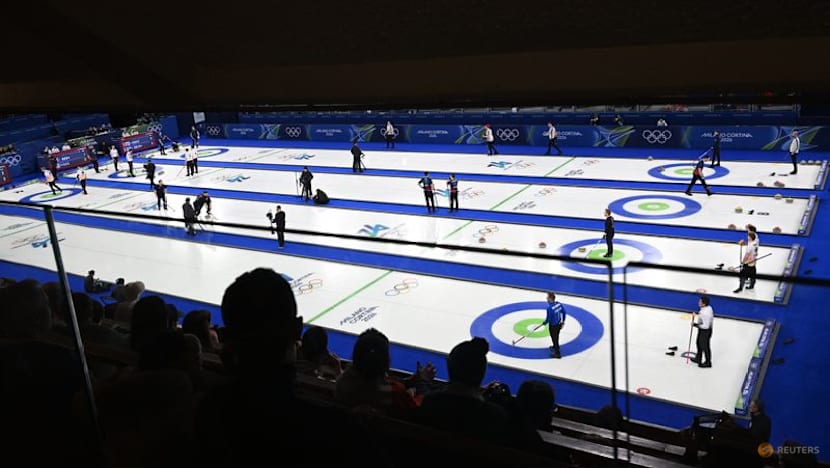
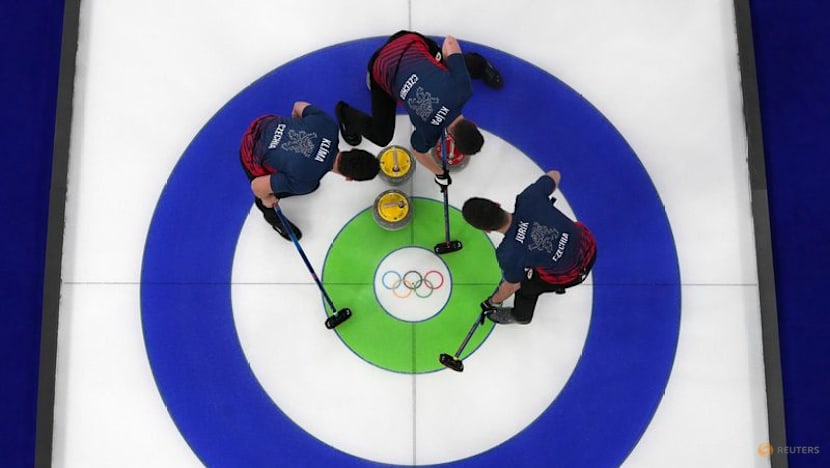
CORTINA D'AMPEZZO, Italy, Feb 16 : An ugly cheating controversy which triggered an outburst of expletives in the usually genteel surroundings of the Olympic curling rink could turn out to be a blessing in disguise for a sport often ignored between Games.
On Friday, Sweden's men's team accused Canadian curlers of cheating by double touching stones, triggering a heated clash between players and a frenzy in the media, both traditional and social.
"What is always interesting, particularly about curling, is that it is one of those slow burners," International Olympic Committee spokesman Mark Adams told reporters when asked about the controversy on Monday.
"We have it at every Games. Its popularity always explodes during the Games. That is a great thing for any sport, to get that kind of exposure, particularly among audiences and countries that don't generally have them."





Curling made its Olympic debut at the 1924 Games in Chamonix but was not part of the official programme again until 1998 at Nagano.
Last year, World Curling president Beau Welling told Reuters that his key goal was to find ways to keep fans engaged throughout the year and reach audiences outside traditional winter sports strongholds.
"It is quite difficult for people who are from winter sports countries to realise those that aren't see the sports for the first time," Adams added.
"And they get addicted to them and sometimes they start playing them. Am I happy about a sport getting coverage in countries and people where it normally doesn't? Yes of course."
ATTENTION ISN'T BAD
The drama was amplified in large part due to a fiery exchange between Canada's Marc Kennedy and Sweden's Oskar Eriksson.
After Eriksson told Kennedy he would show him a video replay of him touching a stone repeatedly, the Canadian twice responded with the expletive sometimes known colloquially as the F-Bomb.
"I've got friends back home who aren't huge curling fans, they're like, 'what's going on'? I've got my daughter texting me going, 'Marc's getting spicy out there'," Curling Canada CEO Nolan Thiessen said.
"At the end of the day, it shines a little extra light on the sport ... Sometimes attention, even though it's from an interesting standpoint, isn't bad for the sport.
"I don't mind when people in my life who aren't huge curling fans are asking me about curling things that they saw. That means that our sport's being talked about and being followed. Hopefully even more people will watch the rest of this event."
Kennedy later said he regretted using an expletive, but added that he had nothing to apologise for after being accused of cheating.
"What Marc said isn't okay," David Shoemaker, chief executive of the Canadian Olympic Committee, told Reuters on Monday.
"I think he knows that. I think he'd like to move on. I think the team would like to move on.
"I'm not sure the internet wants to move on, or social media and I think that's the reality of the sporting world and the focus that the Olympic Games get on it."