De La Hoya, Ali's grandson warn US lawmakers against boxing law overhaul
(Corrects day to Wednesday in first paragraph)
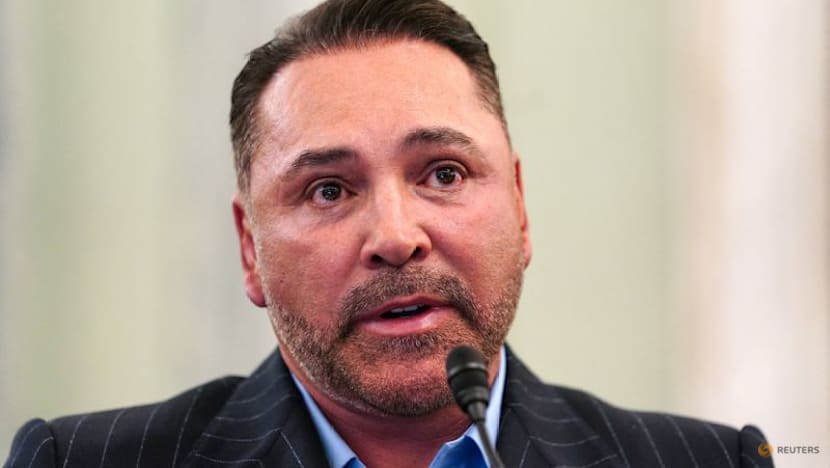
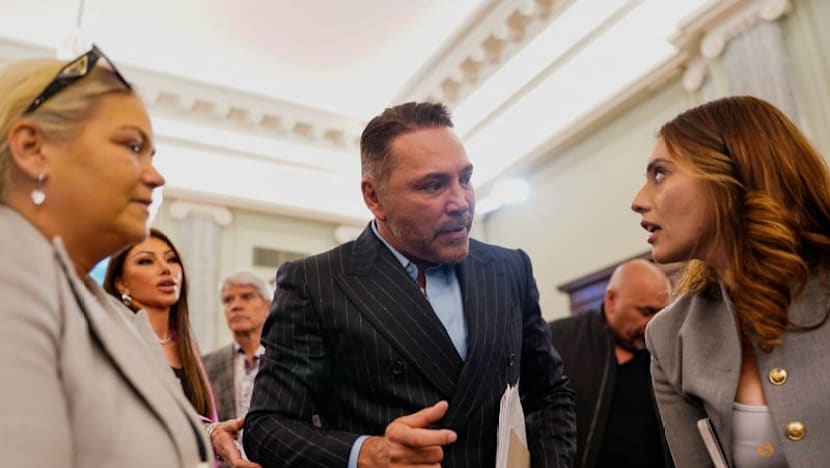
April 22 : Former boxing champion Oscar De La Hoya appeared before the U.S. Senate on Wednesday and argued against a potential transformation of the current system governed by the Muhammad Ali Boxing Reform Act that, since 2000, has aimed to protect fighters from exploitative practices.
The hearing - titled "Return to Your Corners: Have Federal Boxing Laws Gone the Distance or Slipped the Jab?" - was held a month after the U.S. House of Representatives passed the Muhammad Ali American Boxing Revival Act which, if it becomes law, would allow for the creation of a single entity to combine promotion, rankings, titles and sanctioning under one roof.
"This is a fundamental shift in power that, if enacted, would put corporate profits first and fighters second," De La Hoya told the Senate Committee on Commerce, Science, and Transportation. "We should be clear about who benefits from this."





Thirty years ago, Congress set federal boxing standards by passing the Professional Boxing Safety Act. Four years later, Congress tightened those standards by enacting the Muhammad Ali Boxing Reform Act. Together known as the Ali Act, the federal framework for professional boxing was designed to address conflicts of interest in the boxing market and strengthen boxers’ bargaining power.
Last month the House passed the Revival Act to make it easier for boxing to be organized in the same manner as other professional sports leagues.
'FIGHTERS WILL HAVE FEWER CHOICES'
De La Hoya told the hearing that, like him, many fighters enter the sport young, trusting and without resources, and that once they are locked into the wrong deal, it is very difficult to get out. That is, he argued, exactly why the Reform Act exists.
"Fighters deserve real protection and real opportunity — not to have to fight the system as well," said De La Hoya. "If this bill passes, fighters will have fewer choices, less leverage, and less control over their careers. And when that happens, it will not be the sport that failed them. It will be us."
Nico Ali Walsh, a professional boxer and grandson of former world heavyweight champion Muhammad Ali, also argued to preserve the current Reform Act.
Walsh told the hearing the Reform Act was built on a simple principle: the people controlling fighters should not also control the entire marketplace those fighters depend on.
"That separation exists to prevent conflicts of interest and exploitation," said Walsh. "The new Muhammad Ali Boxing Revival Act would undermine that principle.
"If this bill is passed in its current form, it should not have my grandfather's name on it, as it would betray the principles his Act was created to protect."
WWE President and TKO Group board member Nick Khan spoke in support of the Revival Act, which would allow for the creation of a new, centralized, alternative professional boxing system called Unified Boxing Organizations.
"The existing Act, as it currently stands, would remain in place," said Khan. "This is an added option. It creates the framework for Unified Boxing Organizations, otherwise known as UBOs, that can do what major sports do — promote competition, develop talent, and enforce consistent standards under one roof."