What I’ll miss most about my ‘so far’ HDB estate – and you can’t put a price on it
In Singapore where its people are obsessed with housing upgrades, Ms Jillian Lim finds that she is leaving behind a resale flat that her family and friends dismissed, as well as the kind of neighbourly warmth that cannot be measured in square feet.
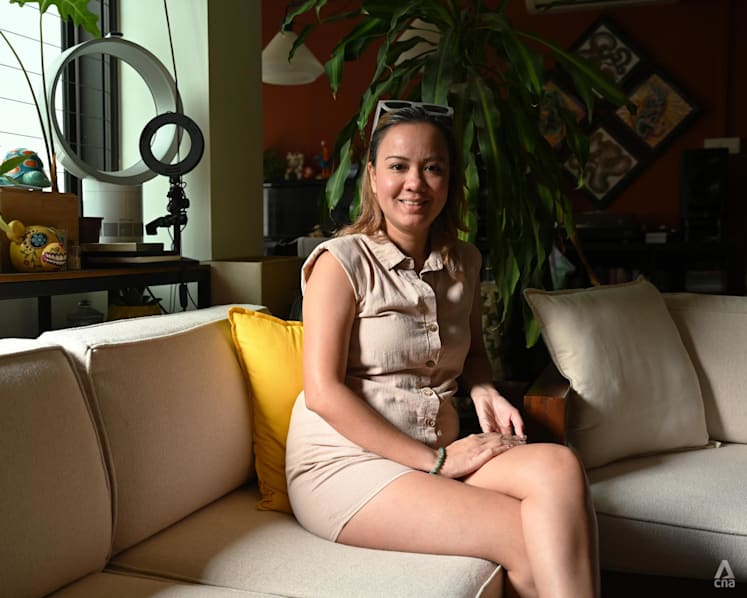
When Ms Jillian Lim bought her resale flat in Choa Chu Kang in 2018, her friends and family criticised it as "not a good buy". Now, she reflects on the intangible gains of living in a mature estate filled with community spirit. (Photo: CNA/Justin Tan)

This audio is generated by an AI tool.


I spent my youth living the Singaporean real-estate dream – or rather, my parents lived it, while I went along for the rent-free ride.
When I was born, my family was residing in a resale Housing and Development Board (HDB) flat in Ang Mo Kio. We rented a condominium unit when I was 10, while we waited for our HDB executive condo to be built.
The new executive condo then remained home till I was 19, when we moved to a private condo on Upper Bukit Timah Road. We moved three times in the next eight years, but always along the same road.
Things are different now. It's not nearly as easy to "upgrade" as it was 20 years ago; neither does it pay off as well.





It's probably safe to say that the Singaporean mindset is typically fixed on chasing constant upgrades – education, jobs, salaries and much more.
Here in land-scarce Singapore, where property remains a prime asset, housing is particularly important.
However, what constitutes "good" housing remains subjective.
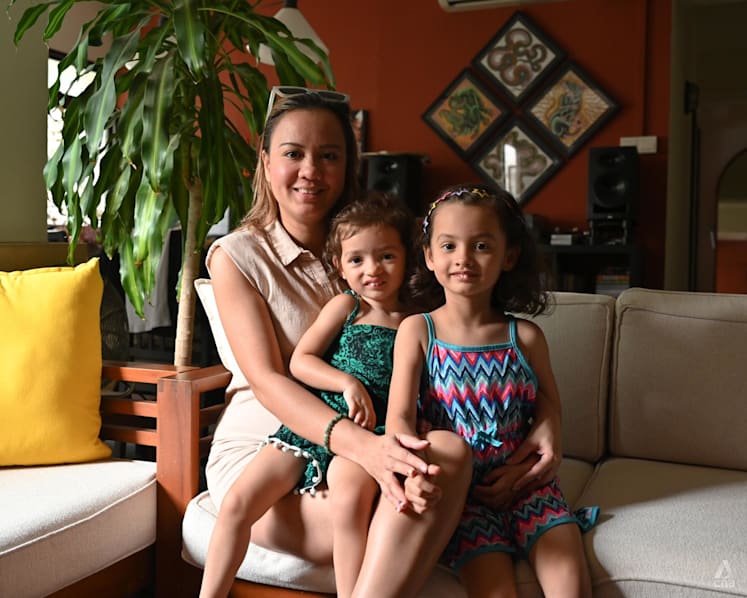
I have been living in a resale HDB flat in Choa Chu Kang with my husband and two children, and we are now looking to move closer to my older girl's prospective school, nearer central Singapore.
When we first bought this resale flat, some people were open and loud about their disapproval. Friends, family, colleagues – almost everyone said that ours was "not a good buy".
I should have gone for a Build-to-Order flat, they said. I would have made a killing selling it after the five-year Minimum Occupation Period and be on to my next upgrade by now.
Even now, we still get slighted jabs on occasion: "Your house is so far! I need a passport to get there." Or, "Wow, I never knew this part of Singapore existed."
Both comments quickly flip when they hear that my flat, which cost us S$416,000 in 2018, boasts an area of 1,313 square feet.
"Whoa! That's super worth the price." Or, "These days you'll never get this kind of size anymore."
Don't get me wrong – with two young girls and a larger dog, we do appreciate the space. At the same time, it's a little bit sad that even when people are willing to recognise some value in our choice of flat, it's only in its square footage.
In preparing to say goodbye to this home, I realise that I'm not just leaving behind the luxury of space in an increasingly crowded city, I'm leaving behind a way of living that feels increasingly rare.
NEIGHBOURS, THE UNCOUNTED ASSETS
When you're shopping around for a new place to live, what questions come top of mind?
During our own house search, these were some of mine: Who was the previous owner? When were the air-conditioners installed? What other upgrades were made to the unit in the last few years?
My father would tag along on some of these viewings. His questions for the real estate agent: "How are the neighbours? How long have they been living here? Any new neighbours recently? What are they like?"
At one point, I groaned out loud, tired of him being a nosy uncle.
"Dad, stop!" I said. "Why do you care what the neighbours are like? You're not going to be living here."
He said: "Yes, but you are."
He went on to make a good point I hadn't thought about: Most problems with a house can be fixed, but if your neighbours are bad, you'll have no choice but to endure them for the foreseeable future.
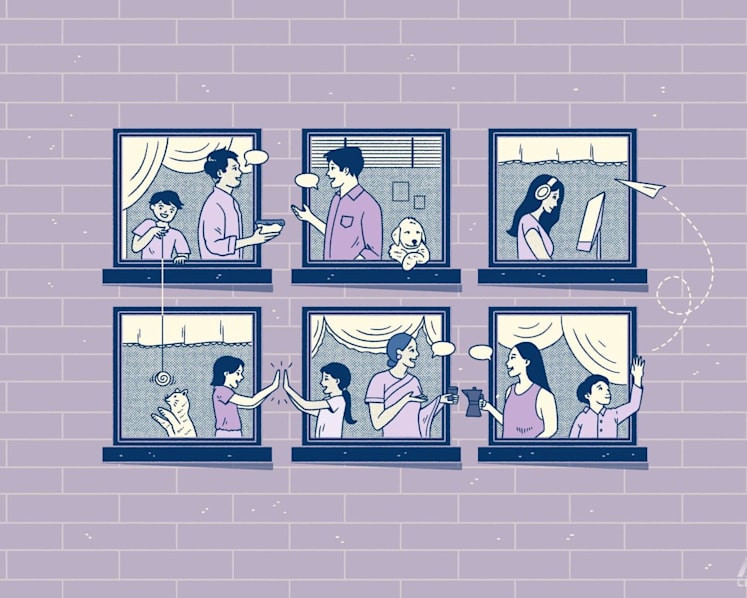
When we first moved in, we were the youngest family on our level.
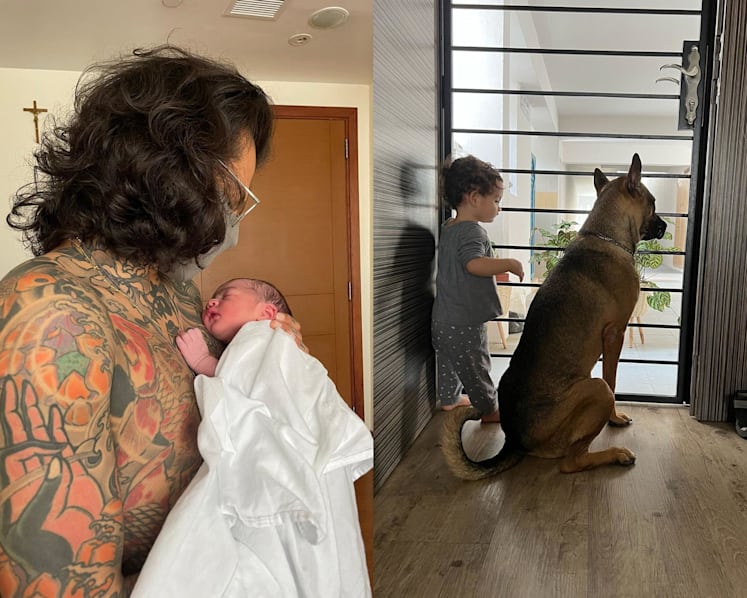
My husband's body is covered in tattoos, so at first, we worried that his appearance might make others apprehensive.
Yet, we always received smiles and pleasantries from the "aunties" in the housing block. Once, my husband ran into a neighbour of ours working the counter at McDonald's and she gave him a free coffee.
Over a year after moving in, we fostered what could possibly be Singapore's noisiest puppy.
At just four months, Steve was incurably excitable, barking hysterically at any delivery worker or "stranger" to the floor. He is now six years old and hasn't changed a bit.
We started to keep our front door closed in a bid to make Steve less reactive. It worked for a while.
One day, in the lift, a neighbour asked why we never opened our door anymore. He told us he had missed a few deliveries because he never heard our dog bark.
Another neighbour commented that Steve was the "guard dog" of our floor – when they heard him bark, they would know someone had a visitor.
GOOD NEIGHBOURS MAKE FOR A GOOD HOME LIFE
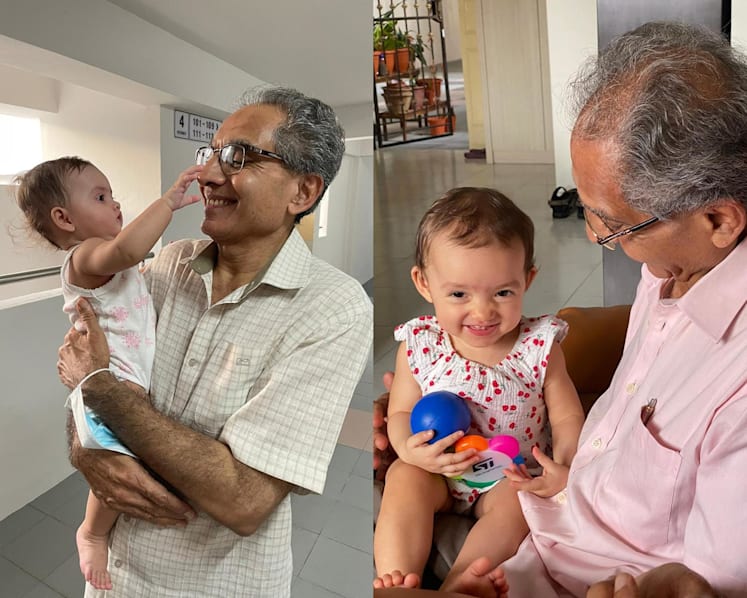
When we had our first child in 2020, my next-door neighbours would often lovingly hijack her.
"Hello, my friend! I've been waiting for you," my neighbour would say as he took my baby out of my arms. "You go shower and relax a while. Don't worry, I will watch her."
Off he would go with my baby, walking up and down the corridor, showing her the birds and trees. He told me he used to do this with his own daughter.
He always made sure to have highlighters, markers and other colouring materials whenever she went over to his place.
When my second child arrived in 2023, we did a minor renovation, which made it hard to put her down for afternoon naps. He offered his daughter's room since she was on holiday at the time.
Across from me lives a lovely Malay family that affectionately greets my dog "Steve sayang" and cooks for us every Hari Raya. They also give my domestic helper and my girls green packets (of monetary gifts) every year.
Down the corridor lives an Indian family with two children who are almost the same age as mine. There's a lot of passing back and forth of baby toys, clothes and diapers between our houses.
We exchange stories about how the second-born kids are little terrors, and check in on each other and swap tips and tricks whenever a child has been sick for too long.
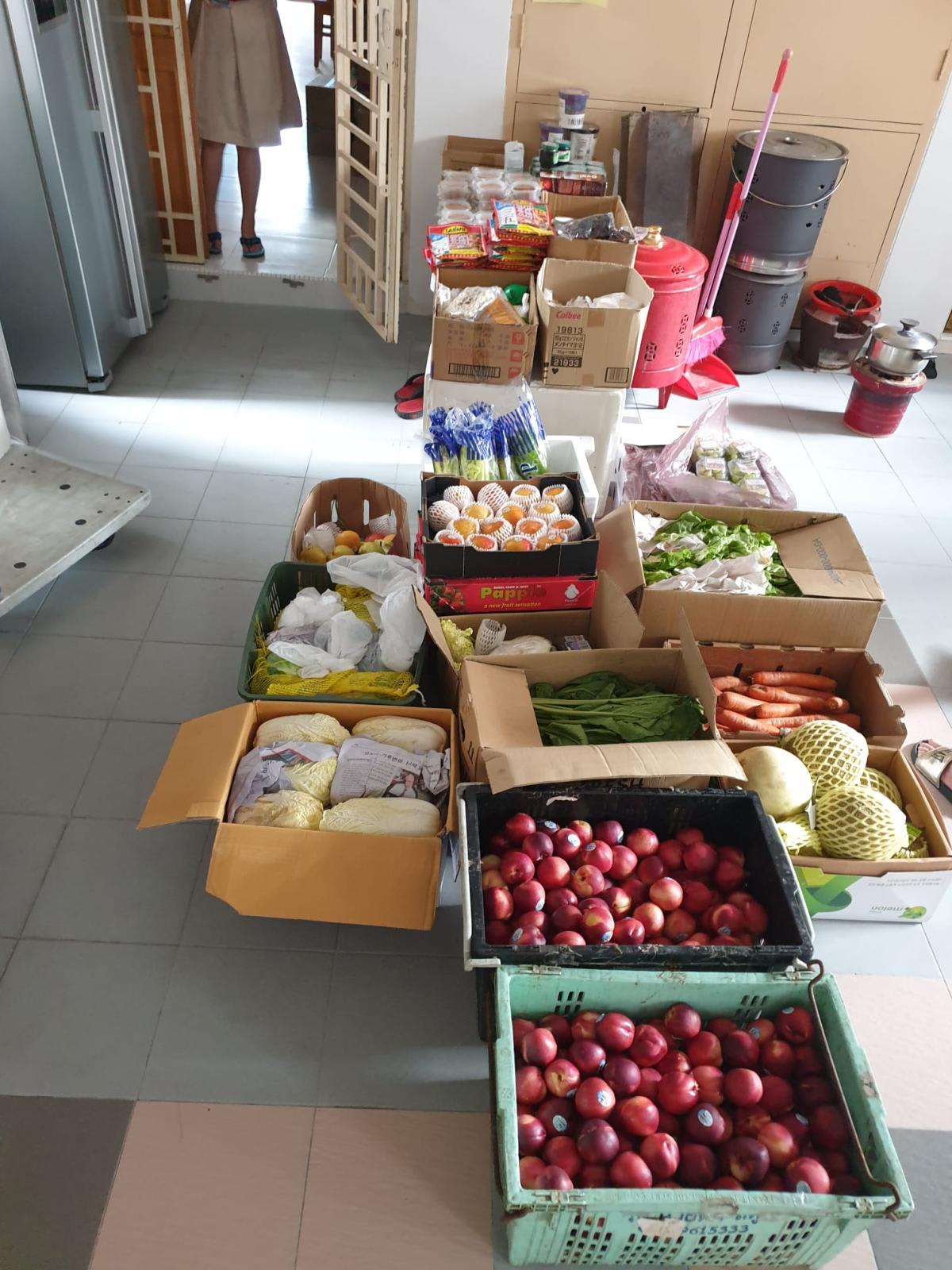
Above us, a Chinese family. The father runs a fridge restock community, so every Tuesday, the space outside his flat becomes a makeshift market of "ugly" produce (slighlty blemished but edible) or canned goods that are nearing their use-by date.
Residents from the area drop in and out all day, and very considerately take only what they need. My own girls have benefited from countless bananas and grapes from them.
Most problems with a house can be fixed, but if your neighbours are bad, you'll have no choice but to endure them for the foreseeable future.
We're also part of a chat group where residents from the block put up items that are no longer wanted, giving them away to each other for free.
I've given away a queen-sized bed, and gotten a laminating machine at no charge.
CAN YOU PUT A PRICE ON KAMPUNG SPIRIT?
How does one factor community spirit into the price of their housing unit?
I can't deny that my family has been spoilt by our neighbours. Nevertheless, all this is not to say that other living spaces are lesser in comparison.
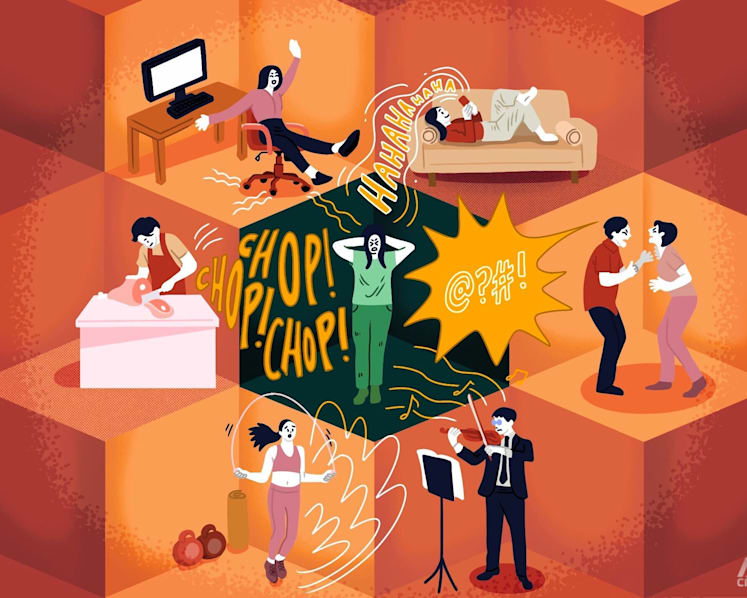
Should we move to a newer, younger, shinier estate, do I fear nasty glances from DINK (dual income, no kids) couples when my child is screaming in the lift? Do I worry that Steve's barking is going to trigger complaints from a young couple down the corridor struggling to get their newborn down for a nap?
Honestly, yes.
I adore where I live largely because of my neighbours. They've shaped how safe I feel, how patient I am, how willing I am to pause instead of rush.
Maybe newer estates aren't colder, and maybe people aren't less kind. Maybe we're all just more tired, more distracted, more wrapped up in our own lives.
Kampung spirit doesn't announce itself with fanfare. It shows up quietly each day in free coffees, borrowed diapers, barking dogs that are tolerated, and older residents who smile first.
Wherever you live, community is what you make of it. Being kind and considerate, as well as offering moments of connection – these are the building blocks for any type of relationship.
When we move, I hope I remember this version of home. I hope I keep my door open a little longer, make small talk, give others the benefit of the doubt.
If community is something you build, then perhaps the real housing upgrade isn't in the square footage or postal code. It's in choosing to be the kind of neighbour I've been lucky enough to have.
Jillian Lim is a mother to two girls and one Singapore Special. She has nearly two decades of experience in broadcasting, and is now pursuing her degree in business marketing.
If you have an experience to share or know someone who wishes to contribute to this series, write to voices [at] mediacorp.com.sg (voices[at]mediacorp[dot]com[dot]sg) with your full name, address and phone number.