How ube became the new matcha, and what it means for farmers when a crop goes viral


How ube became the new matcha, and what it means for farmers when a crop goes viral
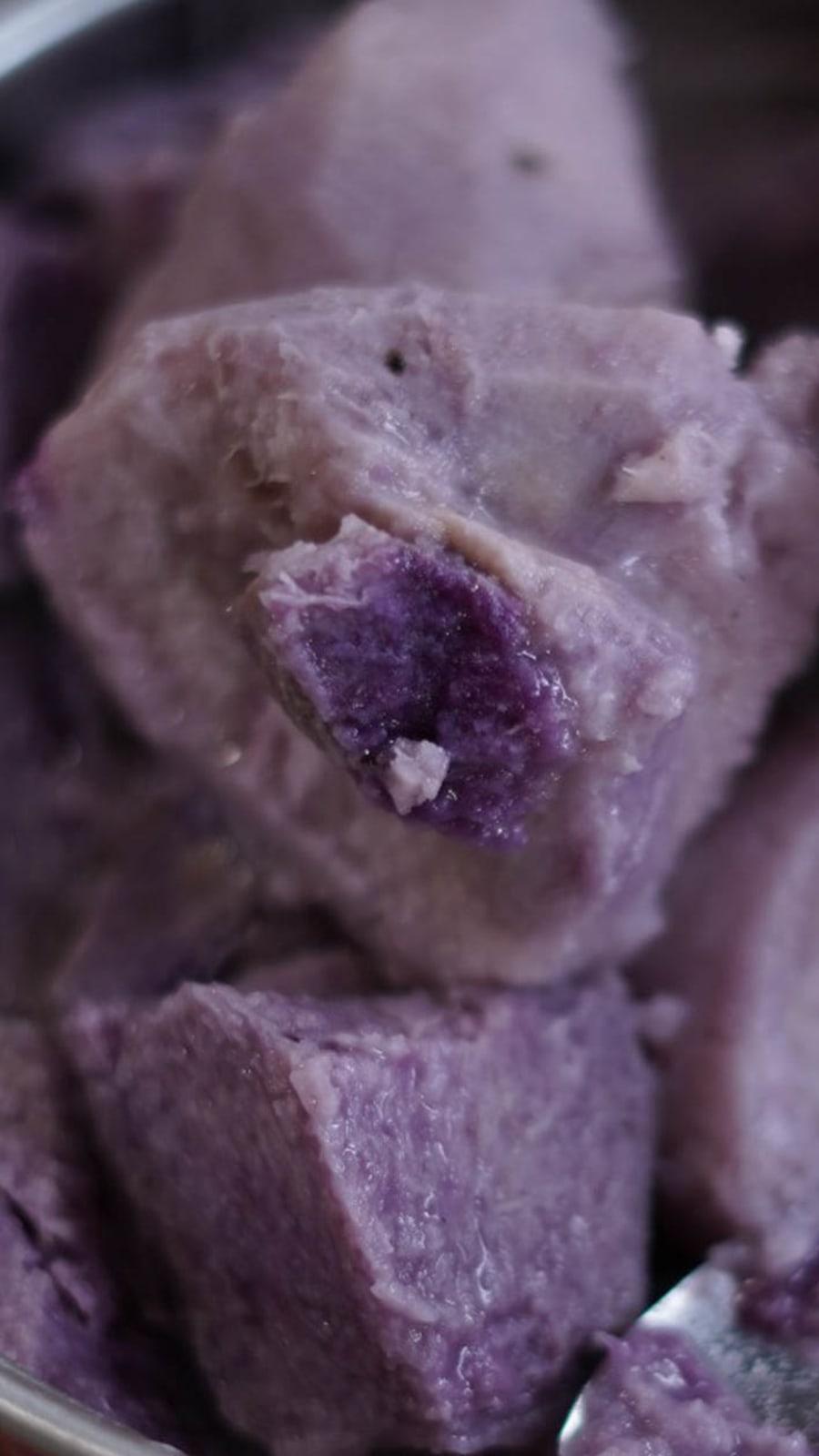
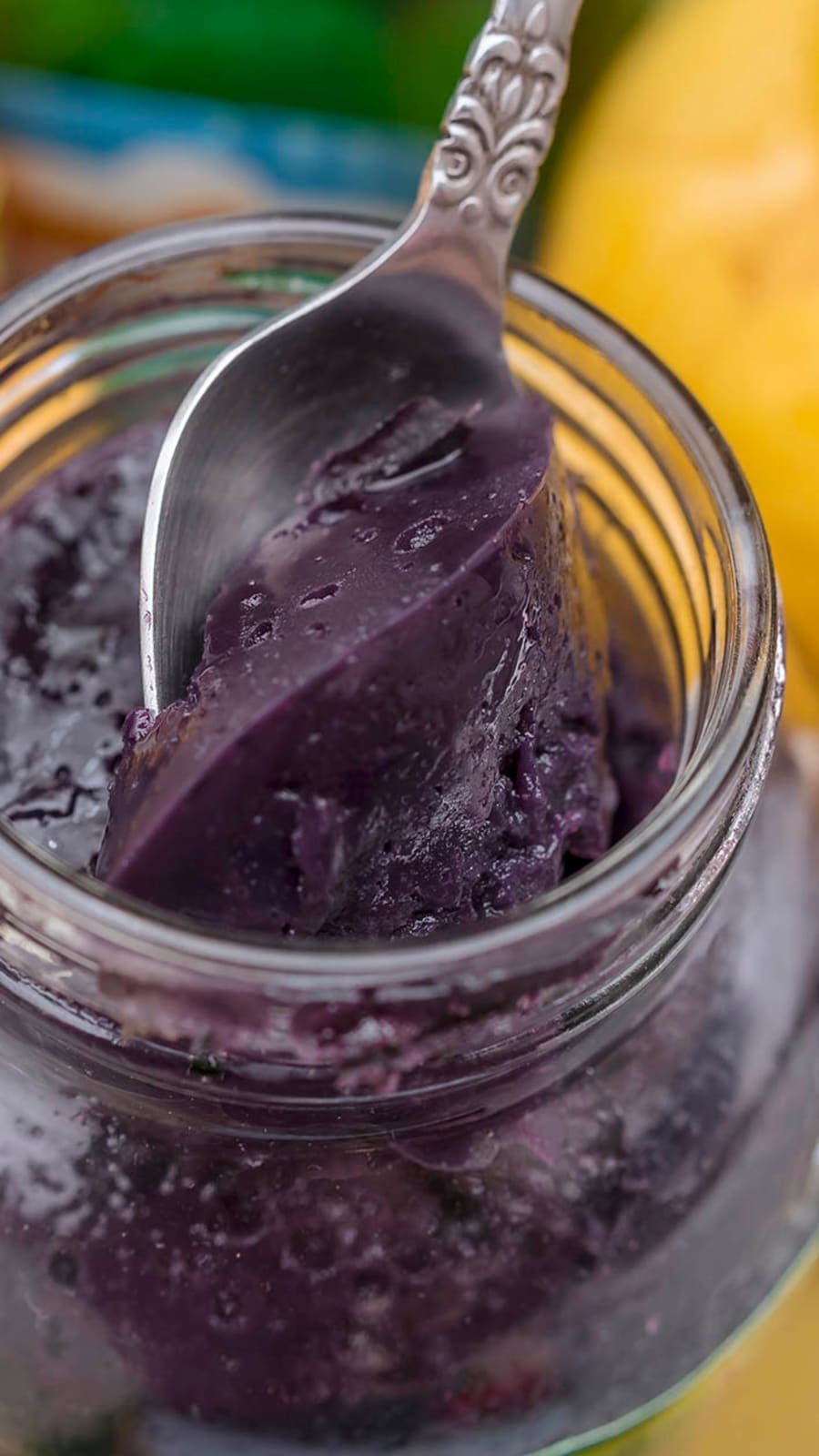
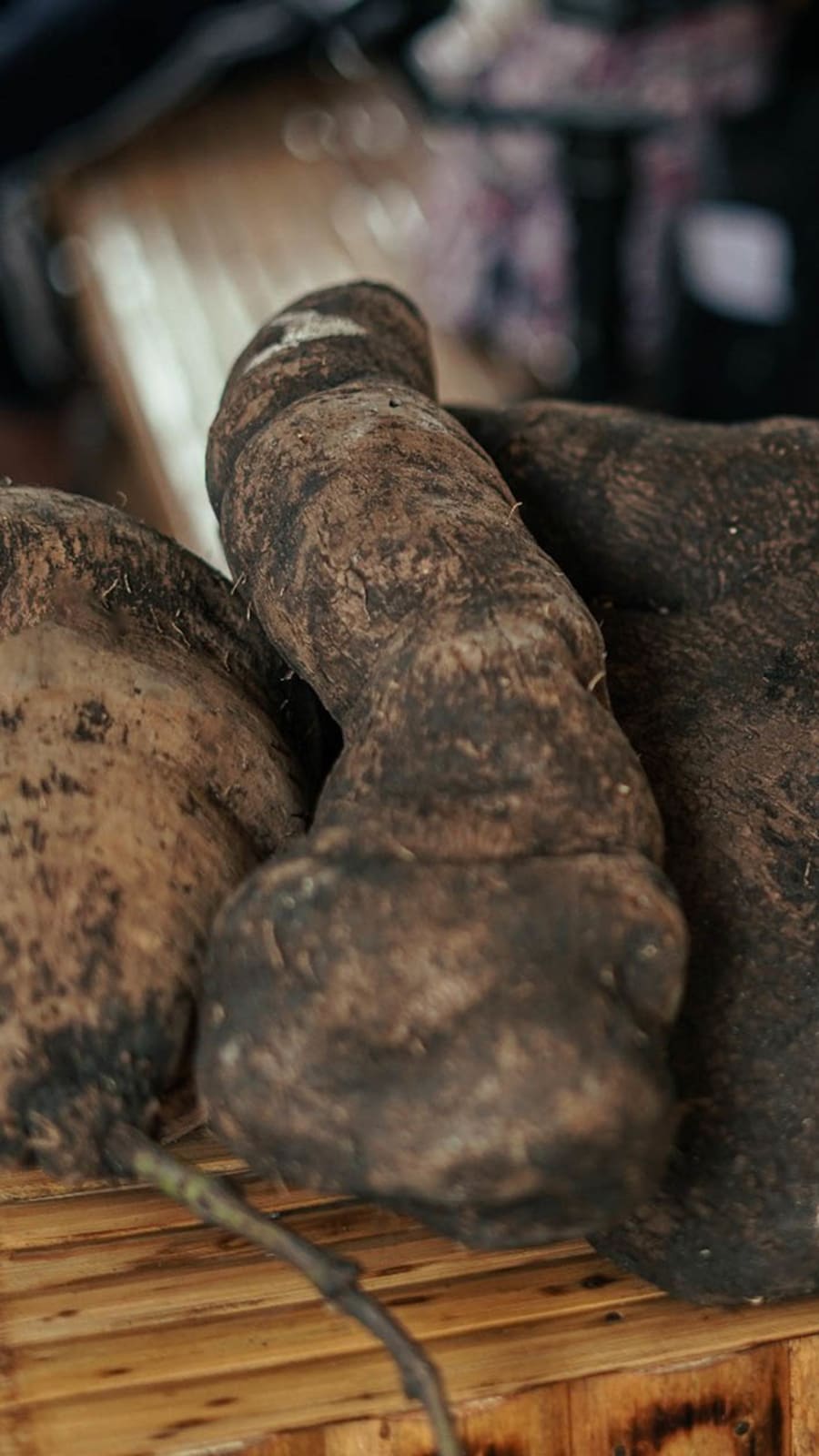
Ube is a purple yam native to the Philippines, traditionally used in Filipino desserts and known for its deep violet colour and subtly sweet, nutty flavour.
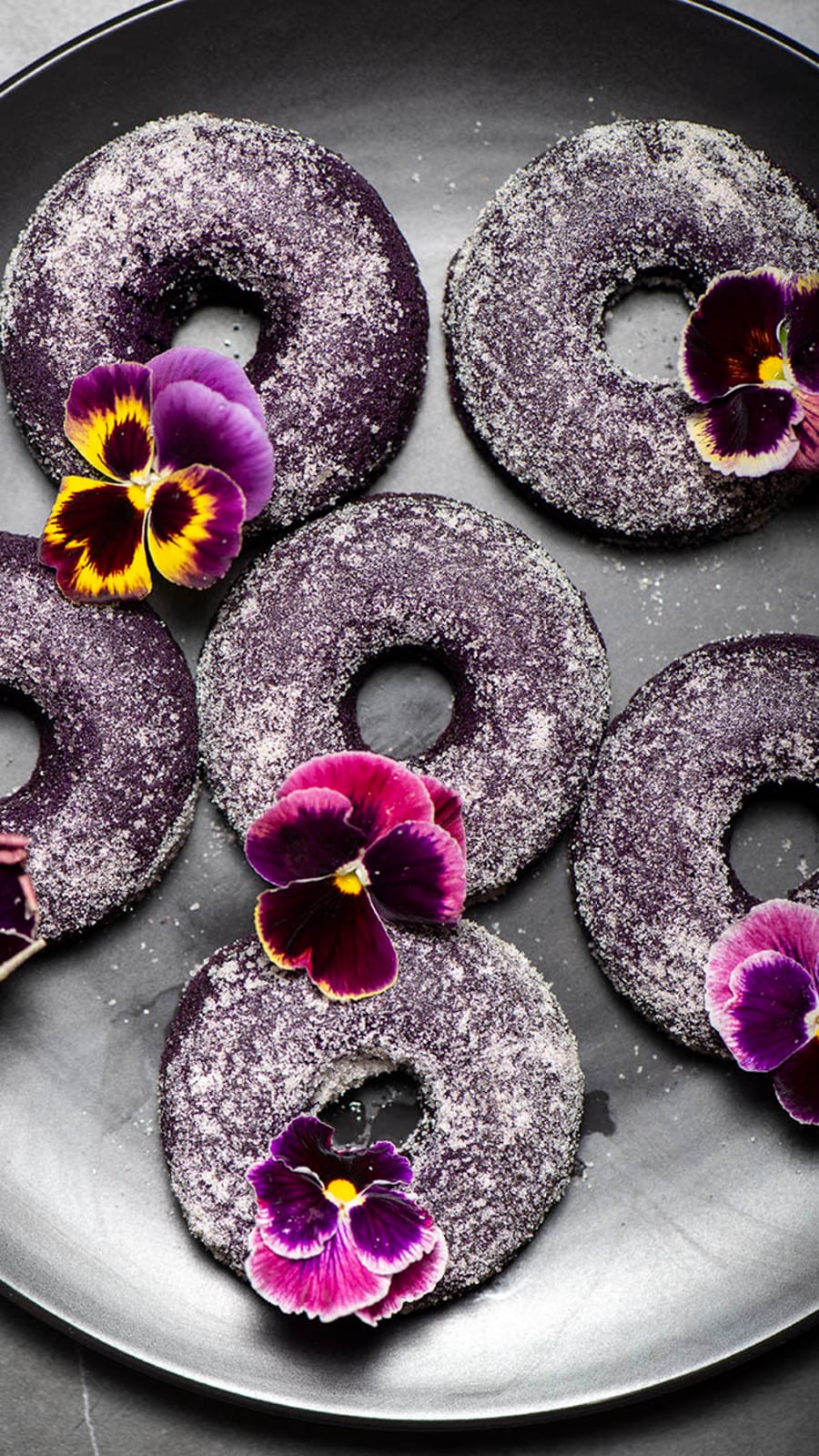
Ube’s popularity has spread far beyond the Philippines, making its way into cheesecakes in the United Kingdom, lattes in Paris and doughnuts in New York — echoing the global demand for matcha, quinoa or chia.
But what happens when a humble crop goes global? The story of ube reveals the complex ripple effects of a food trend gone viral.
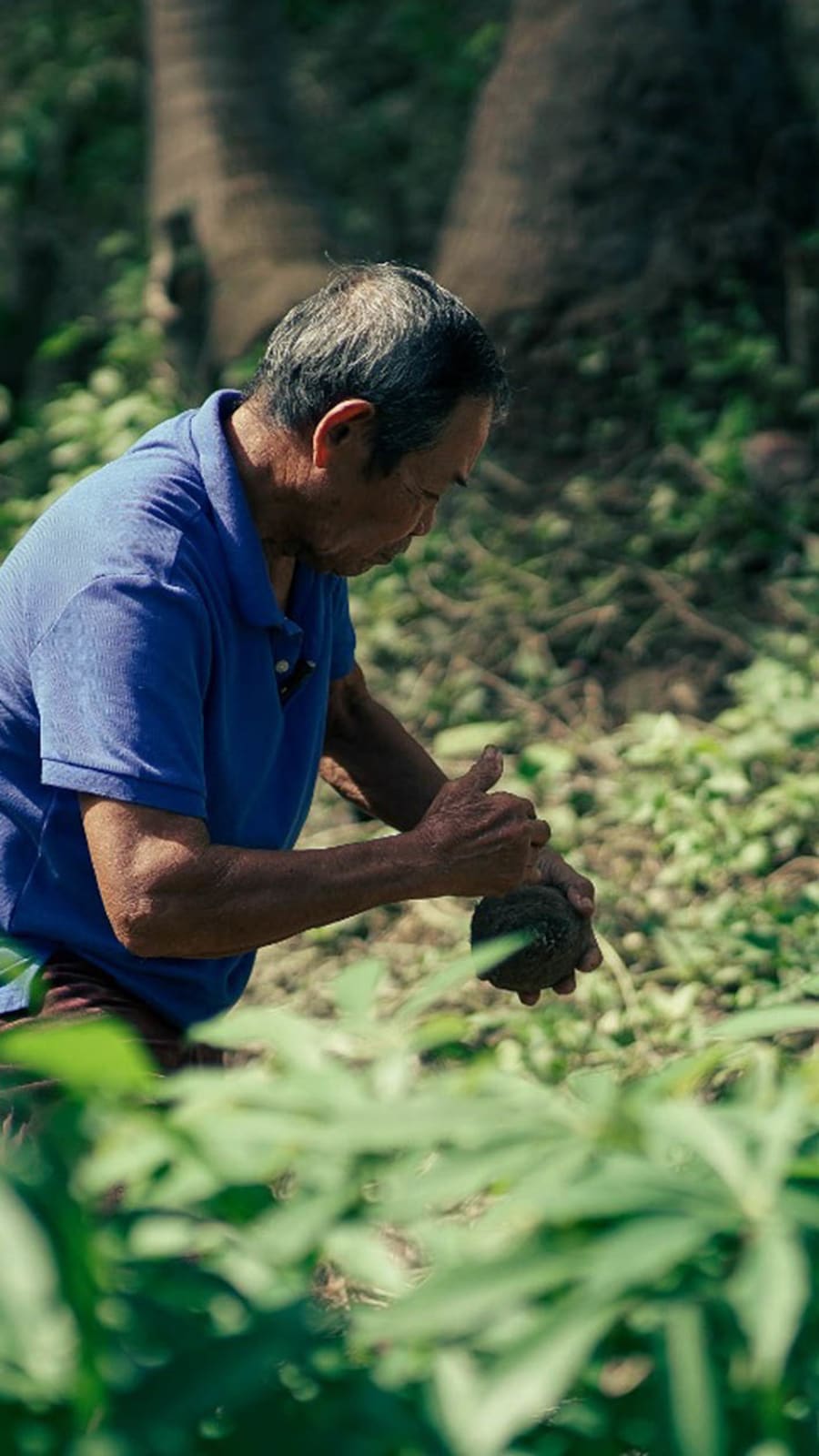
While demand surges, ube farmers face long growing cycles, labour-intensive work and limited land – making it hard to scale up quickly or safely.
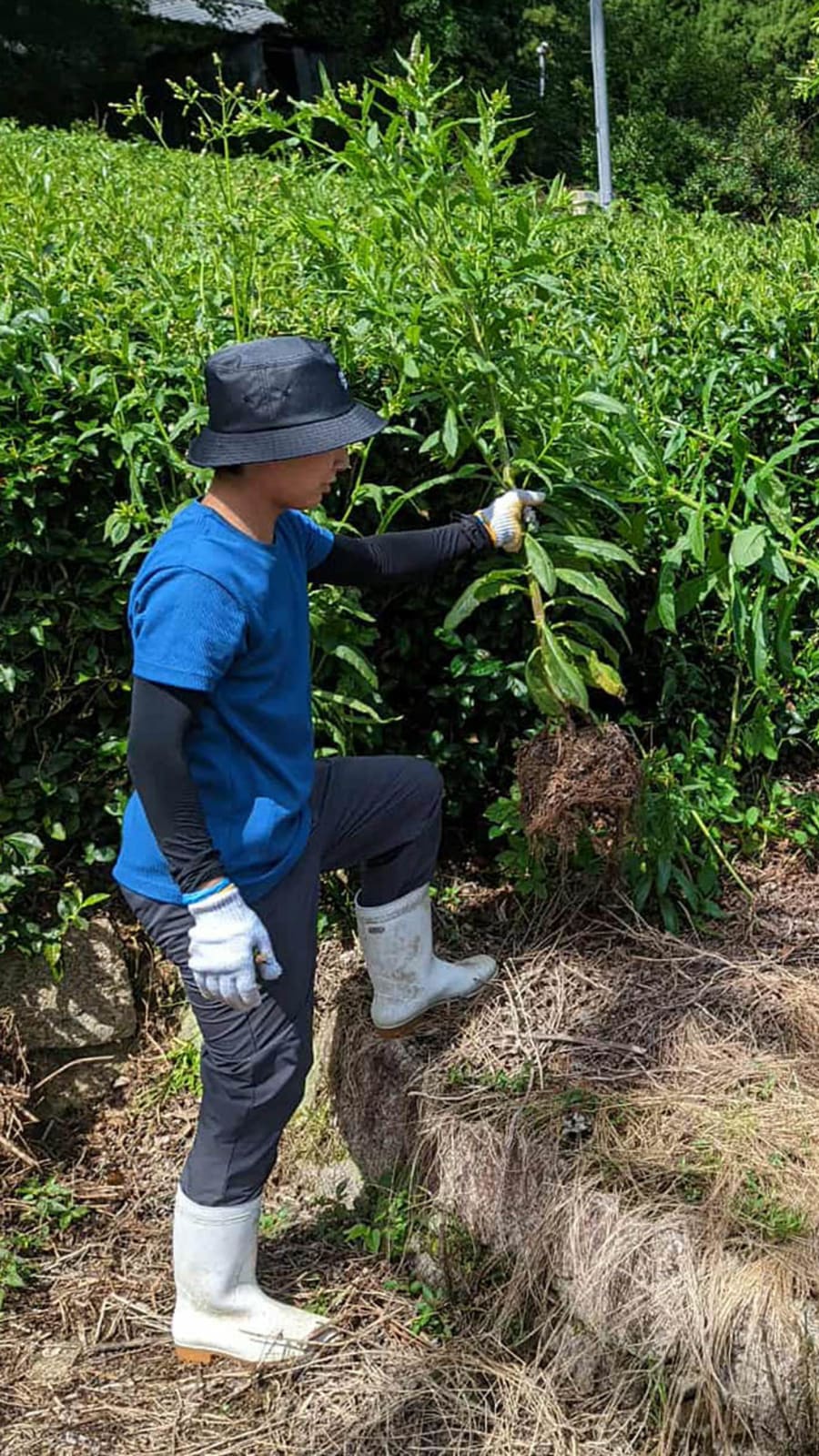
Matcha farmers in Japan face a similar squeeze. Scaling up compromises quality, and production cannot simply be increased without long-term risks.
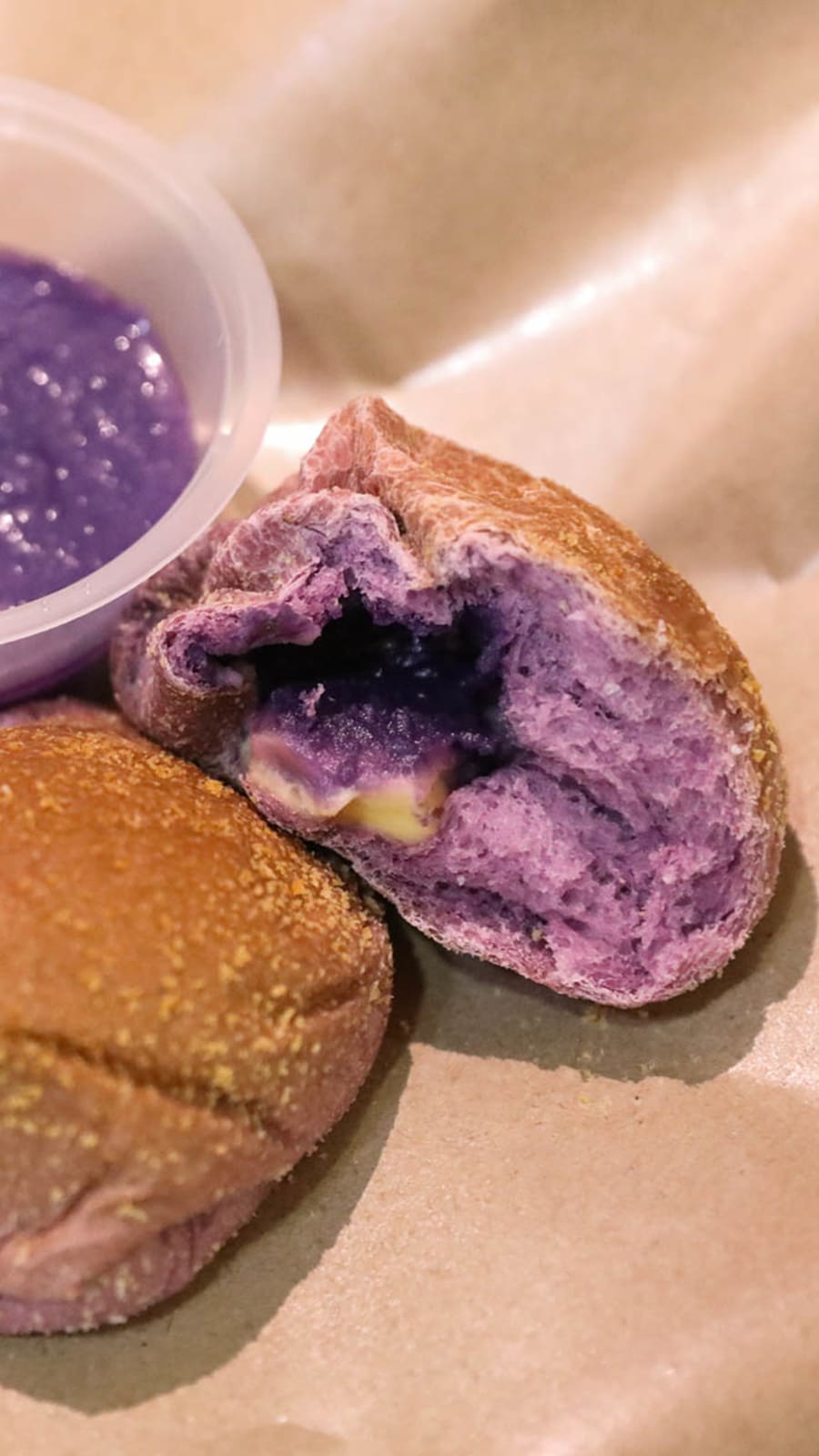
For some people who grew up with these foods, watching them become global phenomena has been both affirming and disorienting.