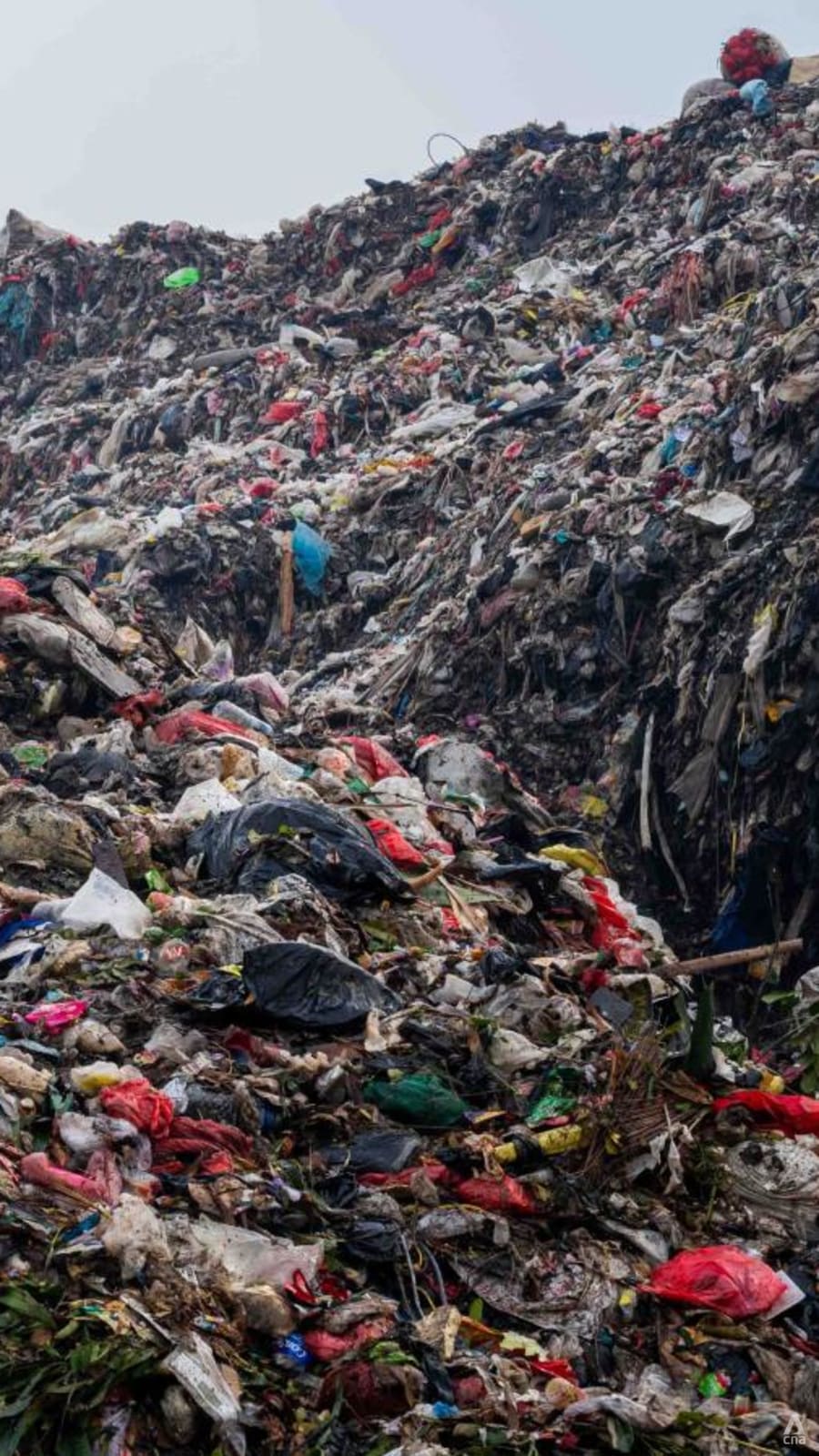
Indonesia grapples with ‘ticking time bomb’ of waste crisis

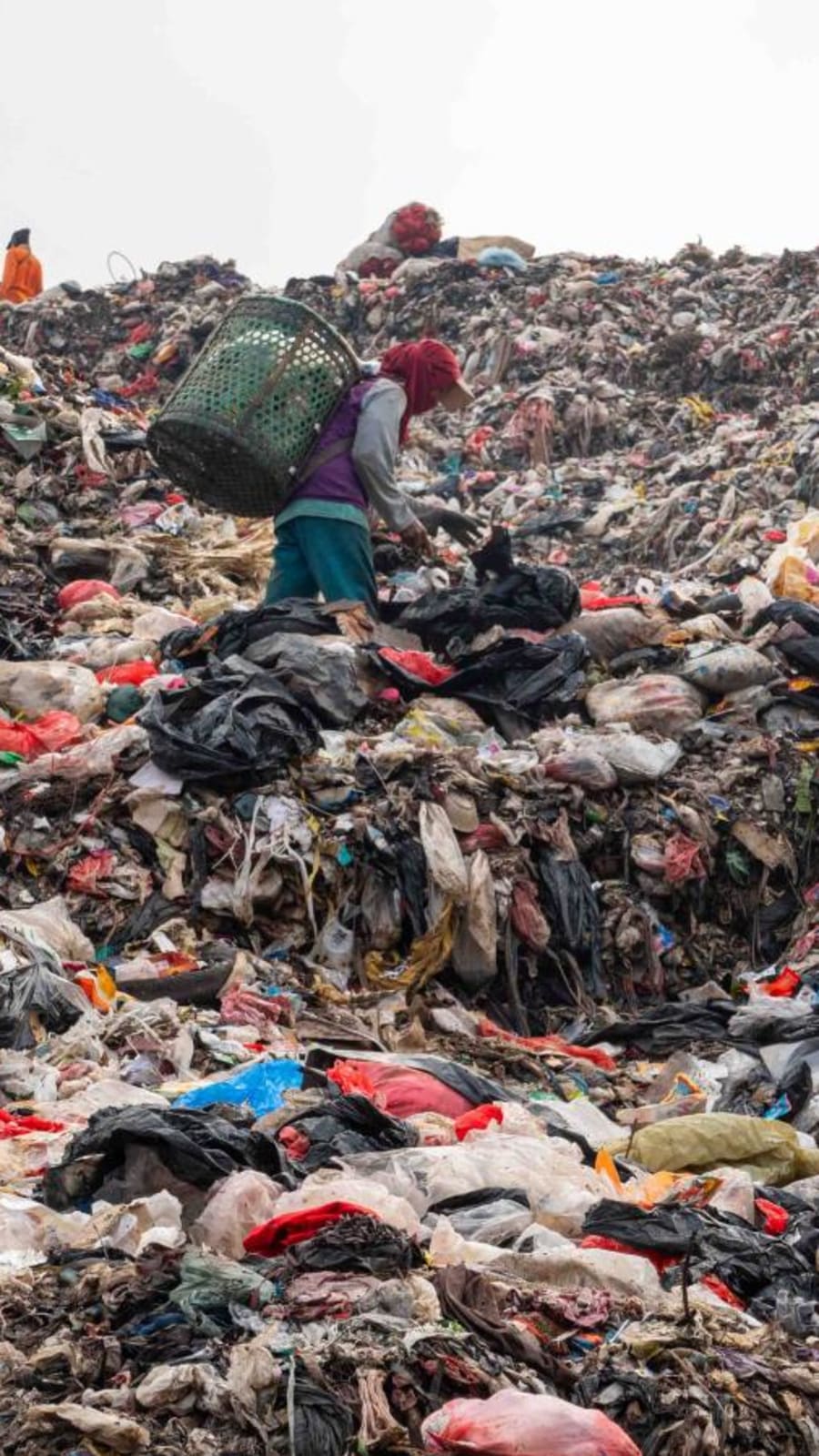
Since Apr 1, Bali residents have had to separate organic and inorganic waste.
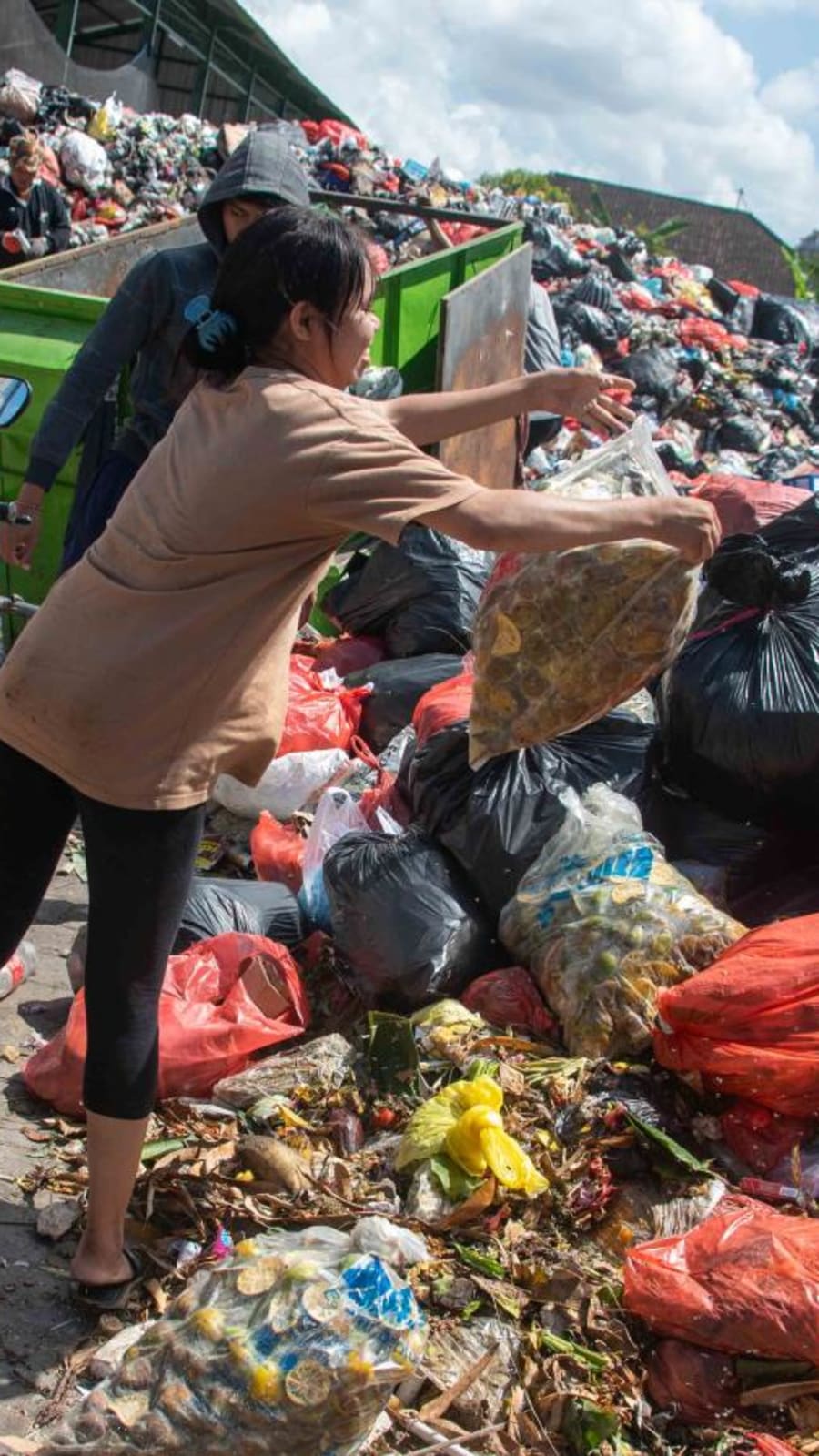
But in some neighbourhoods, confusion about the new regulation has led residents to burn or dump their waste onto sidewalks.
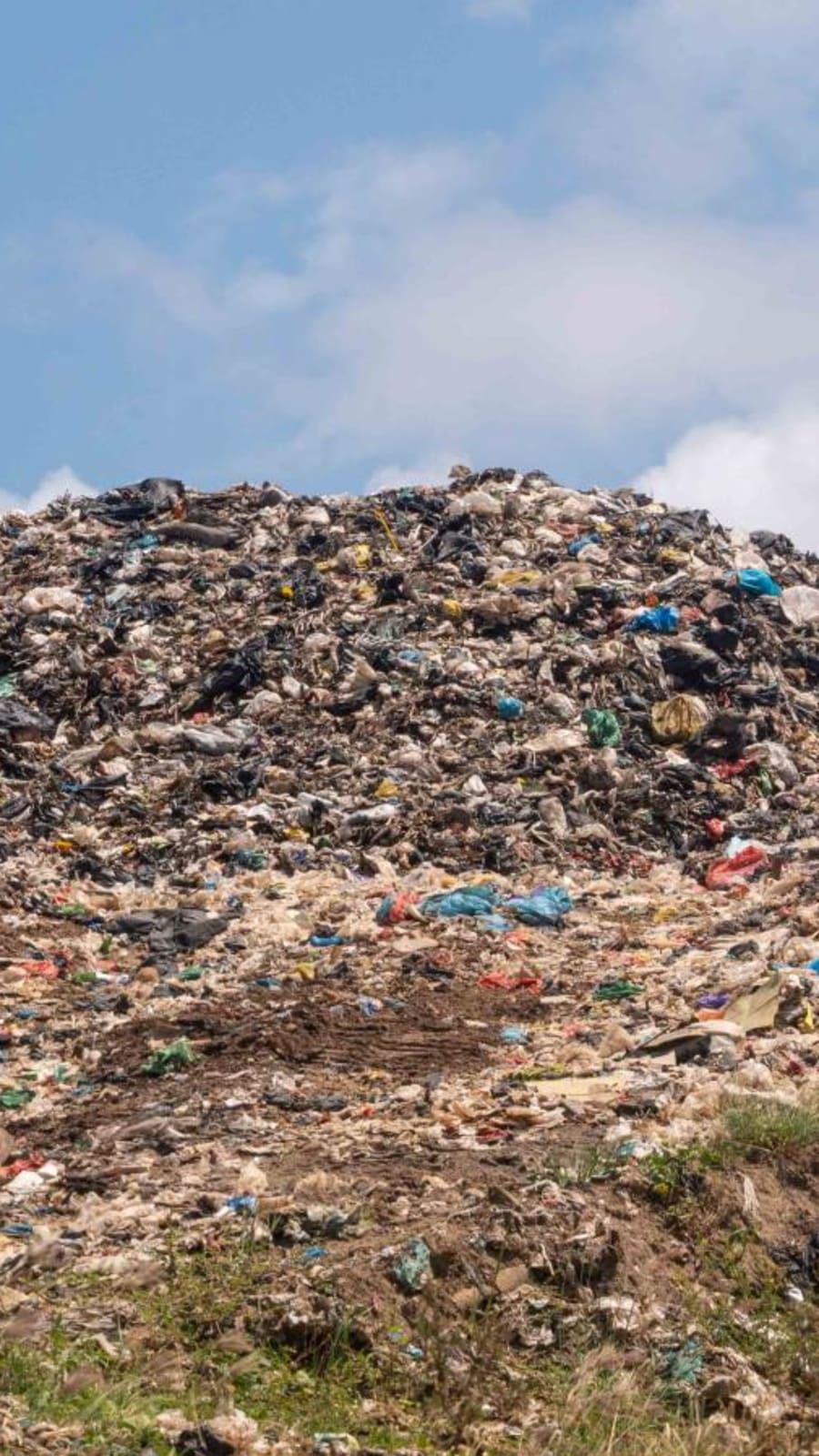
For decades, open dumping and reliance on landfills have been the main ways to manage waste in Indonesia.
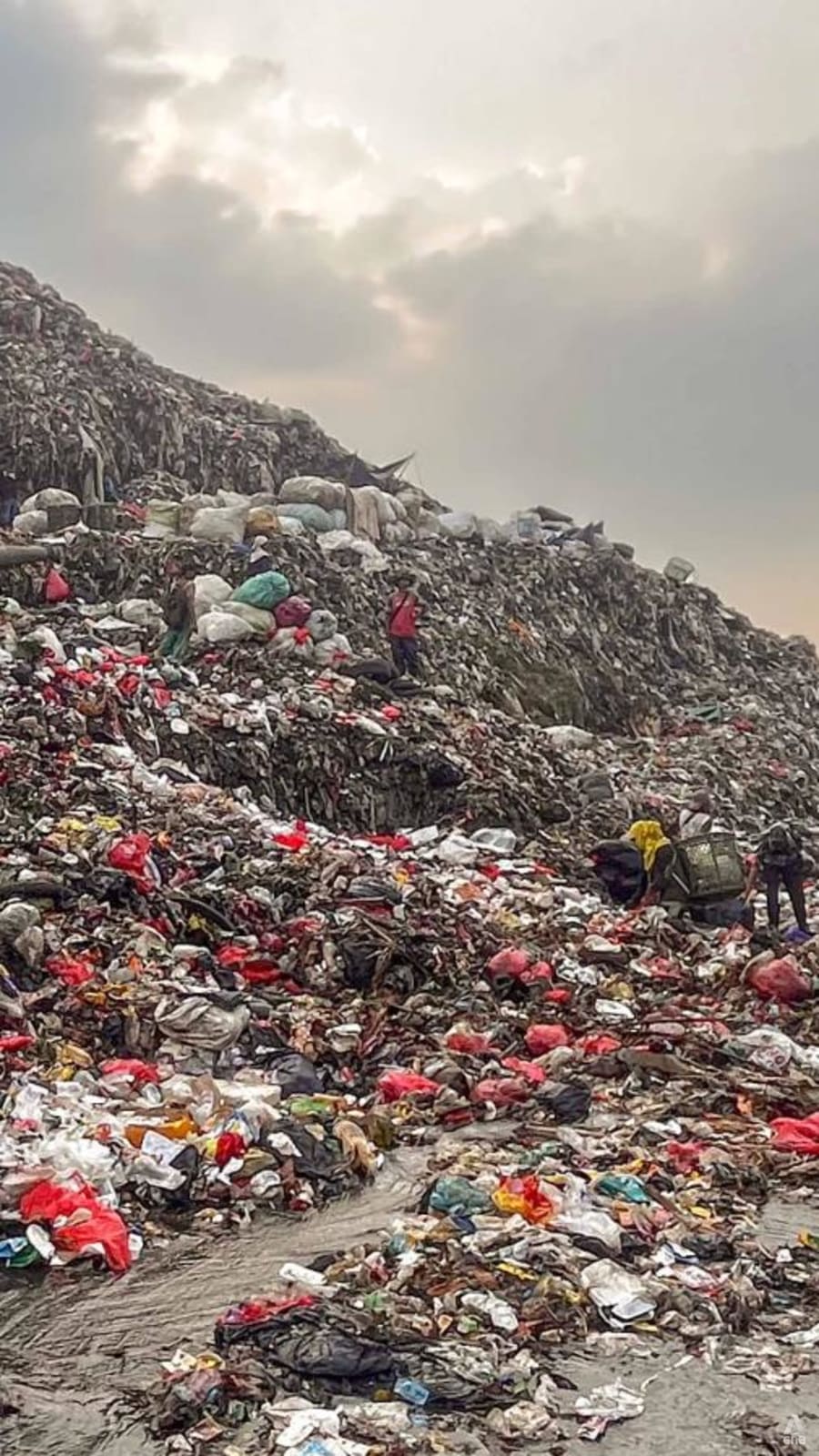
Indonesia banned open landfills in 2013, but it is only now attempting to fully implement the measure.
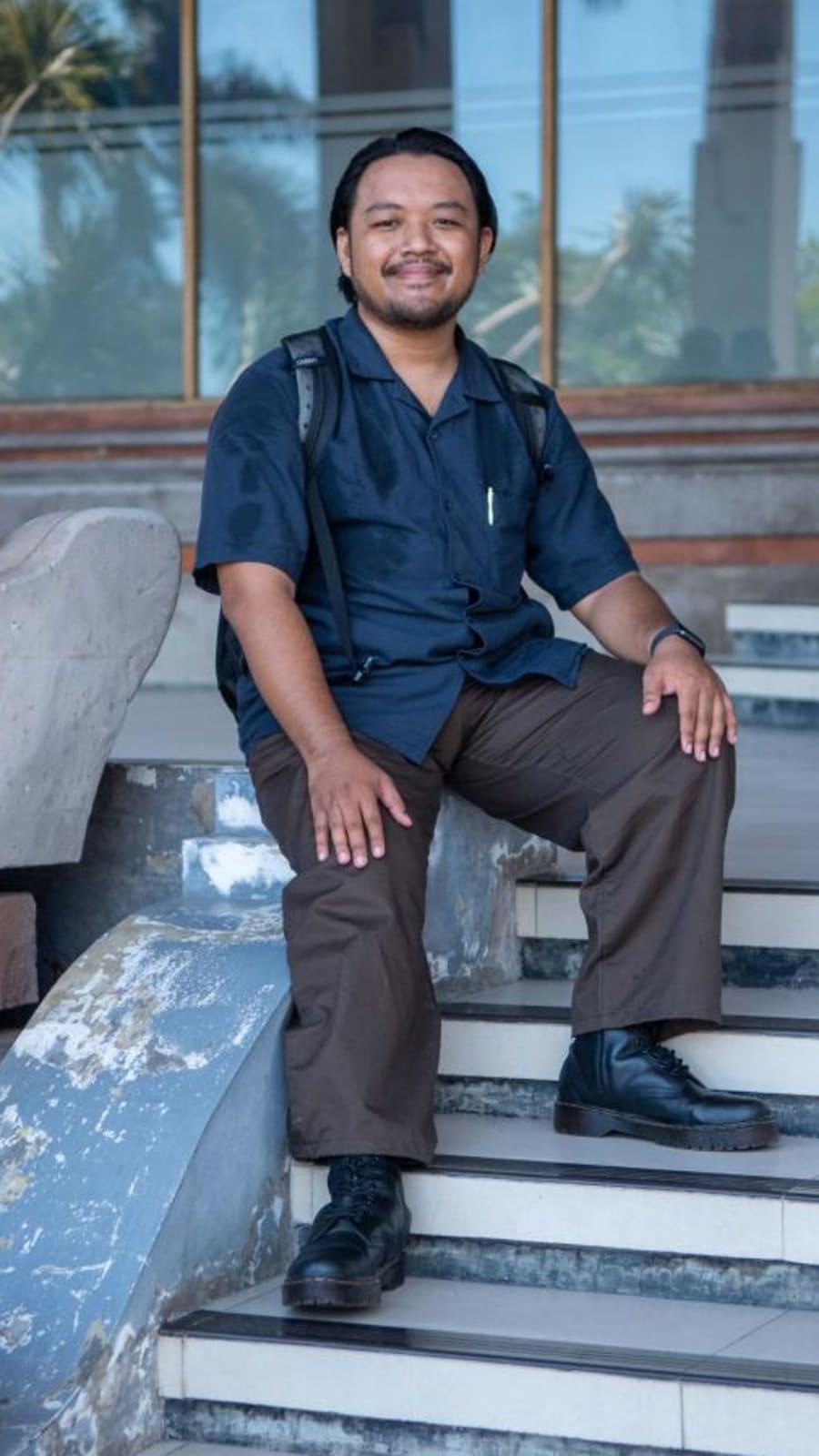
Postgraduate student Tri Sakti Hasibuan said the situation in Bali saddened him. “Because all parties are washing their hands of the matter. The government says waste should be managed by the people.”
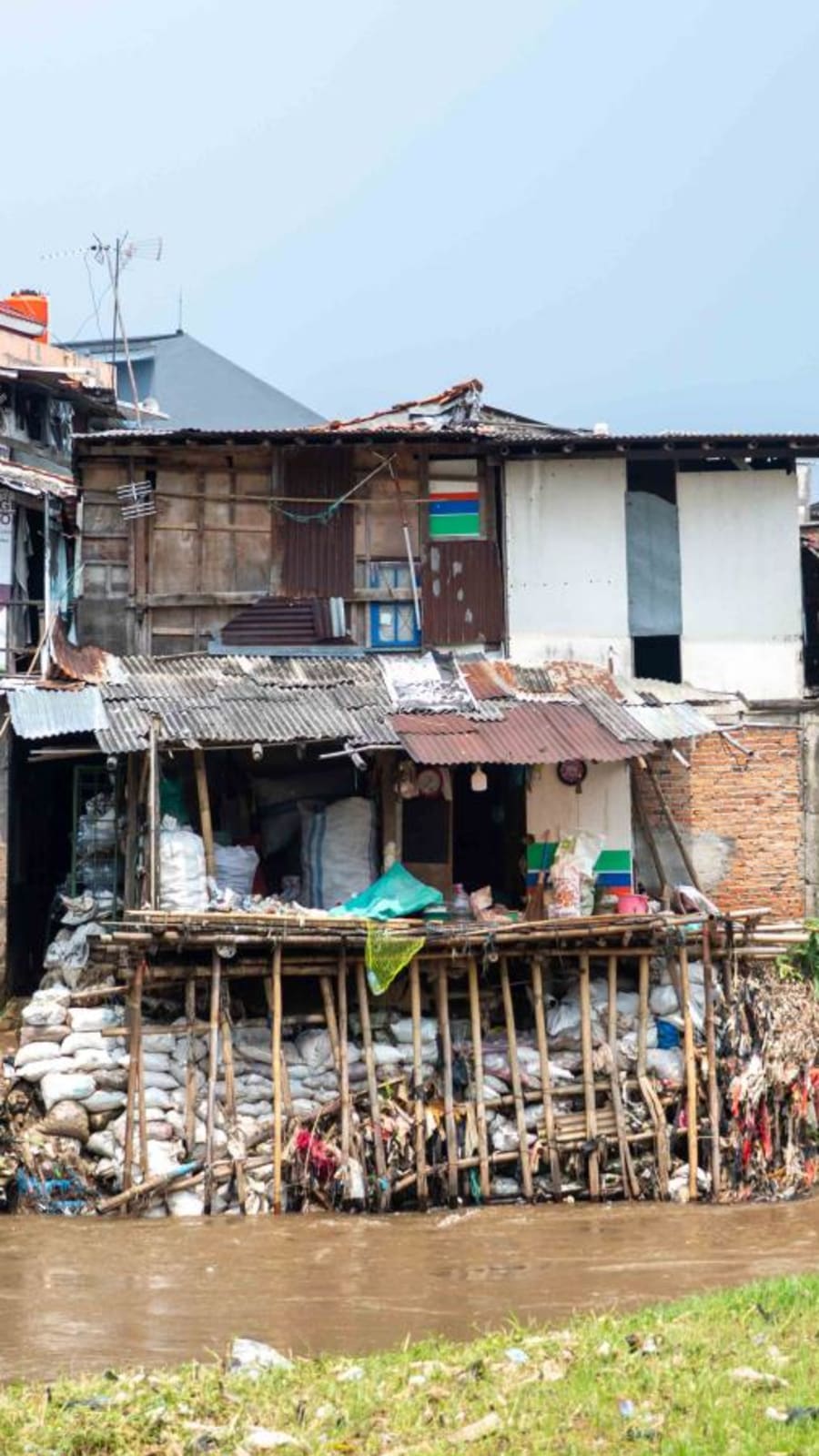
Indonesia’s capital Jakarta also has a waste problem, as seen in the Ciliwung river.
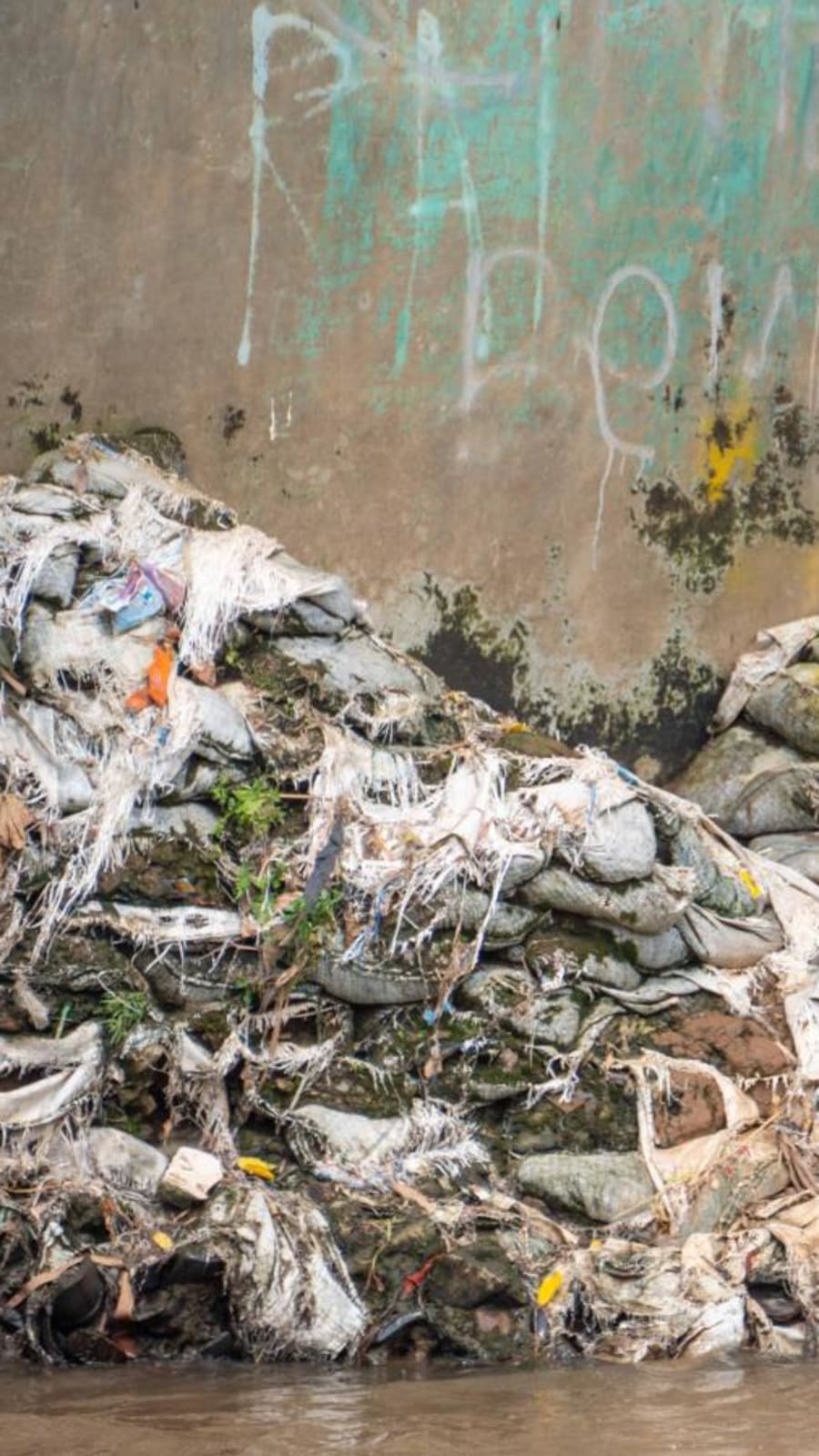
A resident, Muna, said she usually throws her waste into the river because there are few proper bins and collection points.
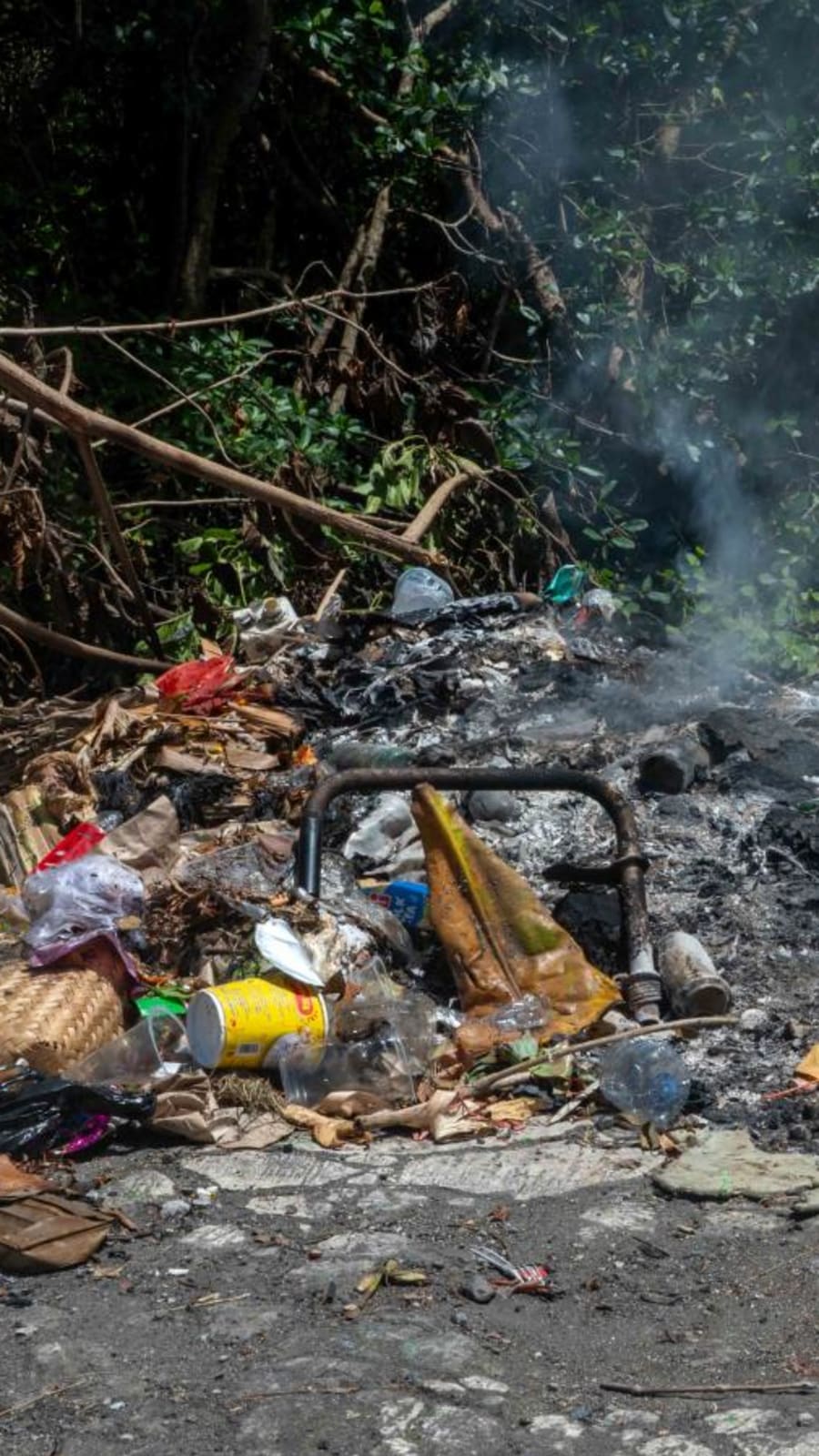
The government said Indonesia can no longer treat waste as a local housekeeping issue. It is leaning heavily on waste-to-energy programmes, but experts say that should not be the only solution.
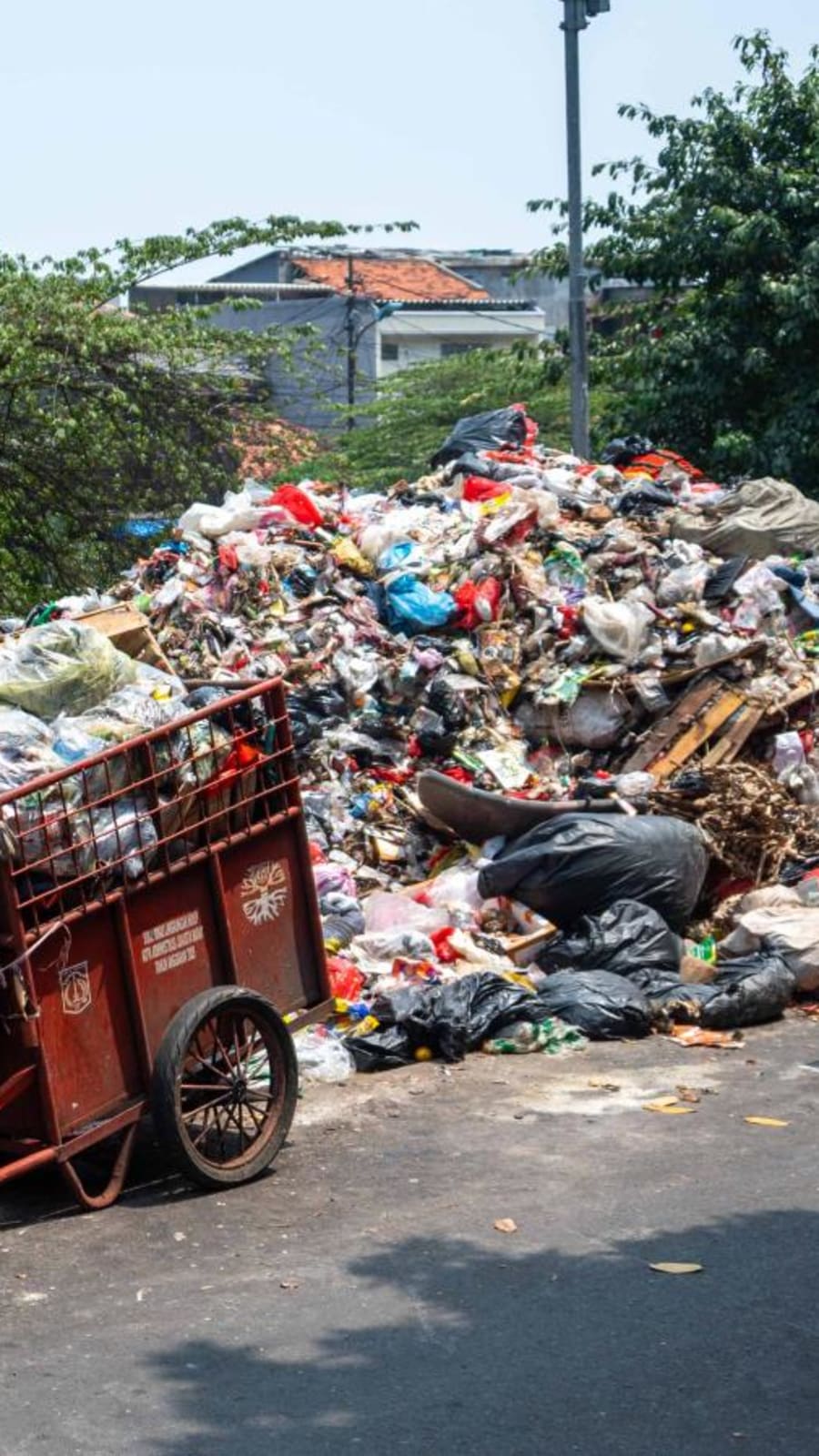
Ibar Akbar, a campaigner at Greenpeace Indonesia, said the government should focus on waste sorting programmes.