‘It's detective work’: Finding and counting Singapore’s otters

‘It's detective work’: Finding and counting Singapore’s otters
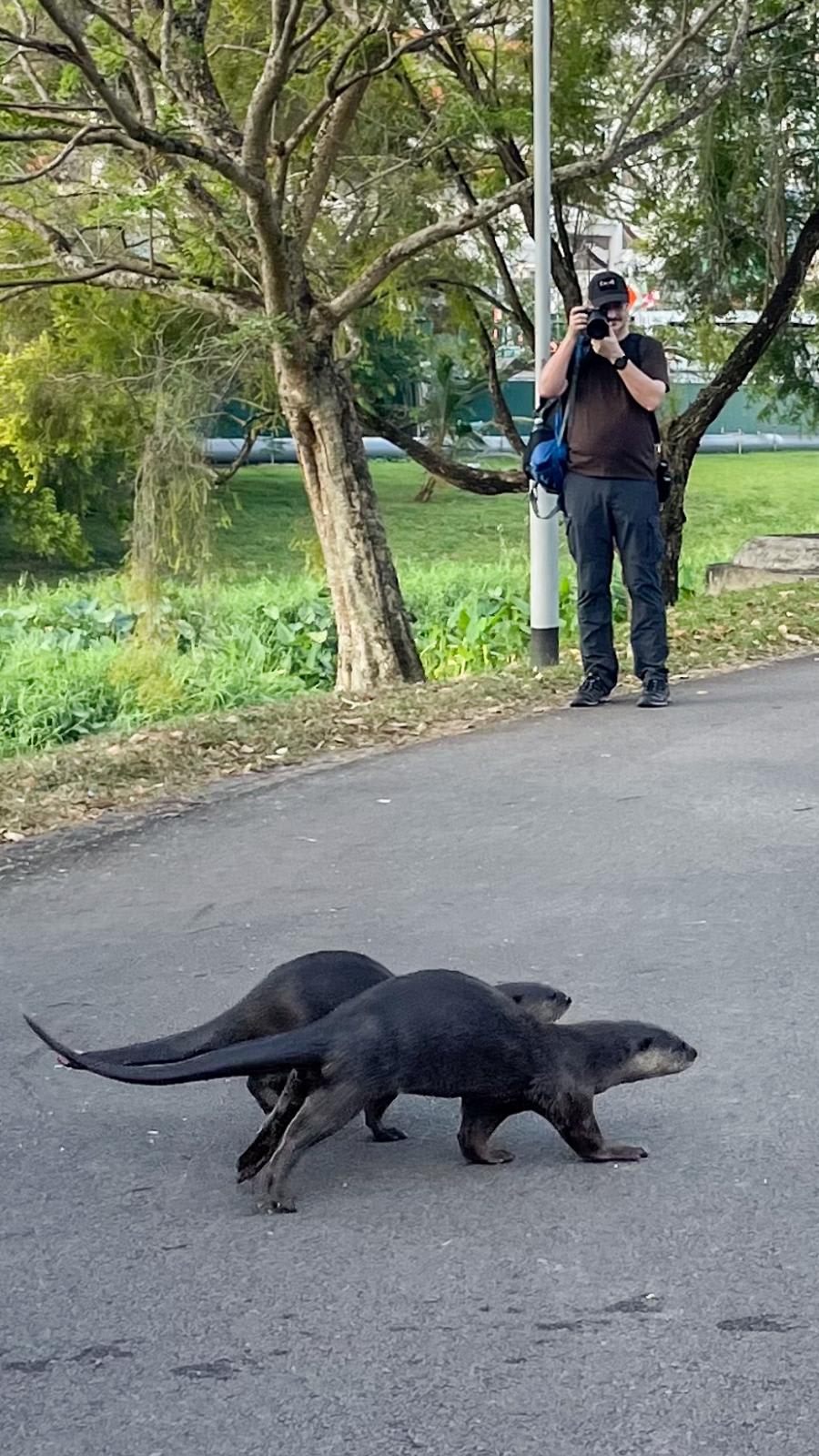
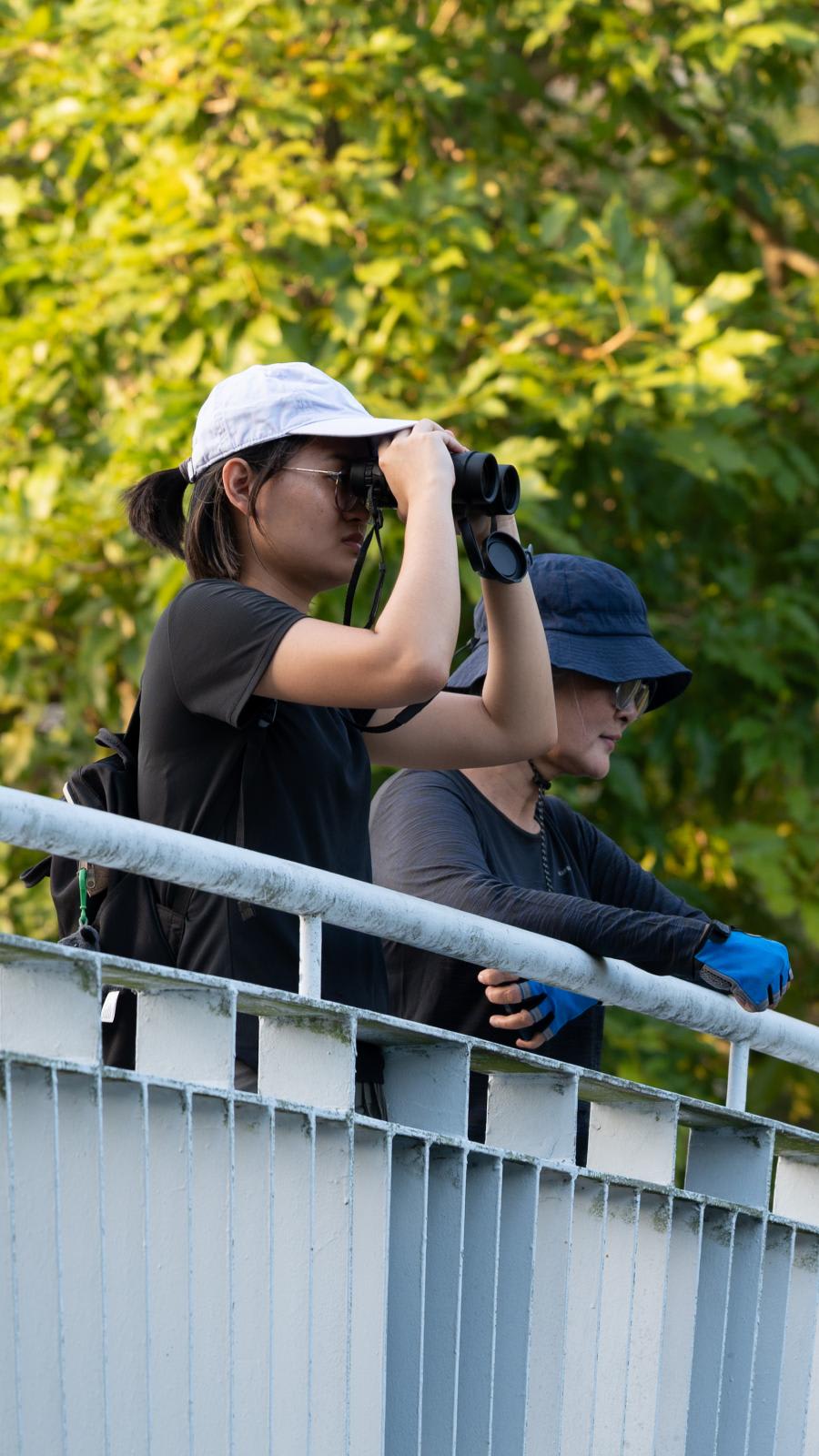
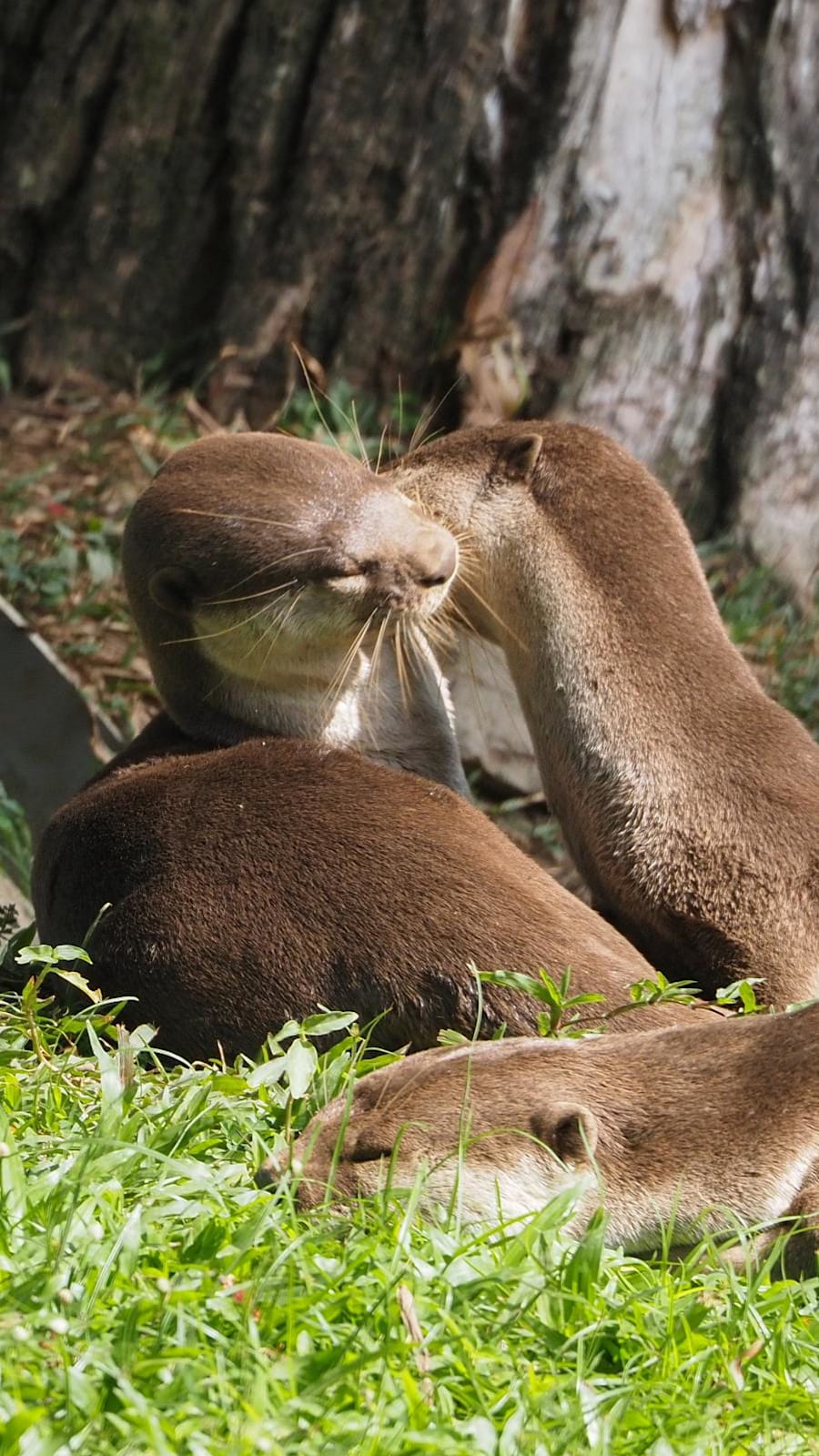
More than 20 otter watchers spent two months at parks and waterways gathering photographic evidence and noting down relevant information for Singapore’s third population census of smooth-coated otters.
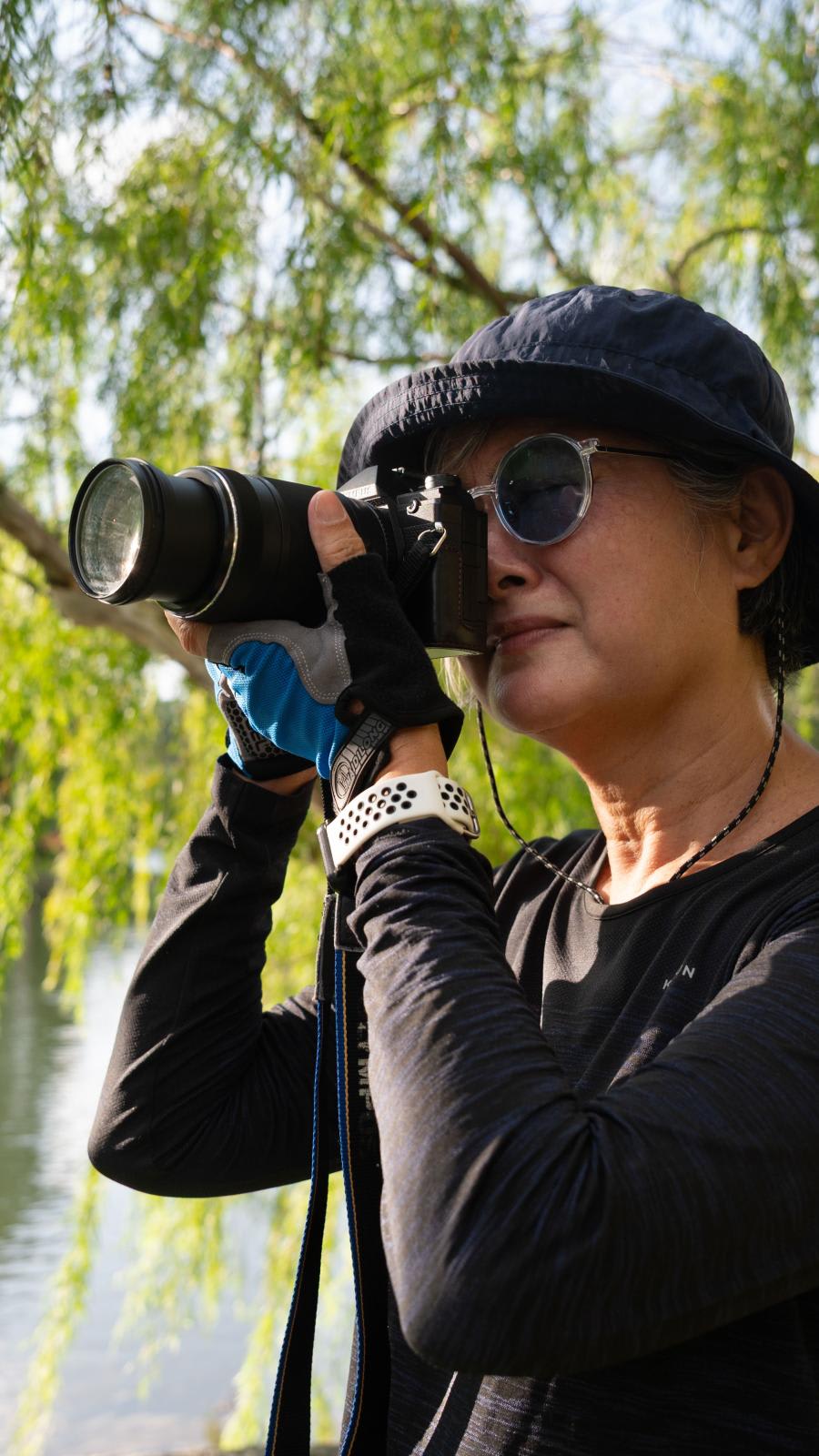
One of them is Ms Marjorie Chong, who has loved watching otters since 2017. She once spent about 400 hours looking for otters over two months.
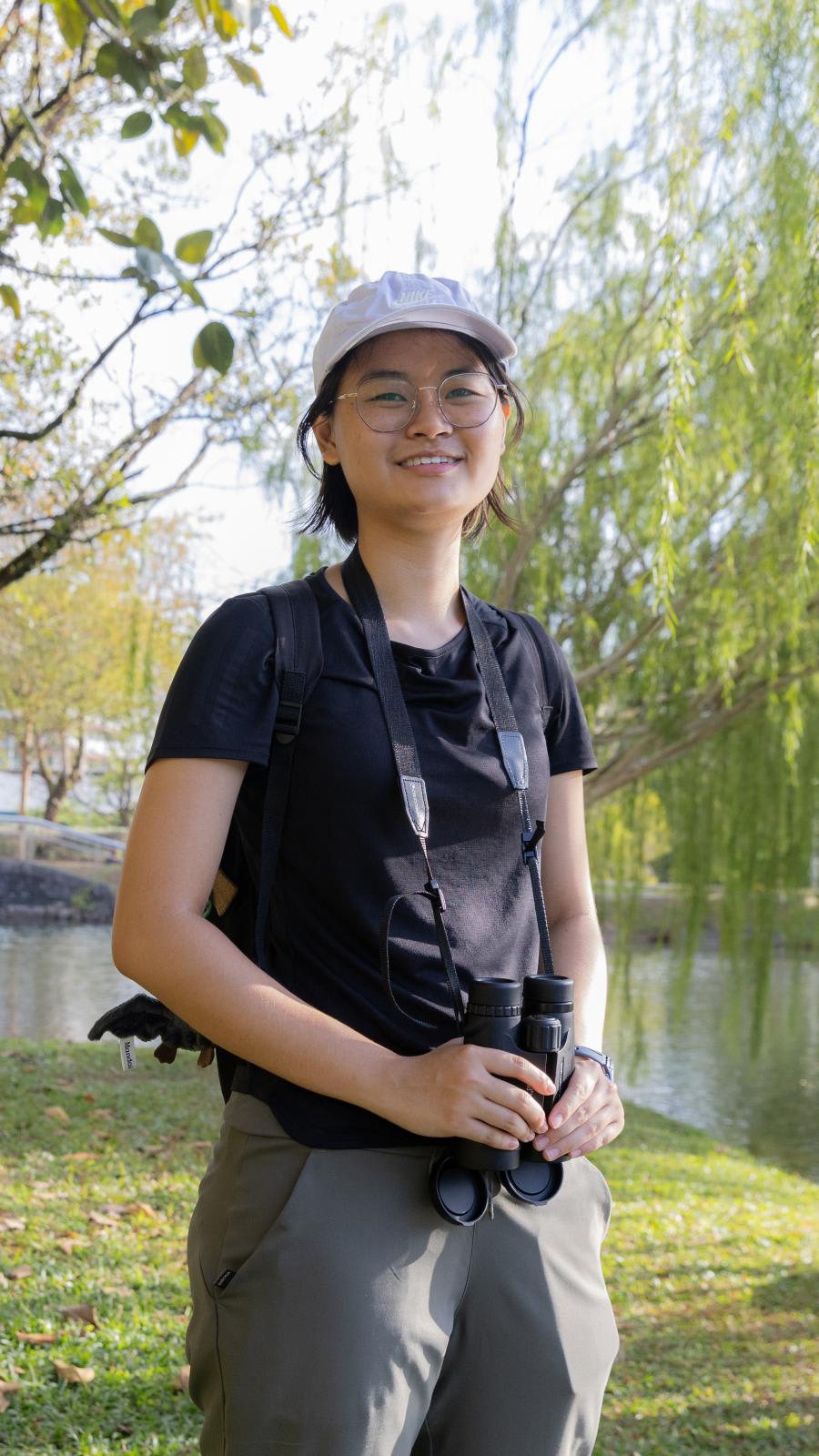
Ms Michelle Tan, who completed the census as part of her NUS life sciences final-year project in April 2025, joined Ms Chong at Bishan-Ang Mo Kio Park on Feb 2, 2026. That day, they found only fresh spraint – otter faeces.
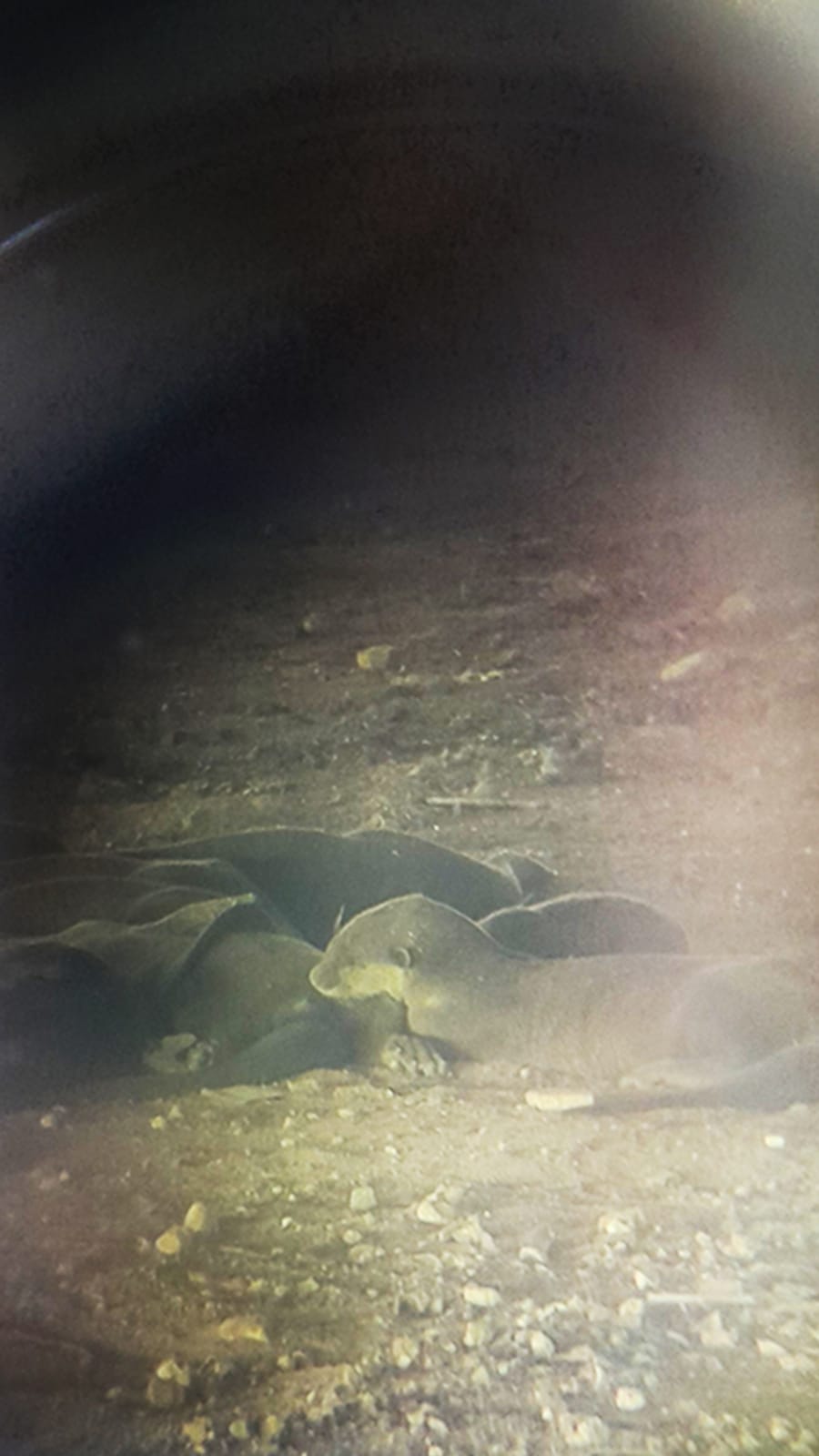
During the census, a “strong smell of spraint” at Changi Bay Point led Ms Tan to an elusive otter family. Looking through her binoculars into a narrow space under a road, she found them waking from their afternoon nap.
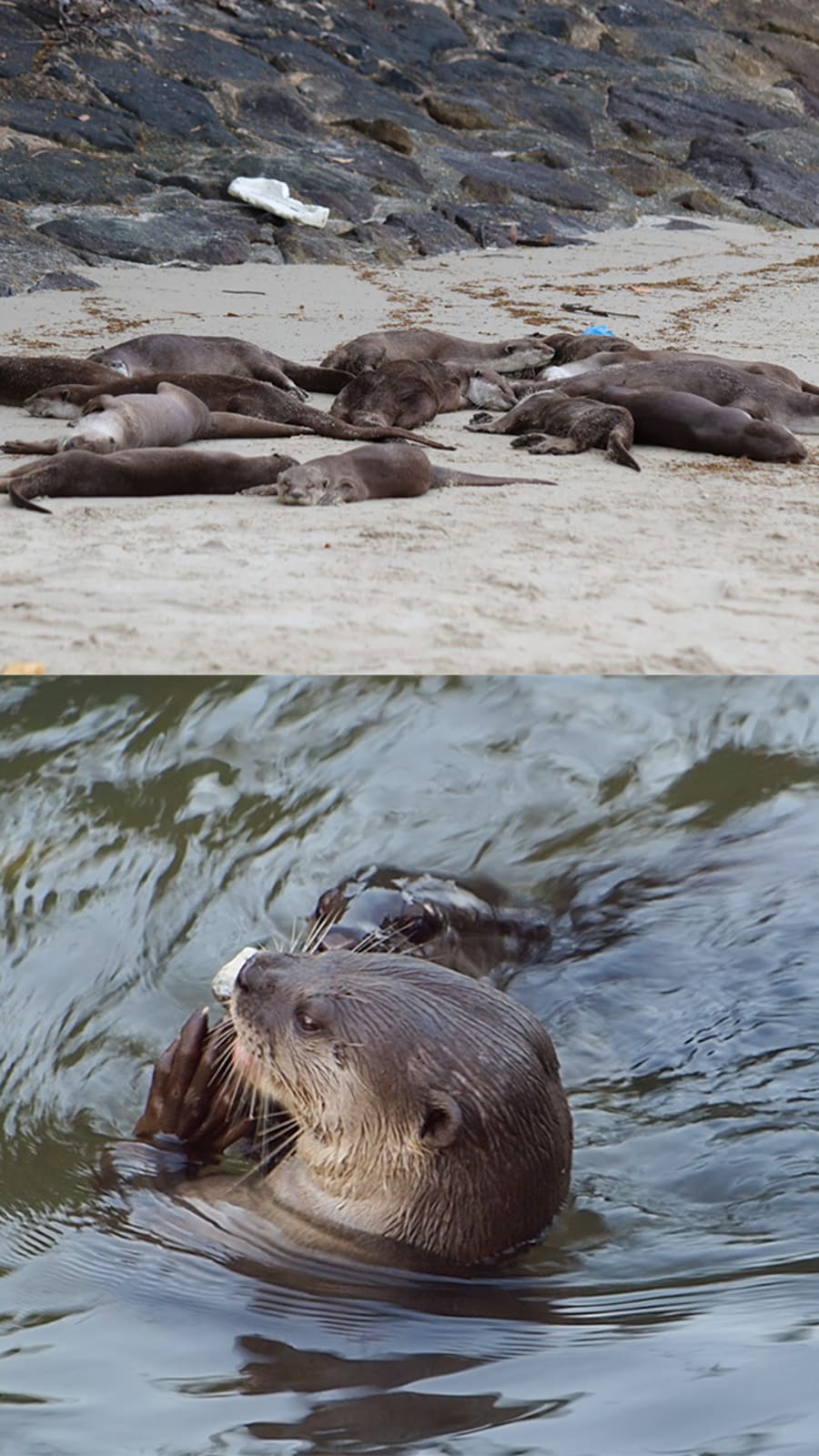
For otters to be counted, there must be clear photo or video evidence – they need to come up on land first because numbers in the water can be misleading. Even perfect footage may be unusable if individuals swim back and forth while being filmed.

Scars, chipped teeth or other markings help identify otters. These details, along with date, time and location, ensure accurate data and prevent double-counting of the same family.