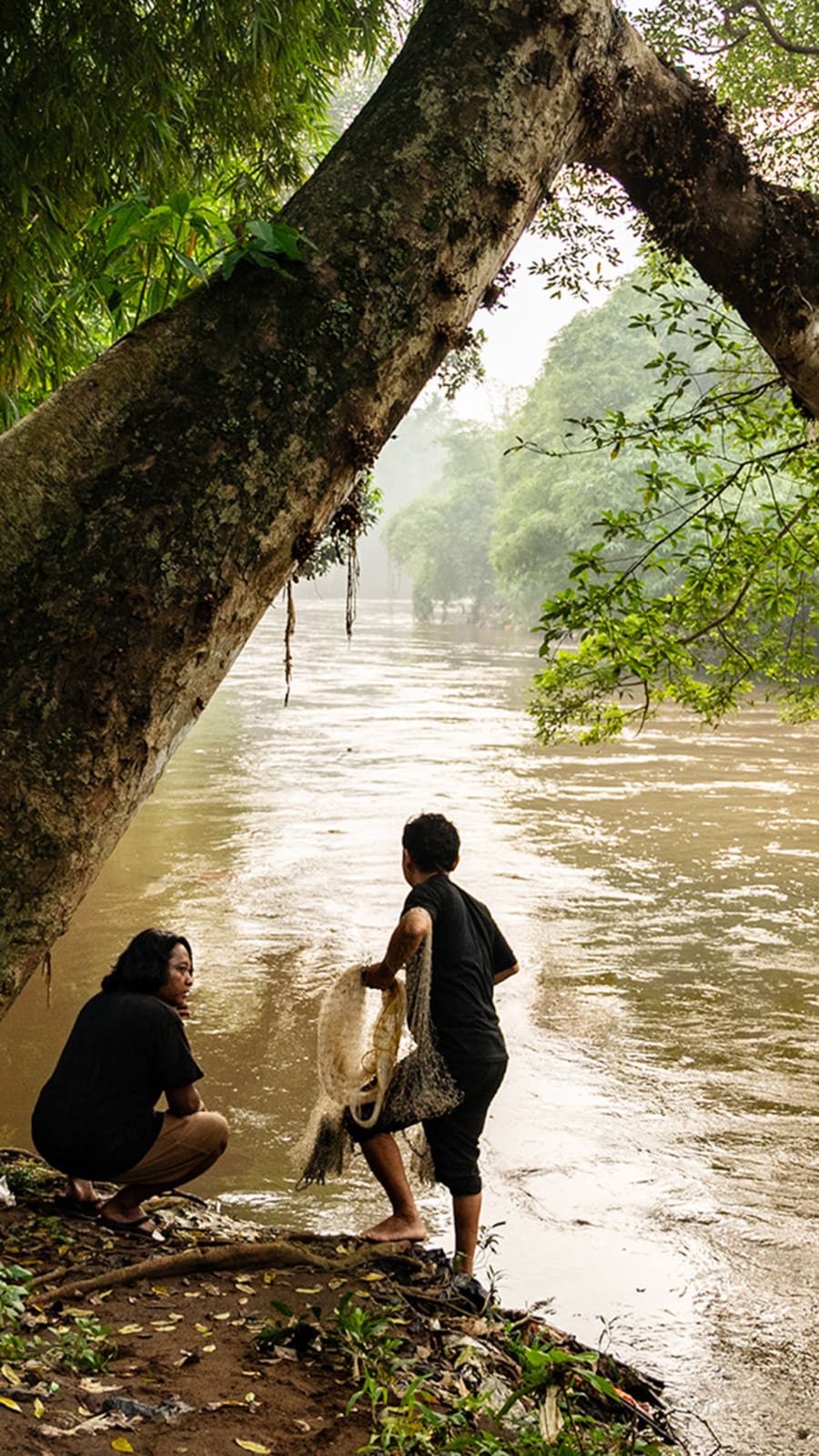
Why is it so hard for Southeast Asia to fight this invasive catfish?

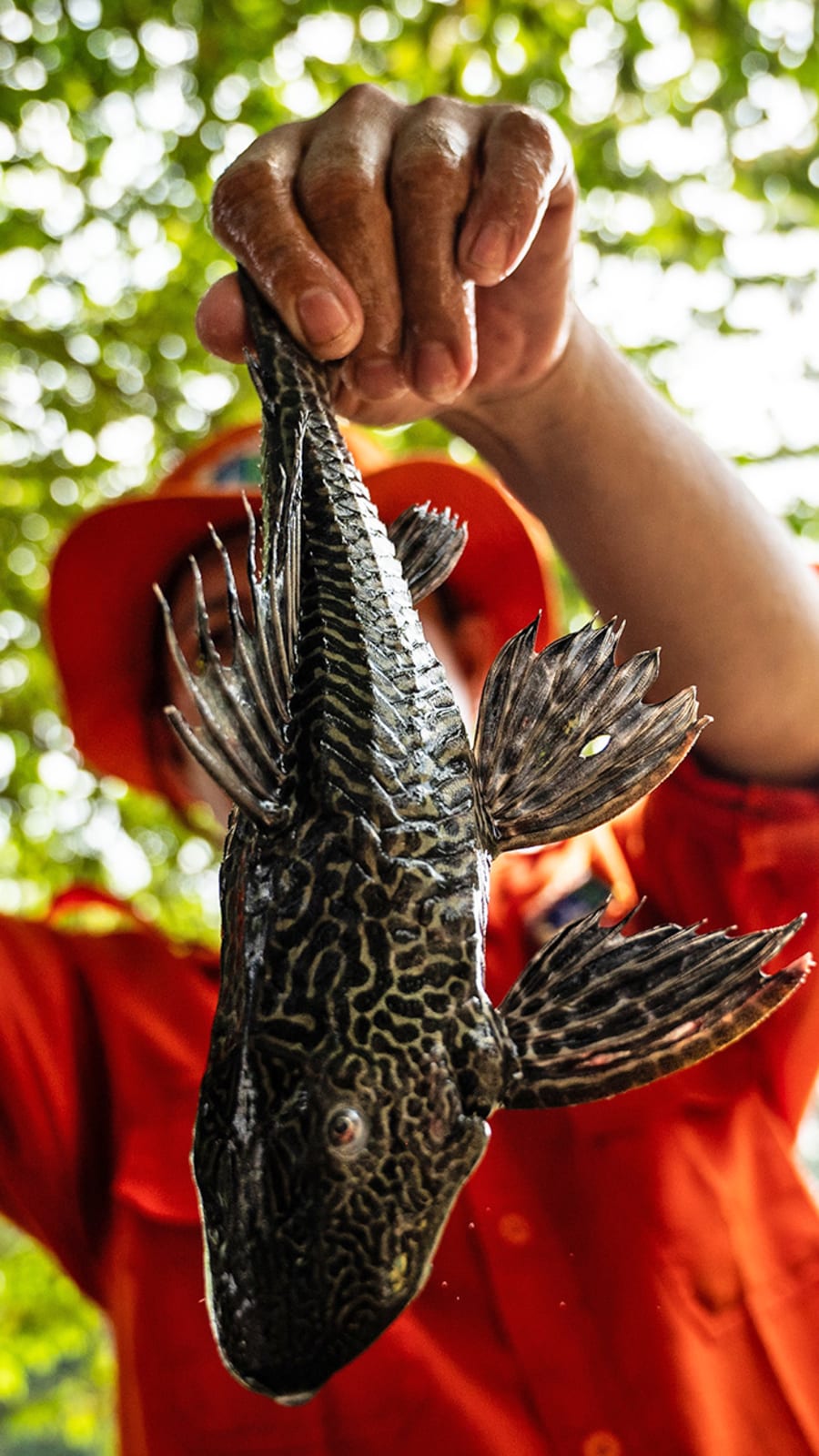
Why is it so hard for Southeast Asia to fight this invasive catfish?
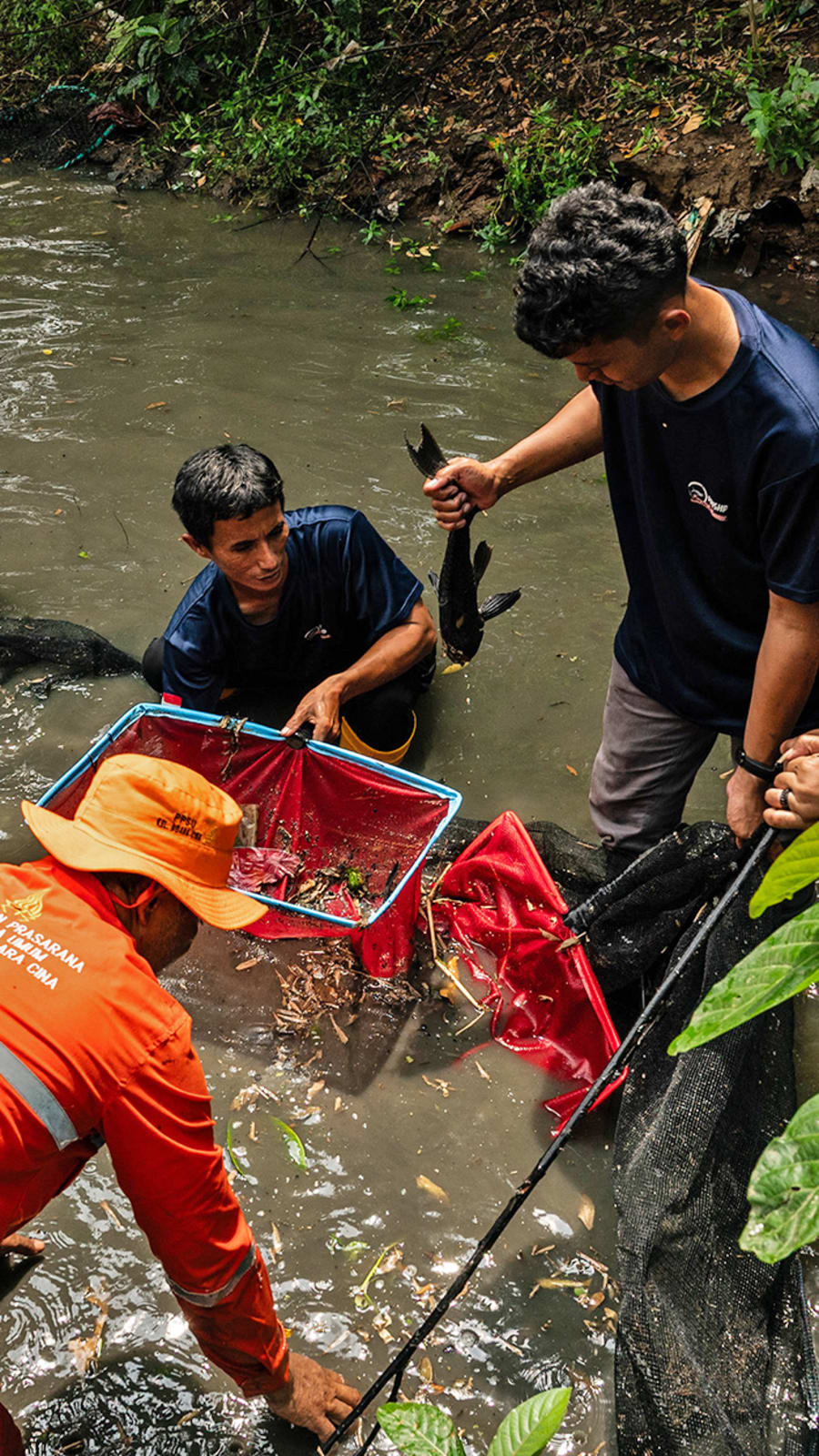
In just two hours, workers along Jakarta’s polluted Ciliwung River hauled in over 200 suckermouth catfish, a species that now dominates waterways once rich in native life.
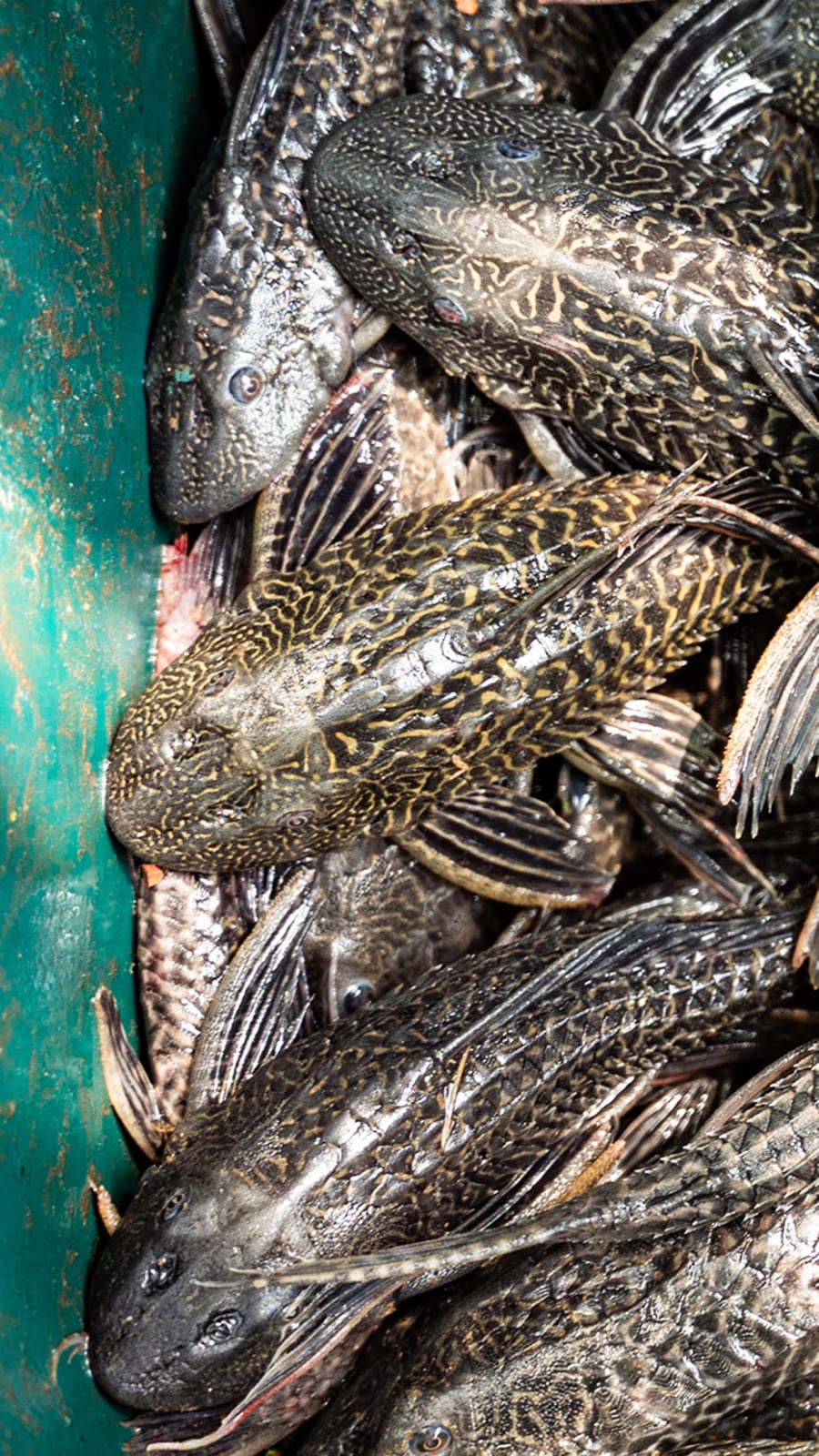
Known locally as sapu-sapu or “janitor fish”, the South American species has spread across Indonesia, Malaysia and the Philippines, crowding out native fish.
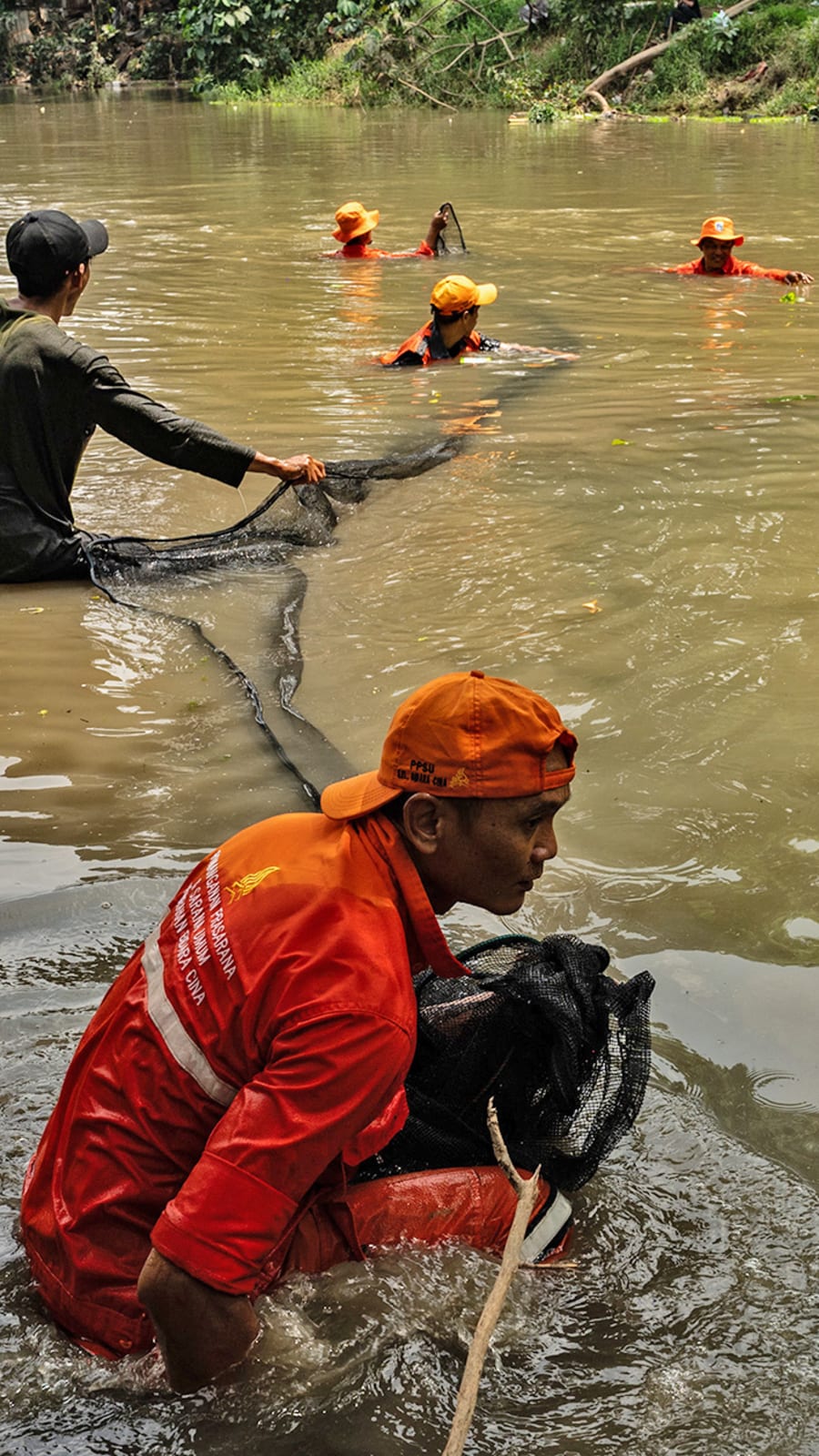
Municipal crews remove tonnes of the invasive fish in mass culls, yet experts warn these efforts offer only a temporary solution.
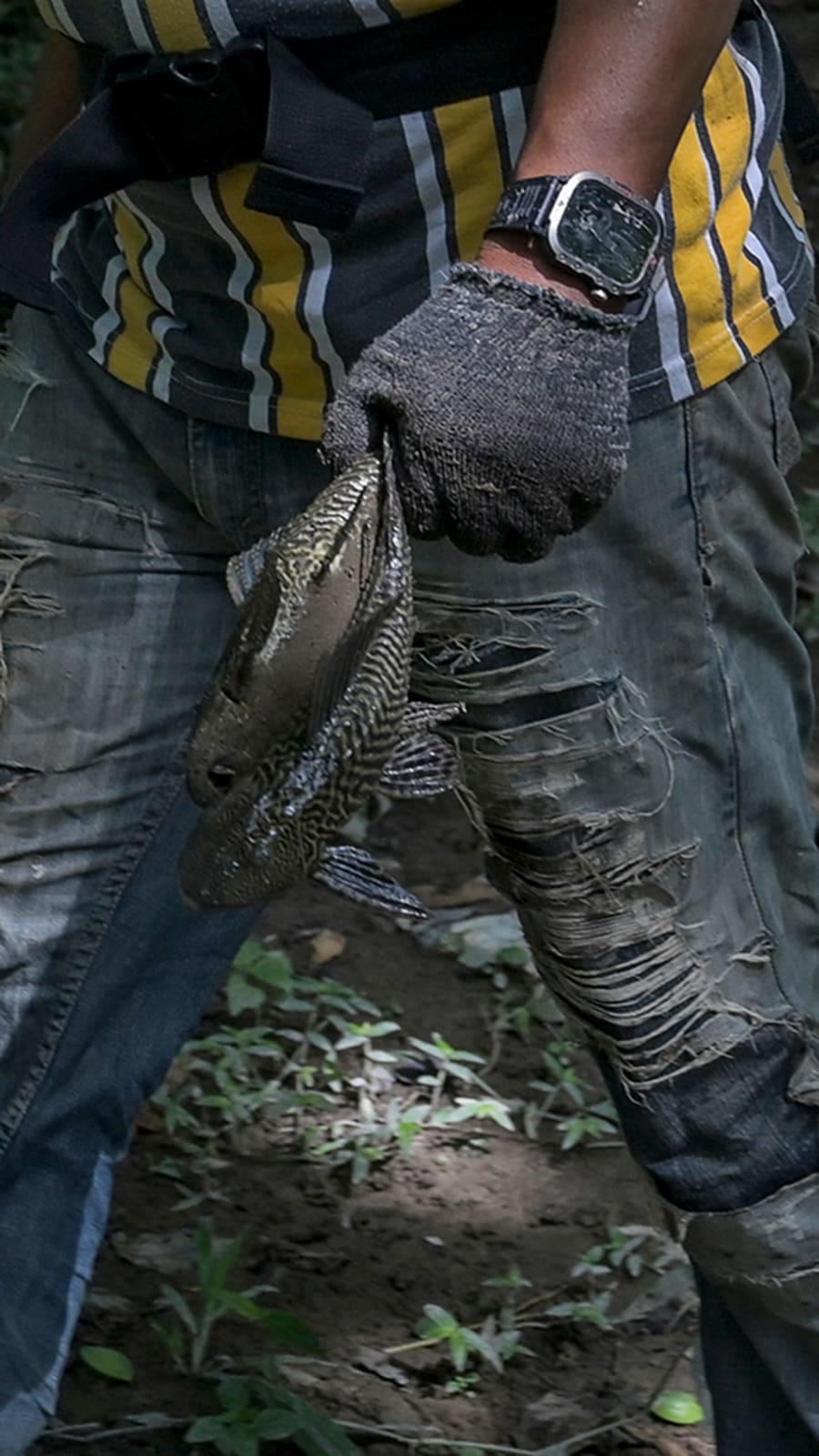
Popular with hobbyist for decades, these fish escaped nurseries during floods or were deliberately released by pet owners who no longer wanted them.
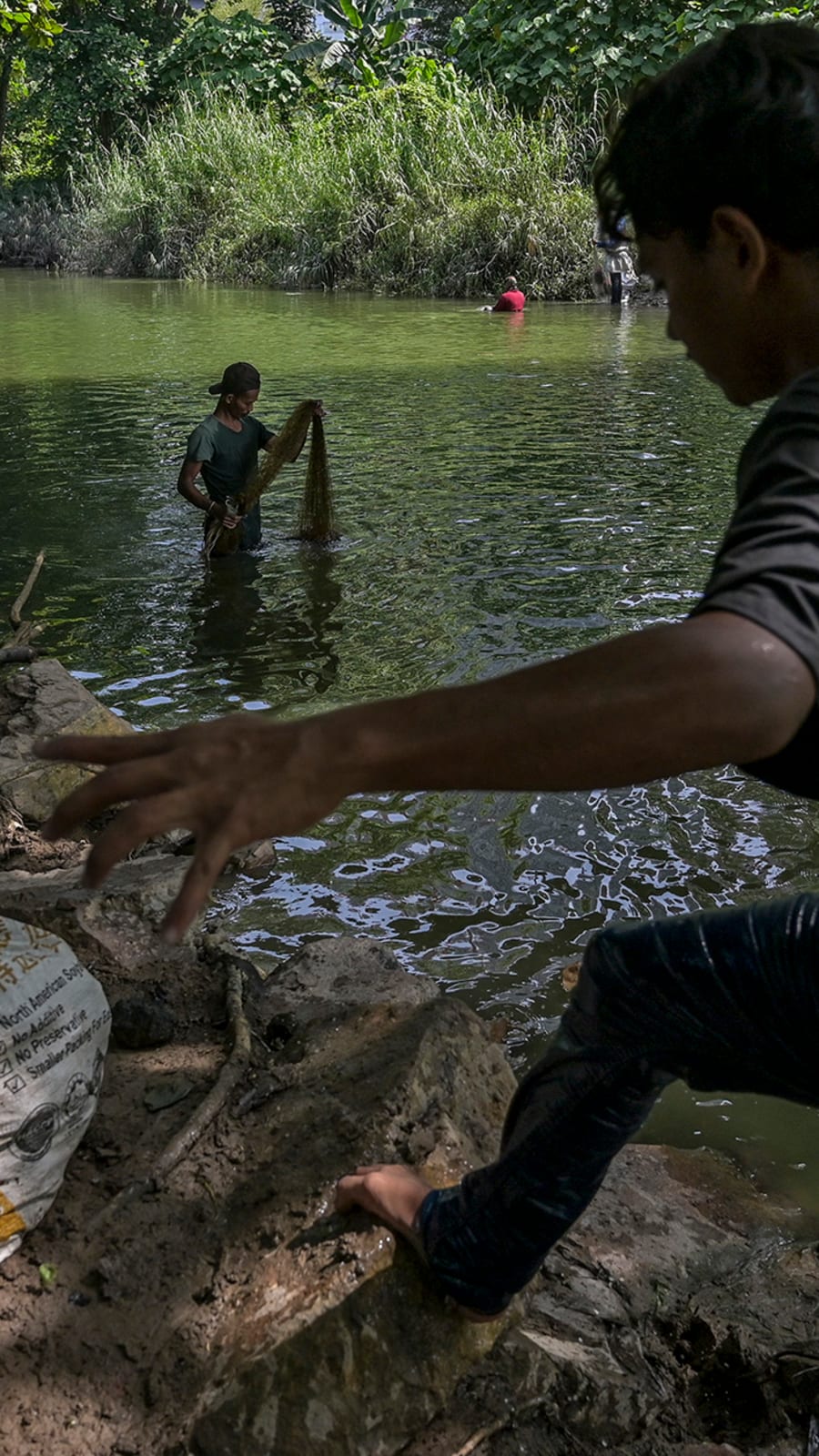
In Malaysia’s Klang Valley, volunteers join hunts almost daily, driven by concern that unchecked populations could push local species to extinction.
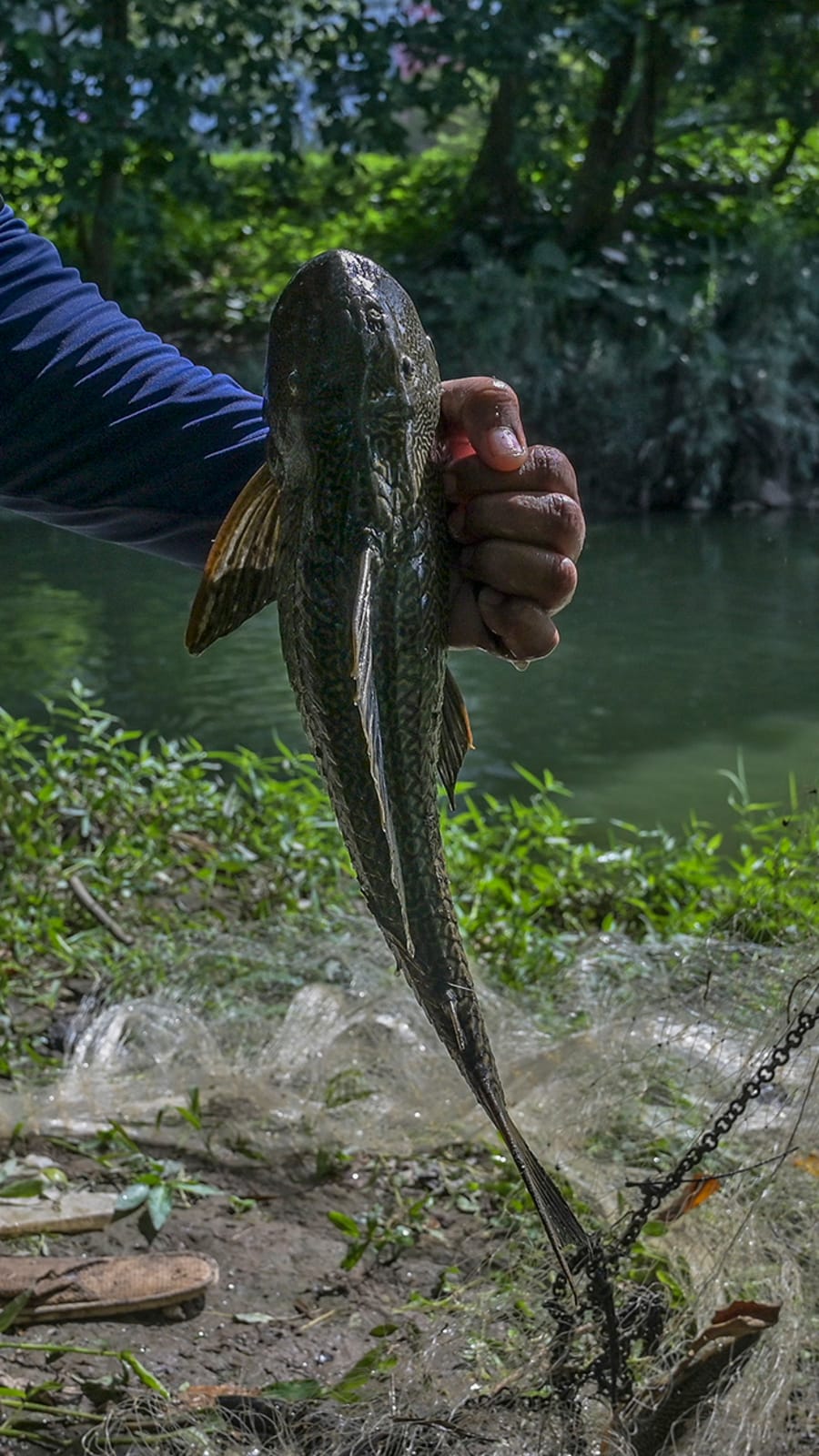
Armoured bodies, rapid reproduction and tolerance for polluted waters make the species highly resilient, allowing it to thrive where native fish struggle to survive.