







Australian PM Albanese plays down chance of referendum on monarchy
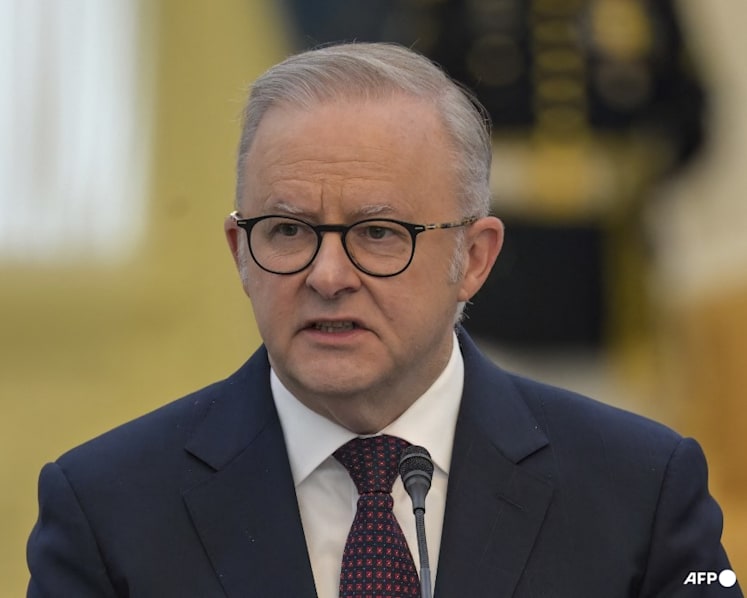
Australian Prime Minister Anthony Albanese delivers a statement on Feb 6, 2026. (File photo: AFP/Bay Ismoyo)
SYDNEY: Prime Minister Anthony Albanese played down on Friday (Feb 20) the chance of a vote to remove the British monarch as Australia's head of state following the arrest of former Prince Andrew.
Albanese, who favours changing his country to a republic, said Andrew Mountbatten-Windsor's arrest and detention on suspicion of misconduct in public office represented "an extraordinary fall from grace".
However, he appeared to rule out holding a vote to remove Andrew's brother King Charles III as Australian head of state, recalling a failed 2023 referendum on Indigenous people's rights that he had supported during his first term in office.
"I'm a republican but we had a referendum during the last term. Referendums are hard to pass in Australia," Albanese said when asked in an interview with The Guardian whether Australia should reassess its ties with the monarchy.





He said he had a good relationship with King Charles, who he said loved Australia.
"But that doesn't change the fact that I think there should be an Australian head of state," Albanese said.
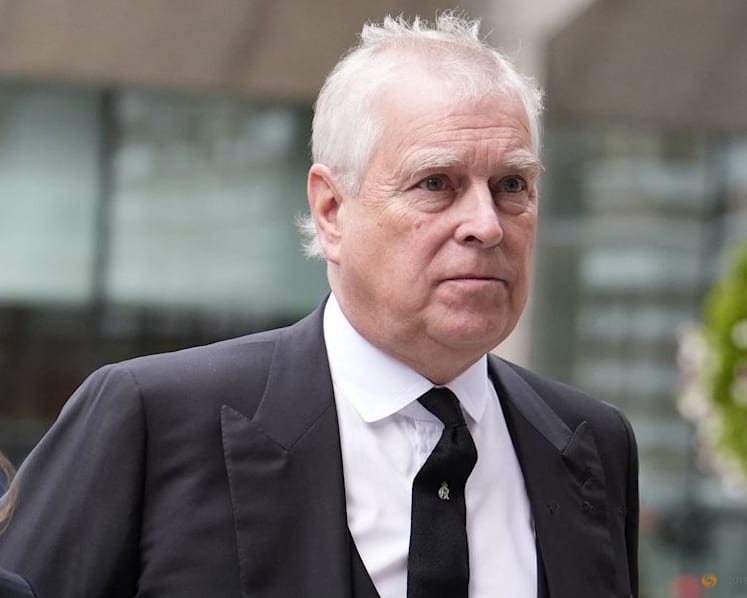
Australia was a British colony for more than 100 years and gained de facto independence in 1901, but has never become a fully-fledged republic.
In a 1999 referendum, Australians narrowly voted against removing Queen Elizabeth II after a row over whether her replacement would be chosen by members of parliament, not the public.
Twenty-five years later, a 2024 YouGov poll found that 37 per cent of respondents favoured Australia becoming a republic, 43 per cent were against and 20 per cent undecided.
Andrew's arrest on Thursday followed revelations last week that he appeared to have sent the late US sex offender Jeffrey Epstein potentially confidential documents while serving as a UK trade envoy.
"These are very serious allegations," Albanese said.
"This appears to be about documents and whether they were inappropriately forwarded onto someone who wasn't eligible - classified documents," he said.
"It's quite an extraordinary fall from grace, I must say, from someone who had such an esteemed position and was in a position really of absolute privilege."




