UK tightens student visa rules to curb abuse, critics warn genuine students affected
The move follows concerns that some foreigners have been abusing UK student visas to enter the country – not to study, but to seek asylum.
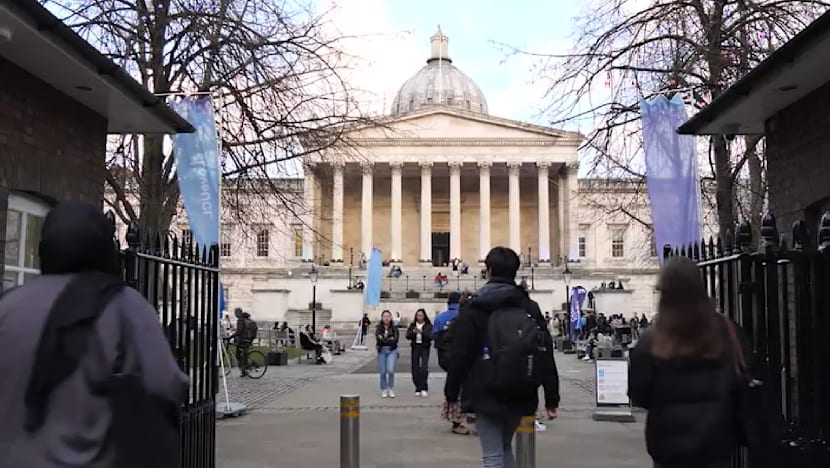
Under new Home Office rules that took effect in September, British universities must ensure that no more than 5 per cent of the student visa applications they sponsor are rejected.

This audio is generated by an AI tool.


LONDON/ISLAMABAD: A British government crackdown on student visa abuse is reshaping global education pathways, leaving some aspiring students from Pakistan and Bangladesh locked out of universities in the United Kingdom.
The move comes as authorities impose stricter requirements on universities to ensure applicants are genuine students.
Under new Home Office rules that took effect in September, British universities must ensure that no more than 5 per cent of the student visa applications they sponsor are rejected.
But refusal rates for applicants from Pakistan and Bangladesh are far higher, standing at 18 per cent and 22 per cent respectively
UNIVERSITIES UNDER PRESSURE
The tightening follows growing concerns that student visas are increasingly being used as a backdoor into the UK.
Government estimates show that around 16,000 people who entered Britain on student visas in 2024 later applied for asylum.
More than 80 per cent of asylum seekers from Pakistan and Bangladesh are believed to have arrived on valid visas to work or study initially.
The issue has become politically sensitive in Britain, prompting the Home Office to act.
Samah Rafiq, who co-lead the borders and migration research group at King’s College London, said: “There are limited ways for a genuine asylum seeker to get to the UK, and these safe and legal routes that asylum seekers had access to have systematically been decreased and diminished further through policy actions in the UK as well as in the wider EU.”
Last year, half of all rejected UK student visa applications came from just those two countries.
A Home Office spokesperson told CNA that the government strongly values the contribution of international students, but said tougher measures are necessary.
“That’s why we’re tightening the rules to ensure those coming here are genuine students and education providers take their responsibilities seriously,” said the spokesperson.
Institutions that fail to meet government rules could find themselves banned from taking in foreign students – a huge risk when the tuition fees they pay make up around a quarter of British universities’ income streams.
In response, many universities have imposed tighter vetting procedures for applicants from Pakistan and Bangladesh, while others have paused applications from those countries altogether.
The London Metropolitan University, for instance, told CNA it suspended applications from Bangladesh after a spike in Home Office refusals.
Gary Davies, the university’s deputy vice-chancellor, said 60 to 65 per cent of rejected applicants had come from Bangladesh, suggesting the government considers it a high-risk region.
While the government expects the changes to curb abuse, critics warn they are also shutting out genuine students.
Md Humayun Roshid, founder of the Bangladeshi Students Association UK, said he supports stronger compliance, but felt action should have been taken earlier to avoid such sweeping consequences.
TURNING TO ASIA
The UK’s tougher stance comes as other Western countries – including the United States, Canada and Australia – have also tightened immigration rules, narrowing options for Pakistani students seeking overseas education.
Twenty-three-year-old Hassan Mujtaba from Peshawar is among those still hoping to secure a British degree. Despite the new restrictions, he remains confident.
“I am a genuine student, I am going for my studies. So these policies don't affect me,” he said.
“It's good news because it filters out the bad actors, bad students from exploiting these policies.”
But for many others, visa rejections have already forced a change in plans.
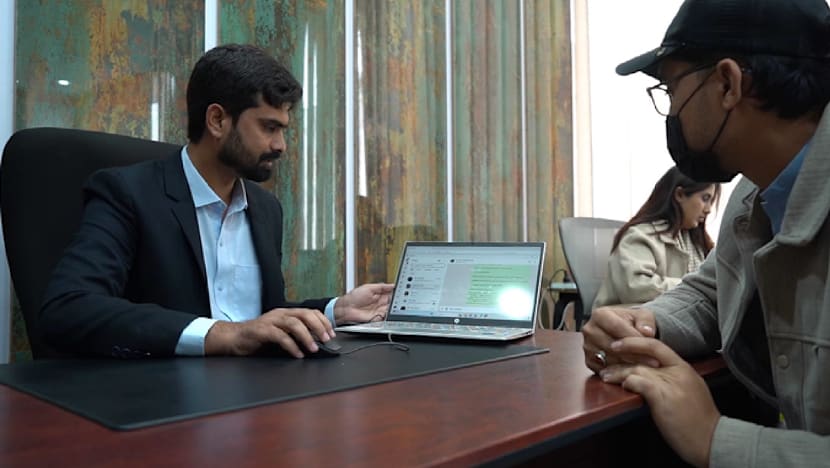
Education consultants told CNA that students are increasingly turning to Asian destinations that offer lower tuition fees, smoother visa processes and less stringent language requirements.
“The Malaysian market is emerging now,” said Amer Aziz, head of UK destination at FES Consultants. “Because in Malaysia they don’t need any kind of bank statements. The process is very smooth (and) visa chances are very high.”
Officials in Islamabad say closer cooperation with British authorities is needed to prevent student visa misuse and improve screening earlier in the process.
Others argue that reforms must begin at home.
Mirza Nouman Ali Talib of the National Defence University in Islamabad said: “Accountability matters the most, because the reputation of Pakistan is at stake.”