







US delays China chip tariffs until 2027 amid trade truce
Officials said the timing would allow Washington to maintain leverage without derailing broader negotiations with Beijing.
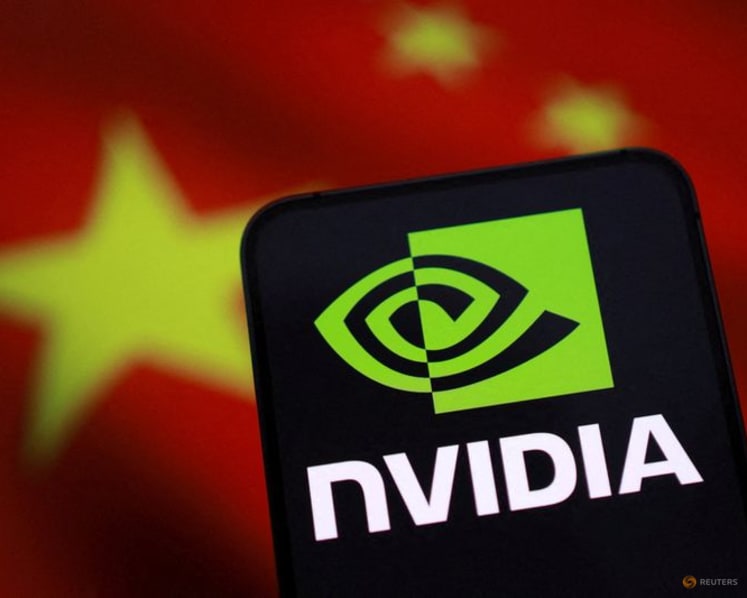
WASHINGTON: The United States will impose new tariffs on Chinese semiconductor imports but has delayed the move until June 2027, the Trump administration said on Tuesday (Dec 23), signalling an effort to preserve a fragile trade truce with Beijing.
The Office of the US Trade Representative (USTR) said the tariffs would target Chinese “legacy” or older-technology chips, following a year-long investigation into what Washington called Beijing’s “unreasonable” push for dominance in the semiconductor industry. The tariff rate will be announced at least 30 days before taking effect.
SECTION 301 PROBE
The decision stems from a so-called Section 301 investigation into unfair trade practices launched last year under former president Joe Biden. The probe found that China’s state-backed expansion of chipmaking capacity burdens US commerce and is therefore “actionable” under trade law, the USTR said.
While keeping the option to levy duties, the administration opted to delay implementation until mid-2027. Officials said the timing would allow Washington to maintain leverage without derailing broader negotiations with Beijing.





China’s embassy in Washington did not immediately respond to a request for comment.
TRADE TRUCE CONSIDERATIONS
The delay comes as the US seeks to ease tensions following China’s restrictions on exports of rare earth metals, which are critical to global technology supply chains and are largely controlled by Beijing.
As part of efforts to keep talks on track, Washington has also pushed back a rule that would have further restricted US technology exports to units of already-blacklisted Chinese firms. In parallel, the administration has launched a review that could allow shipments to China of Nvidia’s second-most powerful artificial intelligence chips, Reuters has reported, despite opposition from US lawmakers who warn such sales could boost China’s military capabilities.

BROADER CHIP TARIFF REVIEW
The semiconductor sector is also watching a separate and potentially far-reaching investigation into global chip imports under Section 232 of US trade law, which examines threats to national security. That probe could result in additional tariffs not only on Chinese chips but also on a wide range of electronics containing semiconductors from multiple countries.
However, US officials have privately indicated that sweeping new duties under the Section 232 review are unlikely in the near term.
EXISTING DUTIES IN PLACE
Chinese semiconductors are already subject to steep tariffs. An additional 50 percent duty imposed under the Biden administration took effect on Jan 1, 2025, adding to earlier levies.
Analysts say the latest delay reflects Washington’s attempt to balance pressure on China’s industrial policies with the risk of renewed trade escalation that could disrupt global technology markets.




