India’s largest stock exchange set for landmark IPO after years of delays amid market uncertainty
The long-delayed listing comes after nearly a decade of regulatory hurdles, including investigations into alleged governance lapses and preferential market access.

This audio is generated by an AI tool.


MUMBAI: India’s National Stock Exchange (NSE) is aiming to go public later this year, in what could become one of the country’s most highly anticipated initial public offerings (IPOs).
The long-delayed listing comes after nearly a decade of regulatory hurdles, including investigations into alleged governance lapses and preferential market access – accusations the exchange has consistently denied.
Market watchers say the IPO could mark a milestone for India’s capital markets, though uncertainty remains over investor appetite amid ongoing global and domestic volatility.
LONG-AWAITED LISTING NEARS
The NSE, India’s largest stock exchange with around 3,000 listed companies, is now preparing to go public.





Due to rules preventing exchanges from listing on their own platforms, the NSE is likely to list on its rival, the Bombay Stock Exchange (BSE).
BSE, which is already publicly traded, has seen its shares surge in recent years, driven by rising retail participation in India’s equity markets.
The NSE’s IPO is likely to be structured as an offer for sale, with existing shareholders – including financial institutions, insurers and global investors – selling part of their stakes.
“It has become one of the biggest IPOs that people have been waiting for a very long time,” said Tanvi Kanchan, associate director at Anand Rathi Share and Stock Brokers.
“Even though it is not a new fresh issue (and) it's an offer for sale, you are still looking at the 20 key investment bankers that are taking this IPO live to the public,” she added.
“There's a lot of interest that has already been generated.”
The NSE is expected to file its Draft Red Herring Prospectus – the first formal step in the IPO listing process – by June.
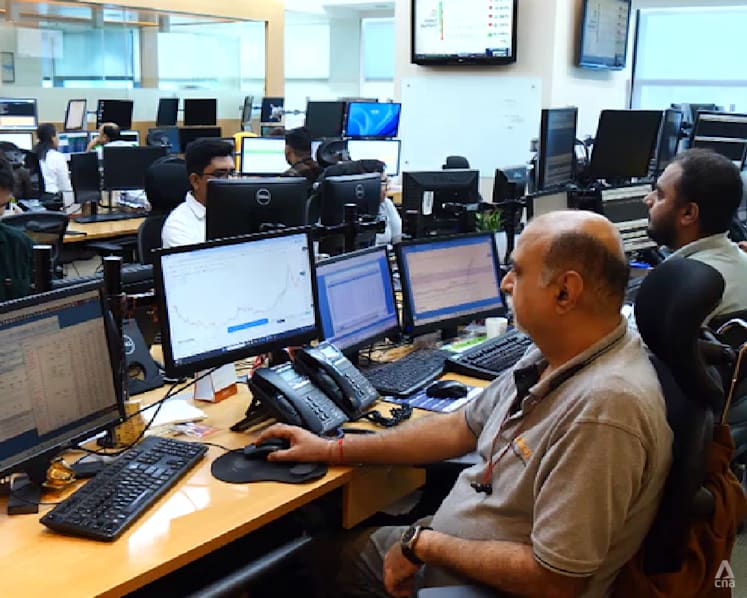
The exchange, incorporated in 1992, handles billions of dollars in transactions daily and is a cornerstone of India’s financial system.
A public listing would allow a wide range of investors, from retail participants to major financial institutions, to own a stake in the exchange.
GOVERNANCE OVERHAUL PAVES WAY
The road to listing has been lengthy.
Initial plans announced in 2016 were put on hold, following regulatory scrutiny over governance practices and concerns about unfair trading access.
Since then, reforms in the exchange’s leadership, technology upgrades and strengthened compliance frameworks have helped pave the way for the IPO, according to analysts.
“You have the entire structural change that happened,” said Anand Rathi Share and Stock Brokers’ Kanchan.
“(To address) all the regulatory issues that happened, NSE very clearly came up with a very strong structural framework to ensure that none of these compliance issues come ahead.”
However, external risks could still affect the timing and success of the listing.
Global market volatility – fuelled by geopolitical tensions in the Middle East and shifting interest rate expectations – has made investors more cautious.
“A lot of companies are putting their listing plans on hold right now given the volatility. It's anybody's guess how long it's likely to continue,” said Vijay Kuppa, CEO of investment platform InCred Money.
“But I think there's another six to nine months before the NSE is ready to hit the market. By then maybe the market scenario could change.”