Worth watching: CNA Correspondent explores what makes Asia tick after dark and before dawn
From overnight emergency services to cleaners born into the trade because of their caste, CNA Correspondent delves into the invisible workers who make cities run in Asia.
It’s late at night and a woman’s cries are echoing across a room.
She is heavily pregnant and her water bag has broken.
At her side, emergency first responders from Thailand’s Ruamkatanyu Foundation get into action, while she lies on her side on a thin mattress on the floor.
“My assessment was that if we transported her in our pick-up truck, we would not arrive at the hospital in time, and the baby would come out too early,” said Anuwat Nuchpapai, a volunteer at the foundation.





“That wouldn’t be good for both the mother and the child.”
Making snap decisions like this are all in a night’s work for volunteers at the foundation. Founded in 1959 by a son of Chinese immigrants, the organisation and similar ones like it initially transported the dead to morgues and crematoriums, earning them the nickname of Body Collectors.
Today, they still do so, but also provide emergency services and disaster relief.
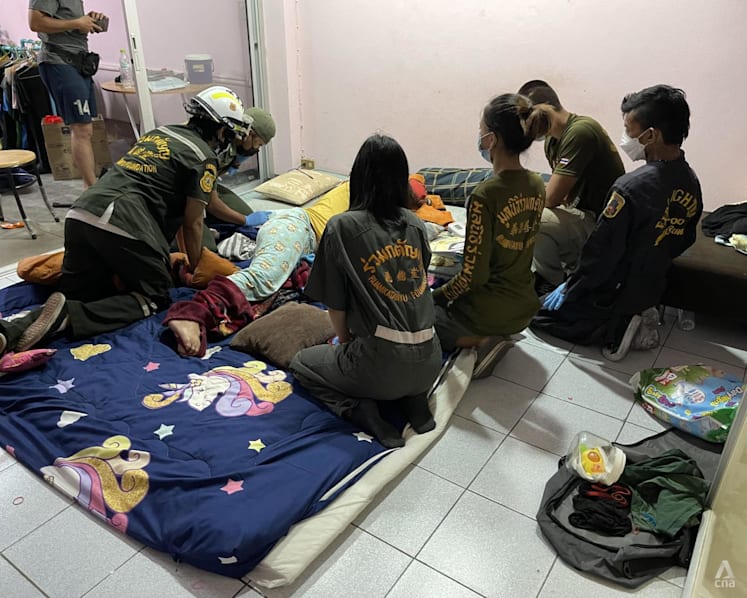
This is just one of a collection of stories across Asia featured in CNA Correspondent’s upcoming two-part After Dark special which explores what makes cities tick after the sun goes down, and features the people who keep the cities running.
CNA’s Thailand correspondent Saksith Saiyasombut, who followed the emergency responders said: “It’s a story that has always been on my radar for many years now and that has always fascinated me.”
“Initially I found it odd that an essential public service like ambulances and first responders are not fully provided by the state but more or less outsourced to private charities. However, instead of kicking them out, they have been now integrated into the system and somehow it seems to work,” he added.
Beyond rescuers, the series also looks at unique subcultures, including one revolving around Japanese hostess bars in Taipei.
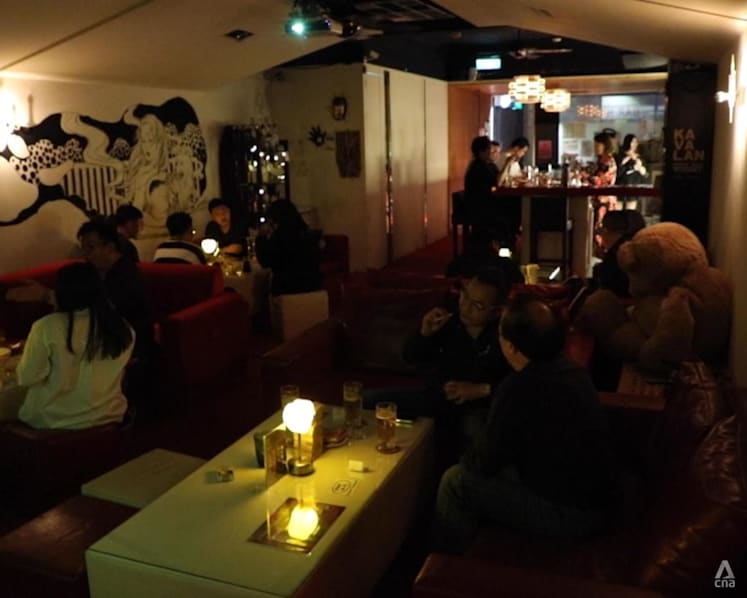
The Tiaotong district in the western part of the city was where Japanese troops resided during the Japanese colonial era.
Subsequently, Japanese hostess bars and shops began to flourish, though the area’s fortunes have waned since both economies started slowing.
Today, some groups are trying to revive the district’s Japanese culture, even as fewer than 30 Japanese hostess bars are left.
“The Tiaotong culture is a symbol of Taiwan’s ties with Japan since its colonial era,” said CNA’s Taiwan correspondent Victoria Jen. “It’s important because it reflects the influence the Japanese culture has over Taiwan even until this day.”
The two-part series also throws the spotlight on cleaners in Nepal's Kathmandu who are out and about before the city wakes up.
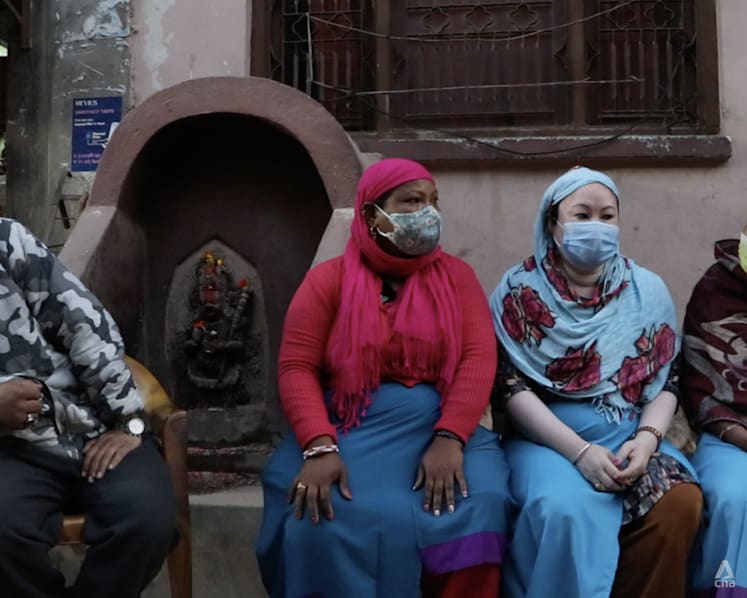
Little known outside the country, most of these cleaners come from the Pode community, which was considered as untouchable in the Hindu caste system.
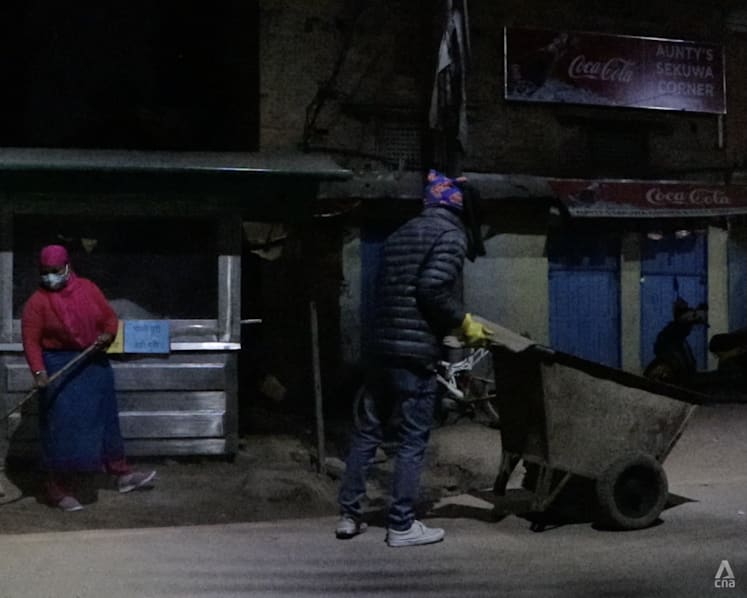
In the past, each caste was assigned a job and the Podes were designated with cleaning the city. This meant that many female Podes had no choice but to follow in their mothers’ footsteps as cleaners.
Pooja Pant, who produced this story, said: “We know about caste discrimination, but hearing it first hand from a person about what they experience and the fact that they have no choice, no other choice given to them, it was very jarring.
“It shows us our privilege, like a smack in the face.”
But working on this series also showed her a different side of the city she was born and grew up in.
“Waking up at 4am and getting to know the city in the morning, it’s just a kind of rejuvenation that the city is having, which I would not have experienced had I not done the story,” she said.
The two-part After Dark special, which also features stories from Japan, Hong Kong and India, debuts this Friday on CNA Correspondent at 9pm SG/HK. The second part, Before Dawn, airs on Apr 15. It will focus on the invisible workers who toil while the rest of the population is asleep to ensure that it’s up and running when they awake.
You can also watch it in CNA Insider on YouTube.