









PRESENTED BY
ADVANCE YOUR CAREER
WITH STACKABLE, FLEXIBLE
LEARNING PATHWAYS
Content share and bookmark
SMU Academy’s modular programmes empower professionals to customise their upskilling journeys and build industry-ready competencies in high-growth fields.
In today’s fast-changing world, career development pathways are no longer as straightforward as they once were. From new entrants to mid-career professionals stepping into leadership roles, many are grappling with the impact of emerging technologies such as artificial intelligence (AI) on industries and business transformation.
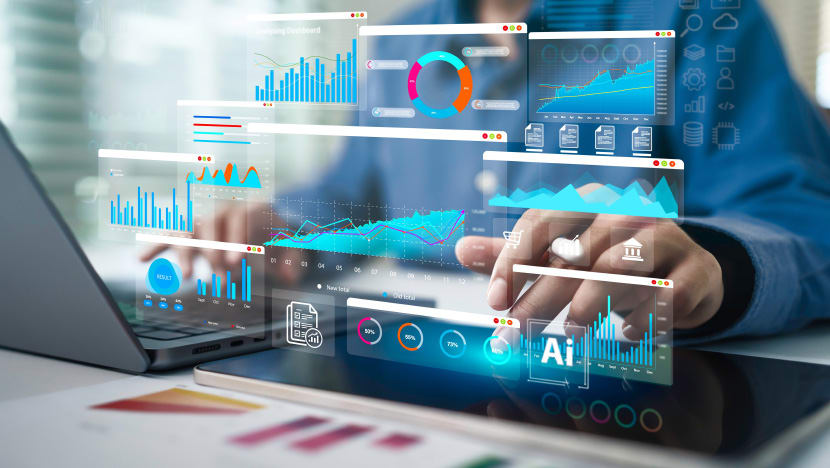
Data from SkillsFuture Singapore (SSG) sheds light on this shift. From 2022 to 2025, demand for AI capabilities more than doubled across sectors and about a quarter of work tasks can now be significantly aided by AI. At the same time, human-centric core skills such as problem-solving, collaboration and communication remain essential for navigating new technologies.
As disruption accelerates, workers find themselves adapting to new ways of doing the same task or transitioning into new roles. This underscores the importance of continuous learning to keep up with industry demands and stay employable.
“Lifelong learning goes beyond formal education or attending courses,” said Mr Jack Lim, executive director of SMU Academy, the professional training arm of Singapore Management University (SMU). “It is about aligning skills with real work and ensuring that individuals, employers and training providers are moving in the same direction.”
LEVELLING UP IN KEY GROWTH AREAS, PROGRESSIVELY
Established in 2017, SMU Academy offers more than 1,500 continuing education courses and programmes across focus areas where demand for skills remains strong and industries are being reshaped.
“SMU Academy designs its programmes to keep pace with industry transformation, preparing learners with the capabilities and future-ready skills needed to thrive in an evolving economy,” said Mr Lim. “This helps ensure that what we offer remains relevant and translates into real outcomes, whether supporting individuals in reskilling and career growth or helping organisations build critical capabilities.”
With skills becoming outdated more quickly, higher education is rethinking traditional learning models. Shorter, bite-sized courses allow learners to reskill and upskill continuously, apply new knowledge at work, and pause or resume learning to match their career needs. SMU Academy’s stackable modular courses are designed with this in mind.
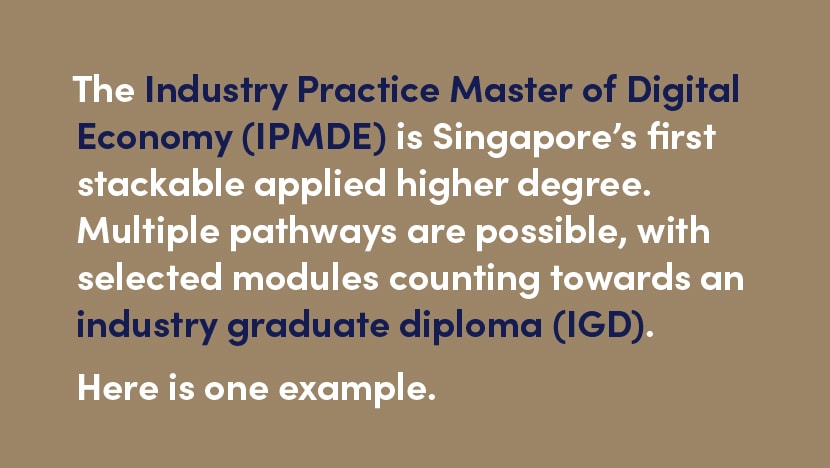
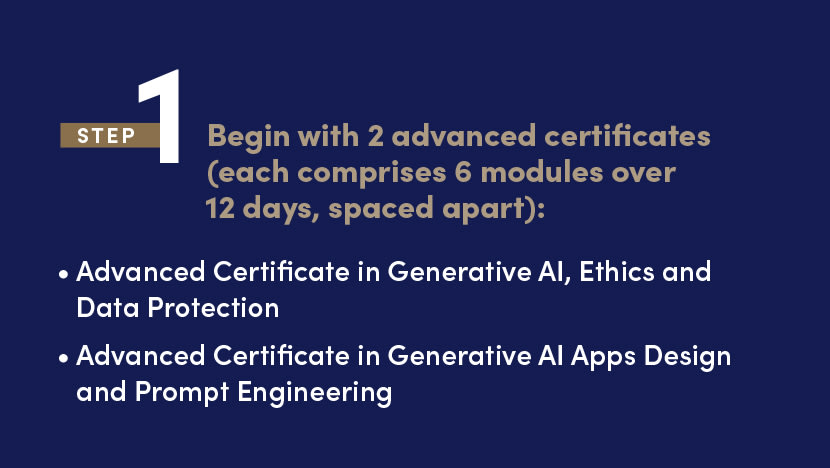
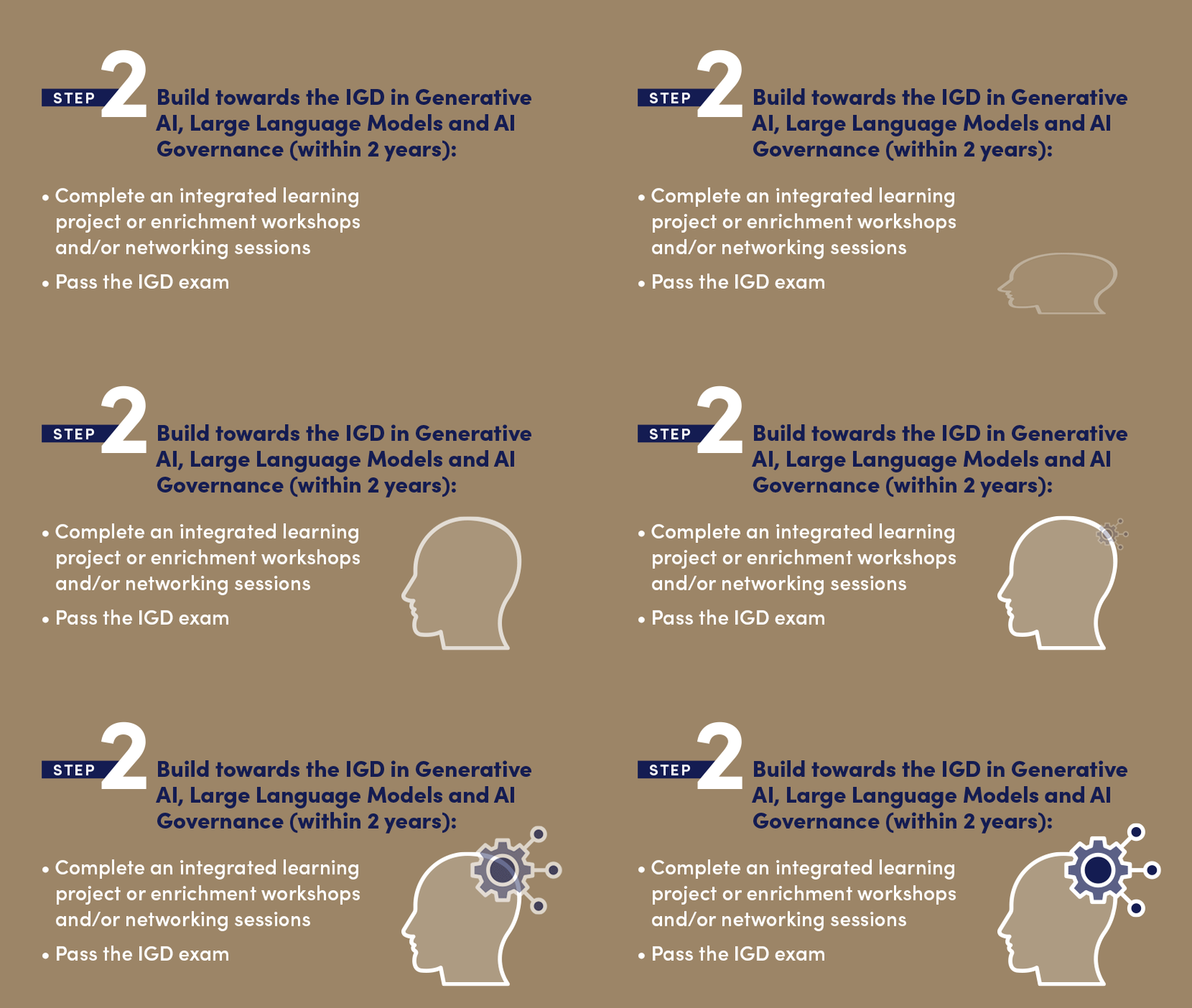
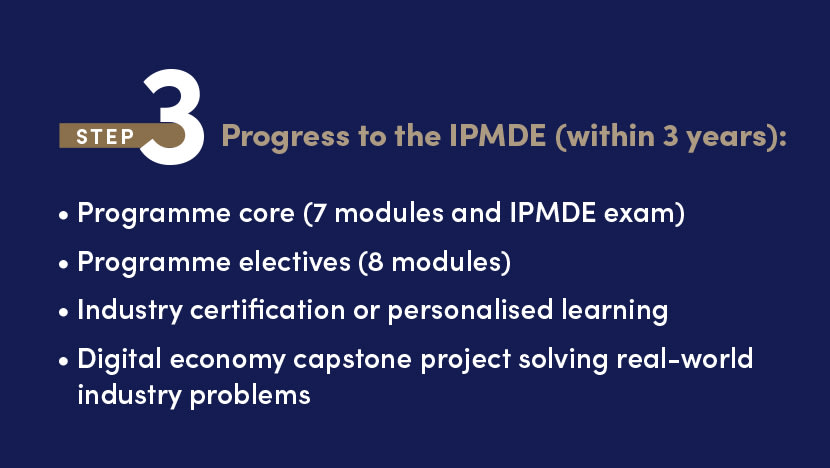
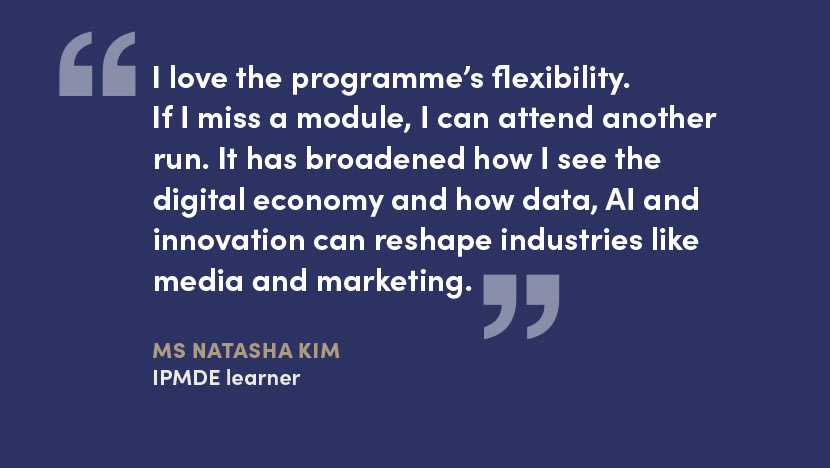
Its programmes cater to different entry points, from one- or two-day courses covering foundational skills to specialist advanced certificates and degrees. Learners can earn a standalone credential or stack them over time, building towards an industry graduate diploma (IGD) or the Industry Practice Master of Digital Economy (IPMDE) – without putting their careers on hold.
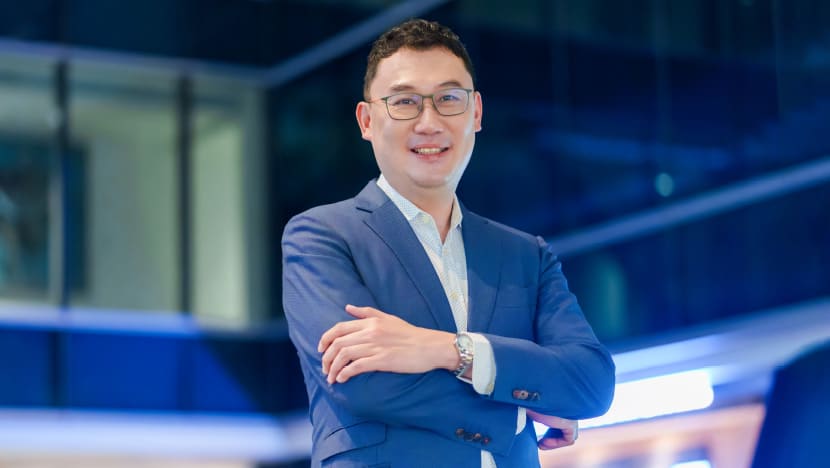
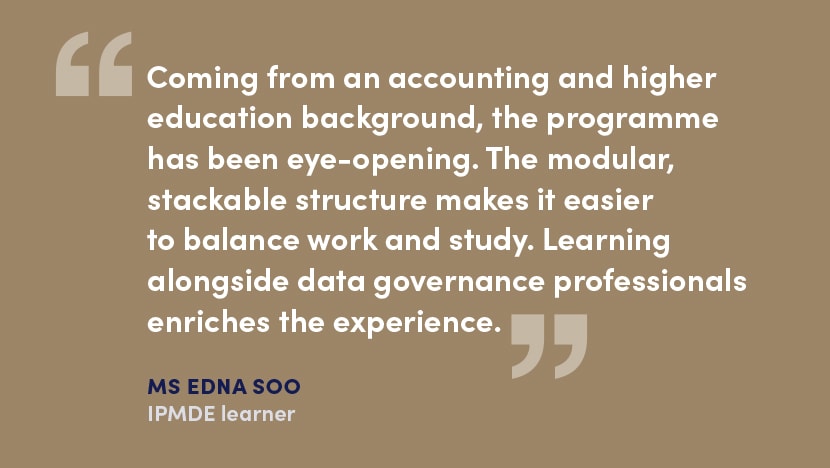
“Most adults are balancing work, family and other commitments, so they need greater adaptability in how they acquire new skills,” said Mr Lim. “The stackable and modular structure makes learning more manageable and lowers the barrier to entry, especially for mid-career professionals.
“This approach also supports more personalised learning pathways. Individuals can choose modules based on their career goals or immediate job requirements, rather than following a fixed curriculum.”
For example, someone pivoting to a data-related role can start with foundational analytics courses, while another may focus on digital marketing or leadership. Learners can then accumulate credentials at their own pace, progressing to an IGD and eventually the IPMDE. Post-polytechnic diploma holders also have the option to fast-track this pathway at SMU.
A LEARNER-CENTRIC APPROACH TO RESKILLING AND UPSKILLING
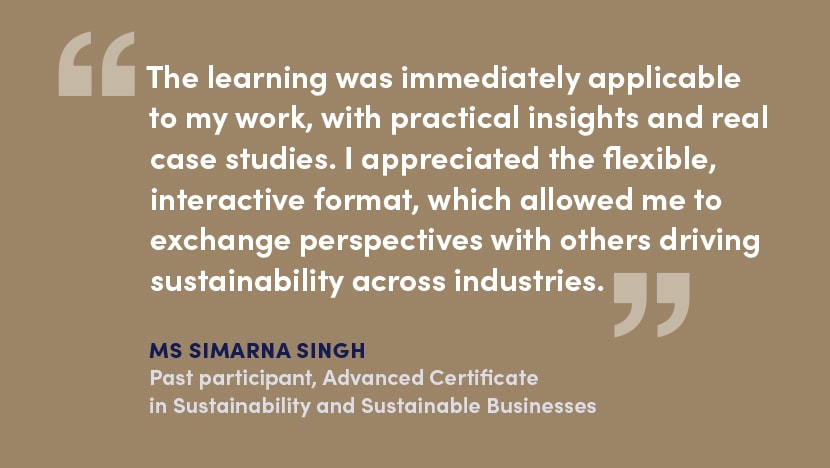
To ensure industry relevance, SMU Academy’s programmes are designed in partnership with the government, industry partners and the wider community. As part of the curriculum, students tackle real-world projects and case studies, gaining practical experience that translates into job-ready skills.
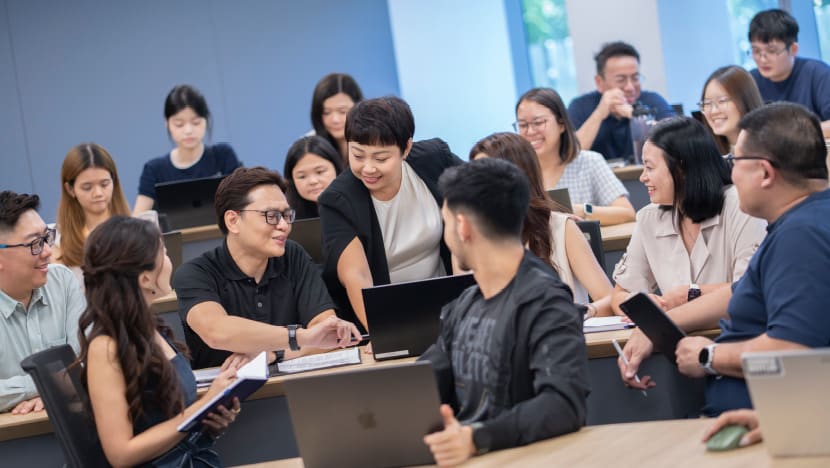
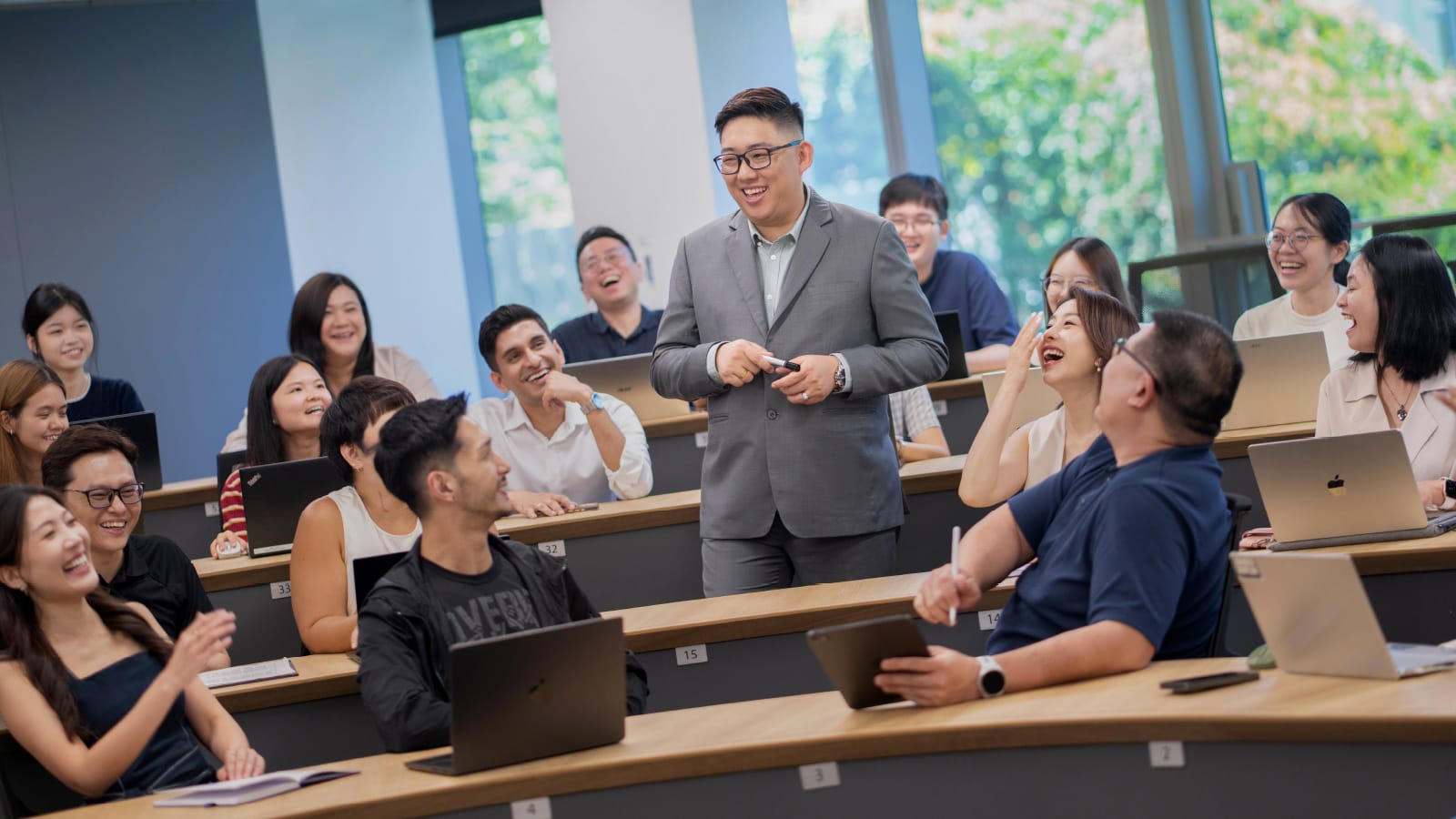
Taught by both industry experts and SMU faculty, modules are delivered through a blend of online, in-person and hybrid formats, making it easier for working adults to fit learning into their schedules. Classroom sessions present opportunities to network and interact with peers, while e-learning allows participants to keep up with their studies despite busy schedules.
Some courses – including the IGDs and IPMDE – are also eligible for SSG funding, further broadening access to continuing education and professional development.
TOWARDS ENHANCED EMPLOYABILITY AND SUSTAINED GROWTH
SMU Academy trains more than 25,000 individuals annually, including repeat learners, helping professionals and organisations remain resilient in the face of increasing competition and disruption. For individuals, this supports career mobility across roles and sectors. For companies, it helps build a workforce that can drive transformation, innovation and growth.
Amid a cautious hiring market outlook for 2026, analysts expect companies to adopt a more selective approach to recruitment, focusing on roles and skills that support digitalisation and structural transformation. This shift towards skills-based hiring – which prioritises proficiency over qualifications – carries implications for both jobseekers and employers.
“Individuals need to be more proactive in identifying gaps in their capabilities and taking steps to address them,” said Mr Lim. “Especially in digital and AI-related jobs, requirements evolve quickly and there is a growing emphasis on demonstrating applied competencies, not just theoretical knowledge.”
Organisations need to be actively involved too, he added. “Skills-based hiring allows businesses to widen their talent pool and respond more effectively to changing needs. But this only works when companies invest in workforce development, whether through training, job redesign or clear pathways that link skills to roles.”
To fully realise the value of reskilling and upskilling, alignment is key. “Training must be relevant, timely and closely connected to real job opportunities so that it delivers tangible outcomes for both workers and employers,” said Mr Lim.

