









Presented by


BEYOND THE BADGE:
MEET THE UNSUNG HEROES
OF THE HOME TEAM
Content share and bookmark
They may not wear uniforms, but their work is equally critical. These are the officers behind the tech, training, policy and partnerships that keep Singapore safe.
When it comes to tackling criminal acts and protecting lives, frontline officers are often the ones in the spotlight. But every decisive moment on the ground is backed by a network of support that springs into action long before a mission begins.
From designing biometric systems and shaping gambling regulations to training officers for joint operations and helping ex-offenders rebuild their lives, these Home Team departments work largely behind the scenes – yet their contributions ripple through every layer of public safety.
While the new micro-drama by Mediacorp and the Ministry of Home Affairs (MHA) dramatises high-stakes frontline operations, it is the steady groundwork – in labs, classrooms, policy rooms and community spaces – that makes those moments, on screen or off, possible.
HTX: MORE THAN JUST A “TECH COMPANY”
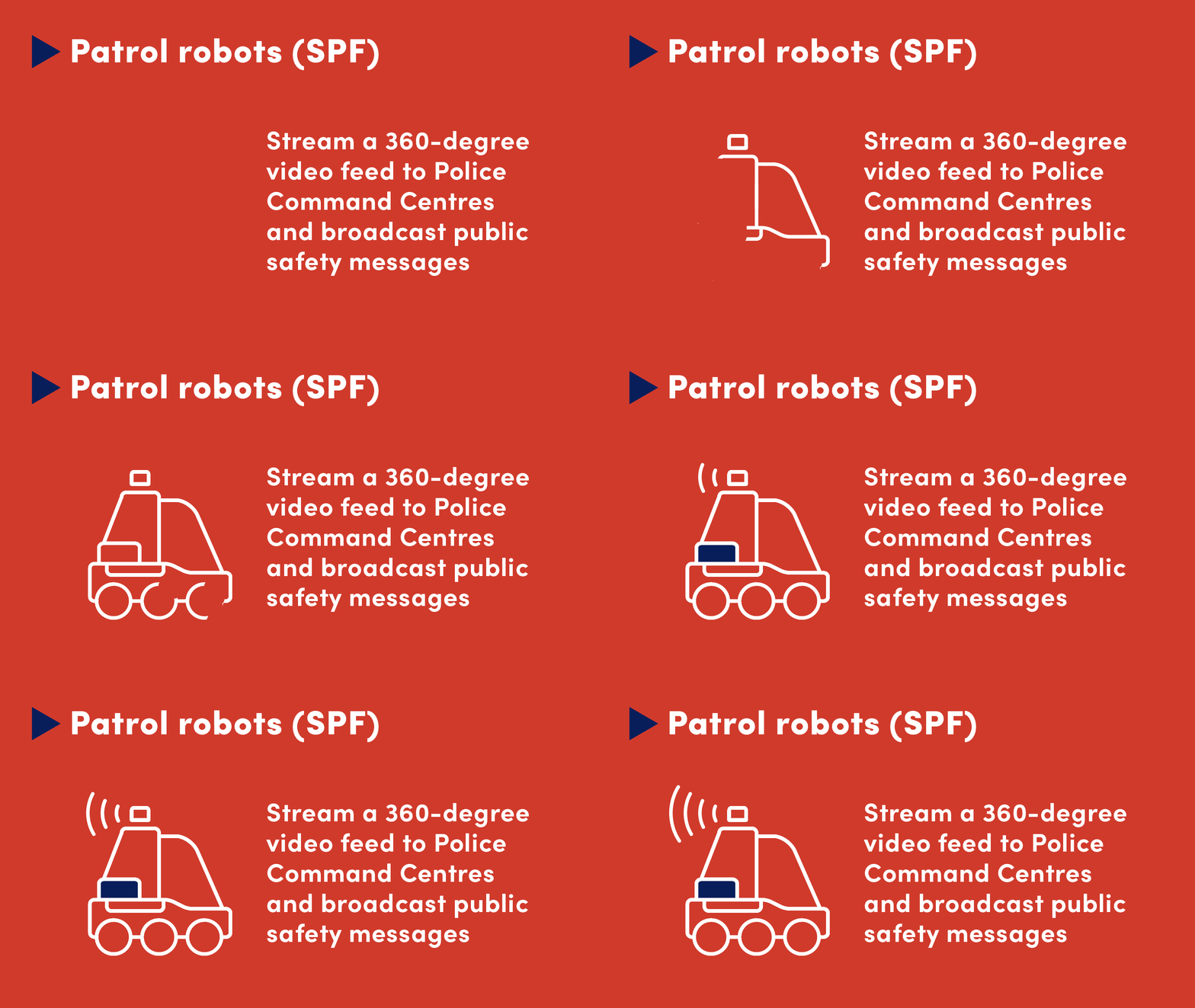
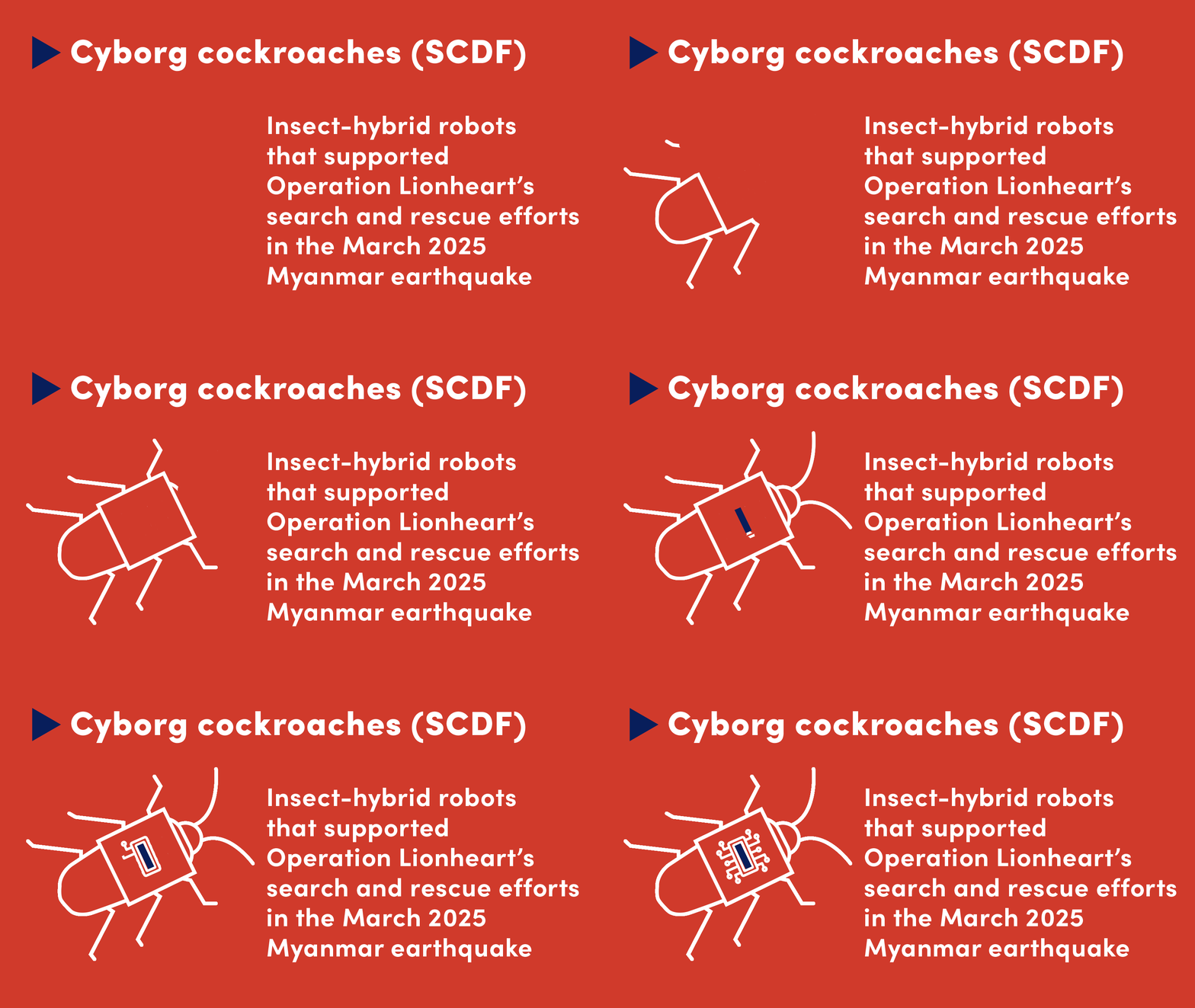
From cyborg cockroaches to autonomous patrol robots, HTX (Home Team Science and Technology Agency) combines science, engineering and innovation to sharpen the Home Team’s operational edge. “We manage the full technology lifecycle, from research and prototyping to integration and deployment. That gives us a steady pipeline of operational solutions,” said Mr Cheng Wee Kiang, HTX’s assistant chief executive (engineering).
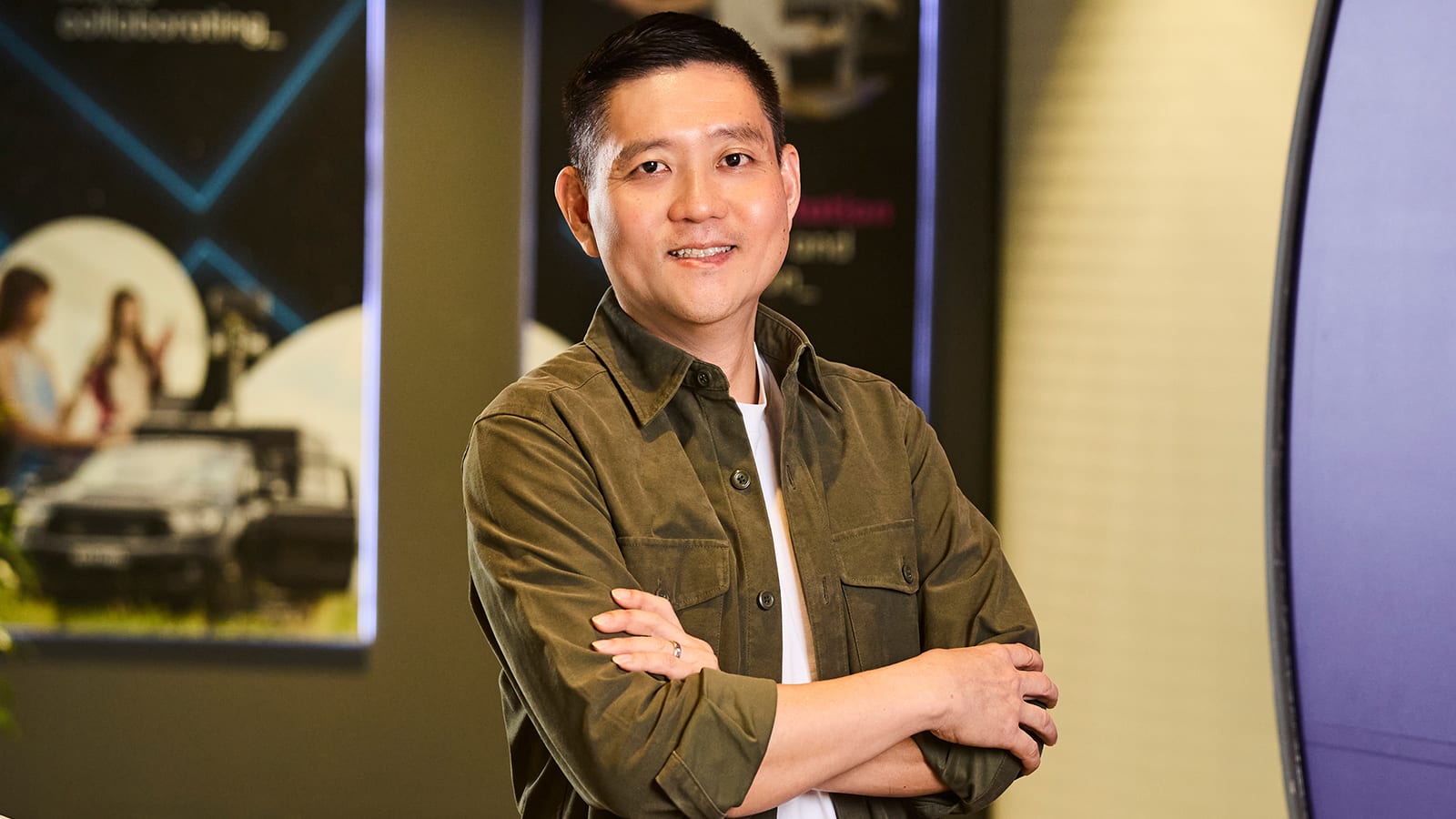
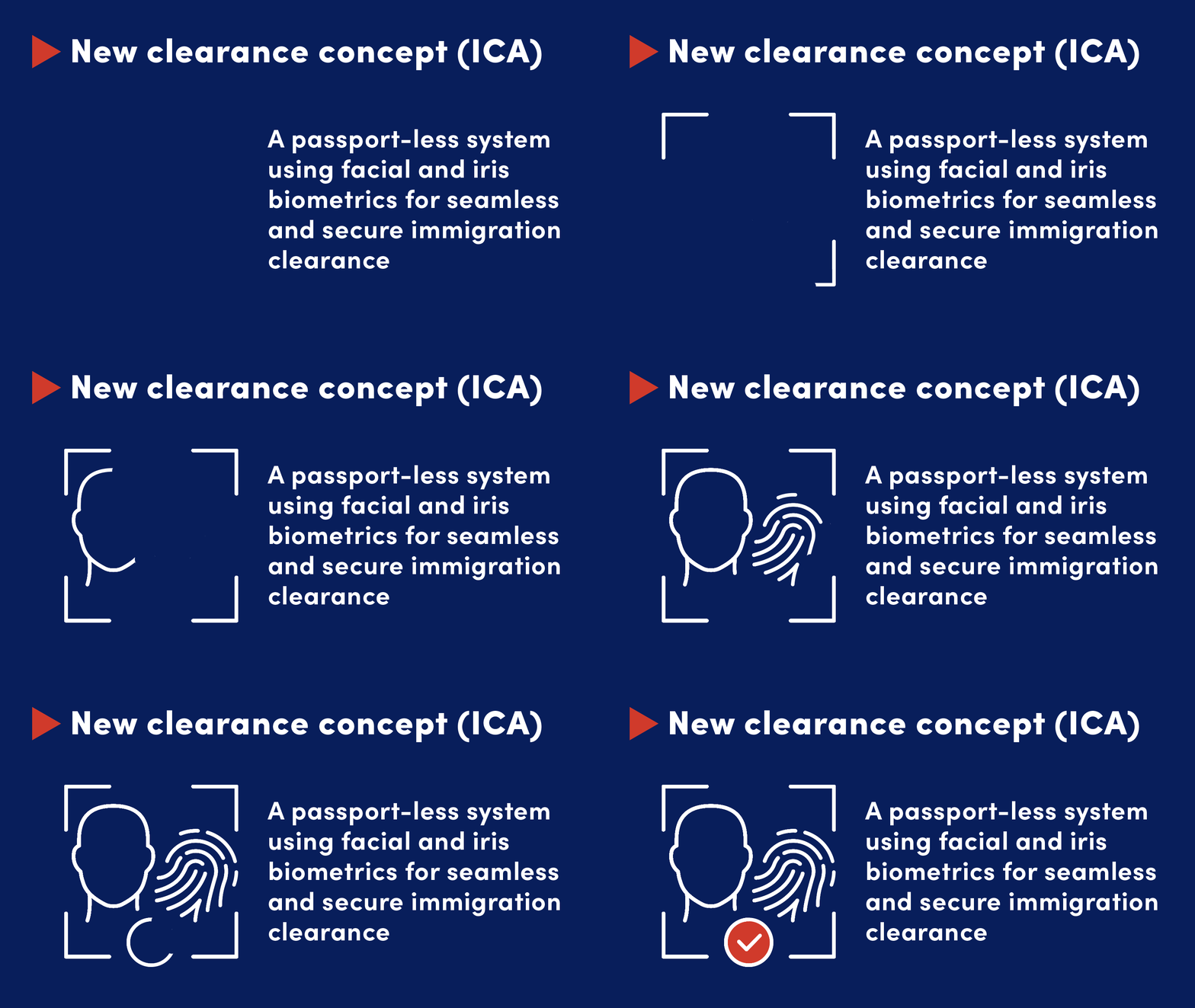
To strengthen the Home Team’s capabilities, artificial intelligence (AI) is a key strategic focus. HTX has deployed AI and machine learning to power the Immigration and Checkpoints Authority’s (ICA) biometric screening systems, automate data analysis and enable predictive decision-making in operations centres. But that is just the start, shared Mr Cheng. “We’re now exploring multi-modal AI that can synthesise insights across text, images, video and audio. This has huge potential for applications in scam detection, fire safety inspections and even predicting the psychoactive effects of new substances.”
Beyond developing solutions in-house, the agency partners with the wider science and technology ecosystem to drive innovation. “Innovation is part of our DNA,” said Mr Cheng. “Only when we’re willing to push boundaries can we truly build the science and tech capabilities the Home Team needs.”
HTX’s innovation centre, Hatch, and its open innovation challenge known as Dimension X extend this drive, adapting technologies from sectors like healthcare and logistics for public safety. This culture of experimentation and a “dare to fail” mindset, coupled with a vibrant work environment, has helped HTX attract top talent and secure a spot on Singapore’s Best Employers list for three consecutive years.

HTA: MORE THAN JUST AN ACADEMY
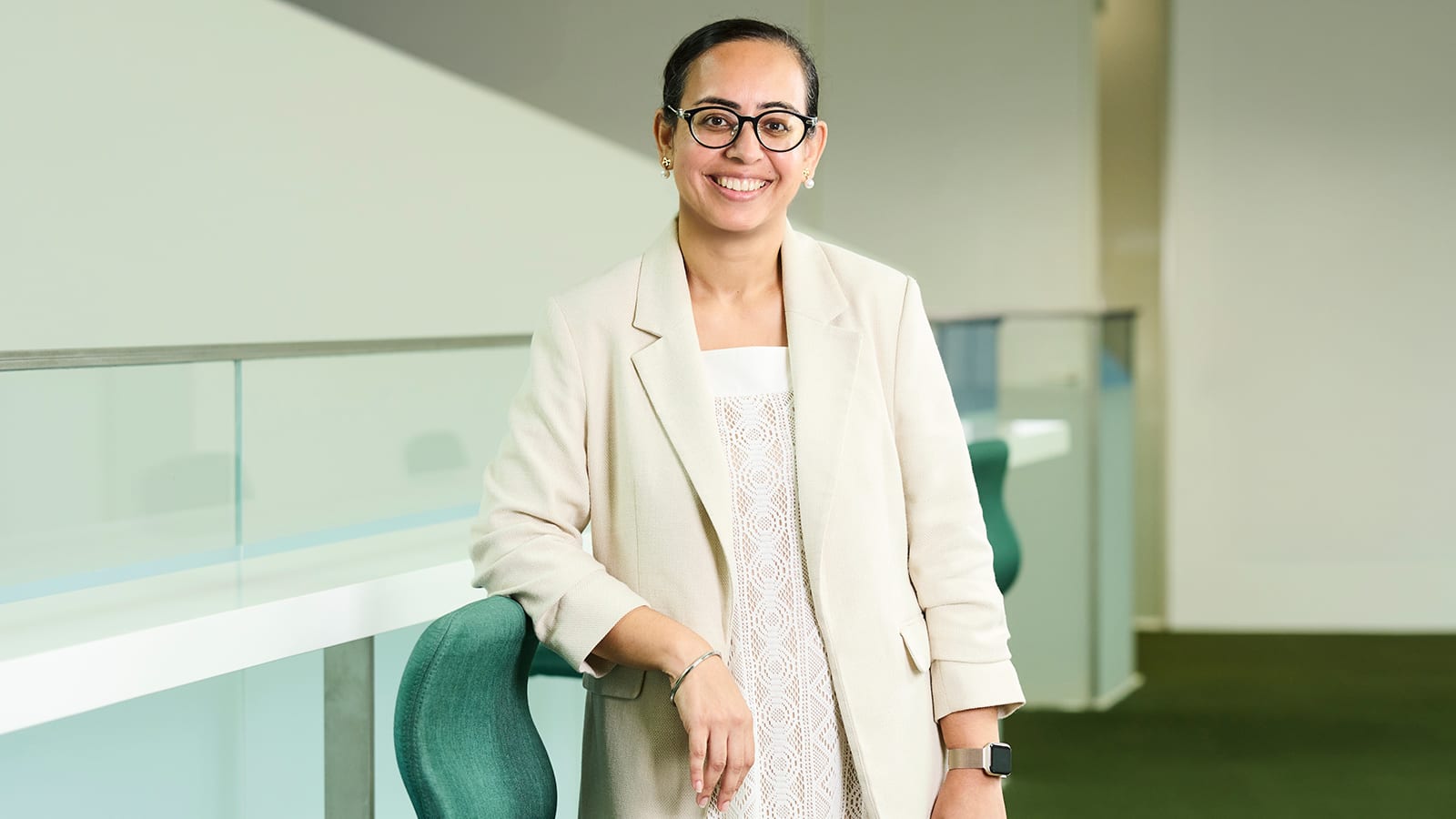
Far from being a place for drills and protocols, the Home Team Academy (HTA) is a training partner that journeys with officers through every stage of their careers, from recruits to senior leaders. “We curate courses to help Home Team officers, trainers and leaders be future-ready. We connect officers across different agencies and equip them with innovative technologies that elevate their training and learning journey,” said Dr Jasmin Kaur, director of Home Team Centre for Leadership.
At HTA, joint learning experiences forge lasting relationships that strengthen collaboration across departments and reinforce the Home Team’s shared mindset, identity and values. “Officers don’t just learn skills – they build relationships that last careers,” she added.
This spirit of continuous learning and innovation extends across HTA’s Smart Campus – from the experimental Sandbox classroom that pilots new training concepts to interactive smart classrooms that blend digital learning with hands-on practice.
“By equipping our officers with the skills, knowledge and competencies to keep Singapore safe and secure, we’re developing the next generation of Home Team leaders who will drive innovation in public safety, security and crisis leadership,” said Dr Kaur.
ISD: MORE THAN JUST WHAT IS AT OUR DOORSTEP
Though it rarely makes headlines, the Internal Security Department (ISD) works quietly and tirelessly, gathering intelligence on potential threats, conducting investigations and engaging communities on the ground. “People sometimes think we deal only with imminent domestic threats – we do that and much more,” said ISD intelligence analyst Jolene Tan (not her real name). “Internal security threats often arise from external root causes. To anticipate these threats, we have to look ahead, be aware of our external environment and understand the possible impact on Singapore.”
In today’s hyperconnected world, extremist propaganda and AI-generated disinformation can spread in minutes. Deepfakes have already been used by malicious actors to incite violence and sow discord, noted Ms Tan. “To stay ahead, we develop and operate state-of-the-art systems in AI, data science, cyber and other security technologies, and work closely with partners like the Singapore Police Force,” she added. “Our officers are trained in hybrid skills to navigate the cyber domain and counter disinformation and influence campaigns.”

Last year, ISD was part of a multi-agency operation that uncovered a foreign network pushing anti-Singapore narratives online, including false claims about the country’s diplomatic ties. “Intelligence investigations were conducted and 95 social media accounts from this network were eventually taken down under the Foreign Interference (Countermeasures) Act,” shared Ms Tan.
But its work isn’t just about dismantling threats. ISD also focuses on early intervention, particularly among youth, a demographic especially vulnerable to radical ideologies. Through school workshops, public outreach under the SGSecure framework and collaborations with the Religious Rehabilitation Group and Inter-Agency Aftercare Group, ISD supports both education and rehabilitation efforts for radicalised individuals.
Despite the anonymity of the job, Ms Tan said the sense of purpose is unmistakable. “Regardless of our roles, we’re united by a shared mission: to deal with those who seek to harm Singapore and disrupt our way of life. That keeps us going,” she said.
GRA: MORE THAN JUST ISSUING LICENSES TO CASINOS
Reconstituted from the Casino Regulatory Authority in 2022, the Gambling Regulatory Authority (GRA) closely supervises gambling operations in Singapore – ensuring that they are free from criminal influence and conducted with integrity. But its role extends beyond casino licensing. GRA also shapes responsible gambling policies, conducts inspections and investigations, and works with partners to minimise gambling-related harm.
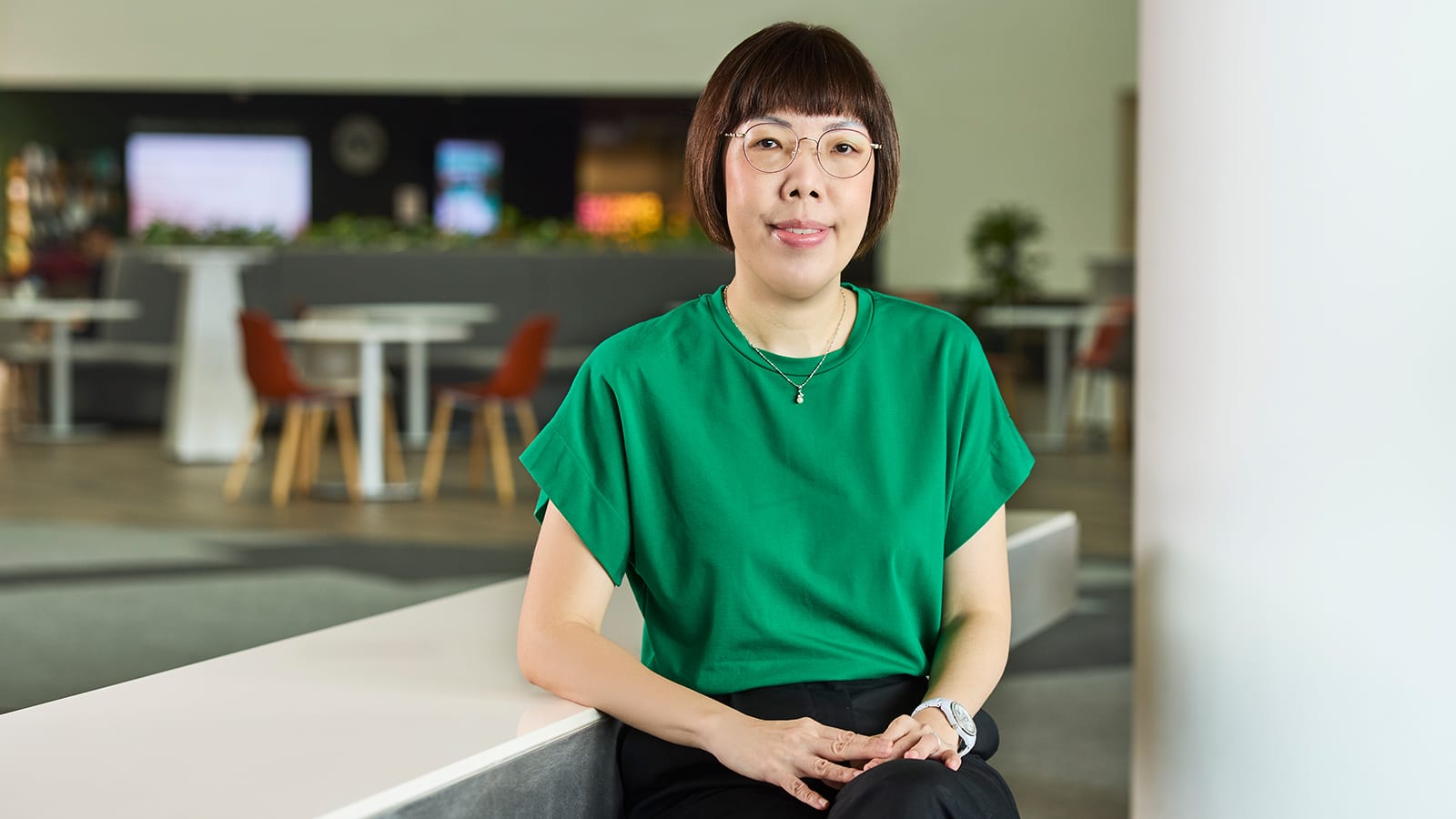
“We allow some forms of gambling in a controlled and safe environment because total prohibition could push it underground,” explained Ms Lee Kah Mun, deputy director of compliance at GRA. “But we take a cautious, data-driven approach, with strict safeguards in place.”
This balanced approach guided GRA’s decision to allow Singapore Pools to offer Toto Match, a new betting format. “Our decision was backed by data showing it could divert demand from illegal operators,” said Ms Lee. “At the same time, all our safeguards – such as age restrictions, a ban on credit use and limits on advertising – continue to apply.”
Behind the scenes, GRA’s Data Analytics Unit provides critical insights to strengthen these safeguards. Using machine learning and artificial neural networks, the team analyses patterns of play to flag potential risk behaviours. “These tools help us identify profiles and characteristics of individuals who may be at higher risk of problem gambling,” said Ms Lee. “This supports more targeted measures taken by our partners, such as the Ministry of Social and Family Development and the National Council on Problem Gambling.”
Today, Singapore’s problem gambling rate stands at around 1 per cent – one of the lowest globally. Looking ahead, GRA plans to embed AI even further into its operations, enhancing licensee compliance, player protection and future readiness.
YRSG: MORE THAN JUST JOB-MATCHING FOR EX-OFFENDERS
Everyone deserves a second chance – and Yellow Ribbon Singapore (YRSG) helps turn that chance into a future. While job placement is part of its mission, YRSG takes a longer view: supporting ex-offenders as they rebuild their lives with dignity and hope.
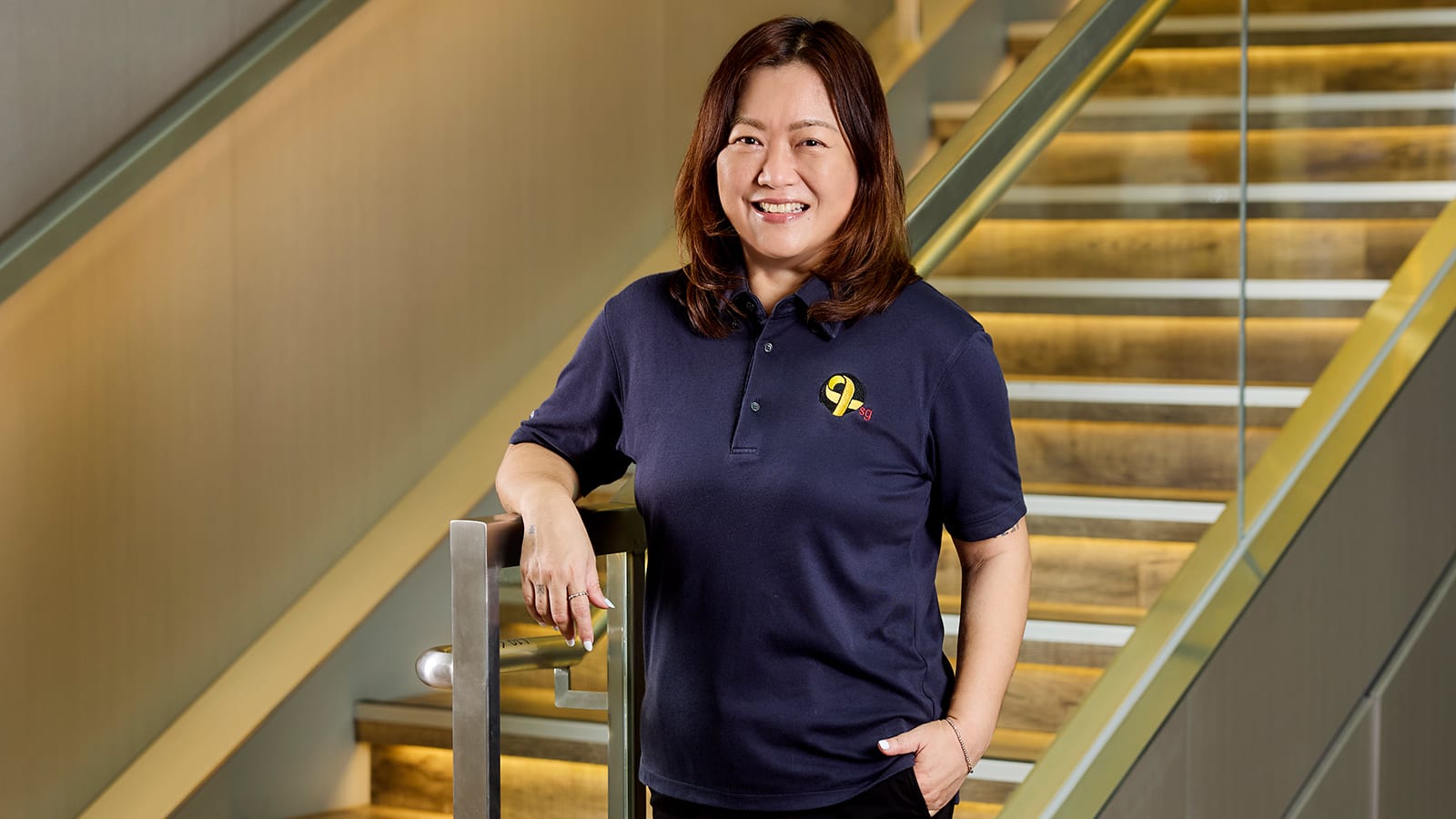
“When many inmates leave the physical prison, they enter a social one,” said Ms Paulin Chua, YRSG’s director of partnership. “At Yellow Ribbon Singapore, we aim to break that cycle of reoffending by co-creating with the community and ecosystem that empower them to reintegrate and contribute to society.”
That support begins even before release. Inmates undergo in-prison training aligned with SkillsFuture Singapore’s Skills Framework, followed by job placements arranged prior to release. This is reinforced through strong employer partnerships and up to 12 months of case management, where each ex-offender is paired with a YRSG career coach.
Once in the community, ex-offenders can continue upgrading themselves through a wide range of skills training programmes. Through initiatives like Project Beyond Hiring, YRSG equips workplace supervisors with tools to mentor new hires, while YR Connects sessions provide a platform to gather employer feedback and foster new partnerships. “Hiring ex-offenders is the most symbolic act of acceptance and offering second chances. Organisations can create a ripple effect that inspires others to act collectively. Community acceptance is key to successful reintegration,” added Ms Chua.
STEPPING INTO THE ROLE
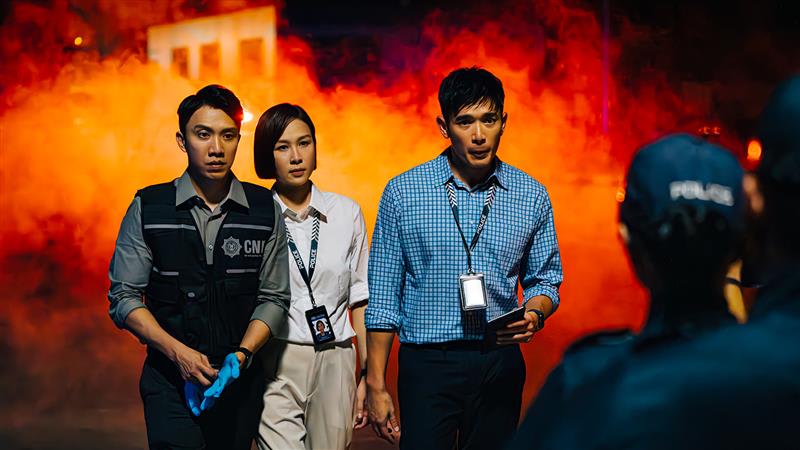
In the new micro-drama, artistes Charlie Goh, Ya Hui and Elvin Ng play officers from the SPF and Central Narcotics Bureau, who team up with SCDF, ICA and the Singapore Prison Service to take down a regional vice syndicate, even as old rivalries and emotions run high.
Though the action is staged, the preparation was real. The cast trained in tactical movement and joined sharing sessions with Home Team officers to understand the mindset behind the badge. “What stood out to me was how quick-witted officers have to be on the ground,” said Goh. “They’re constantly facing fast-changing situations and have to make the right calls in the moment.”
Ng, on the other hand, was struck by the high-level synergy behind every operation: “Every department specialises in a certain area, so the teamwork and coordination was really efficient and impressive.”
For Ya Hui, the experience has given her a newfound appreciation for Home Team officers. “Behind the uniform are people with families and fears too – yet they continue to show up with commitment and heart,” she shared. “That sense of purpose and sacrifice stayed with me even after filming.”

