









PRESENTED BY


THE SUPPORT SYSTEM
BEHIND SINGAPORE’S
HAWKER CULTURE
Content share and bookmark
Behind the bustle of every hawker centre is a network that helps stallholders build sustainable businesses while keeping
neighbourhood dining affordable.
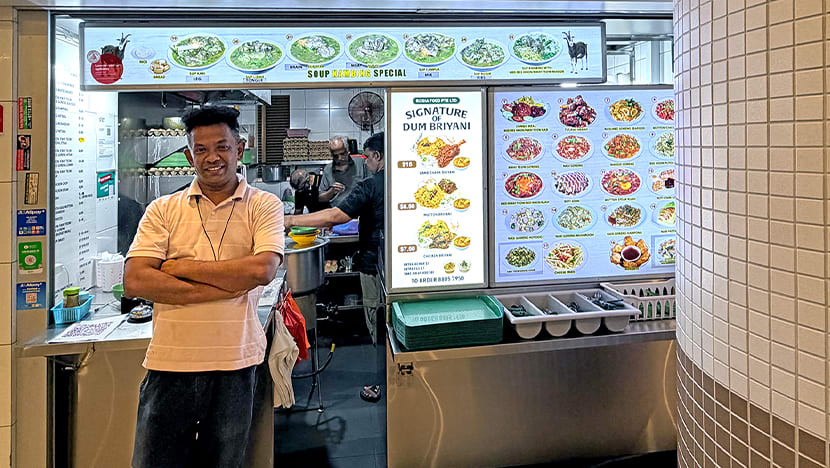
Mr Sahul Hameed Asan Gani’s stall, Rizqia Muslim Food, at Buangkok Hawker Centre (BKHC), a Socially-conscious Enterprise Hawker Centre (SEHC), opens at 10.30am. But his workday starts much earlier, at 7.30am.
“I use healthy ingredients and omit monosodium glutamate and food colouring,” he said. “I make mutton soup and biryani layer by layer instead of putting everything into a pot, so the flavours build over time. That’s why my food tastes like it’s homecooked.”
After learning to cook professionally from colleagues in the restaurant industry, Mr Sahul struck out on his own to sell the dishes he and his wife are passionate about: dum biryani, mee goreng, and his speciality, mutton soup. His painstaking approach has earned him loyal customers who travel from as far as Jurong.
“After work, when my children are sleeping, I think about how to improve my dishes and business,” he said, before adding with a laugh: “Hawkers have no life!”
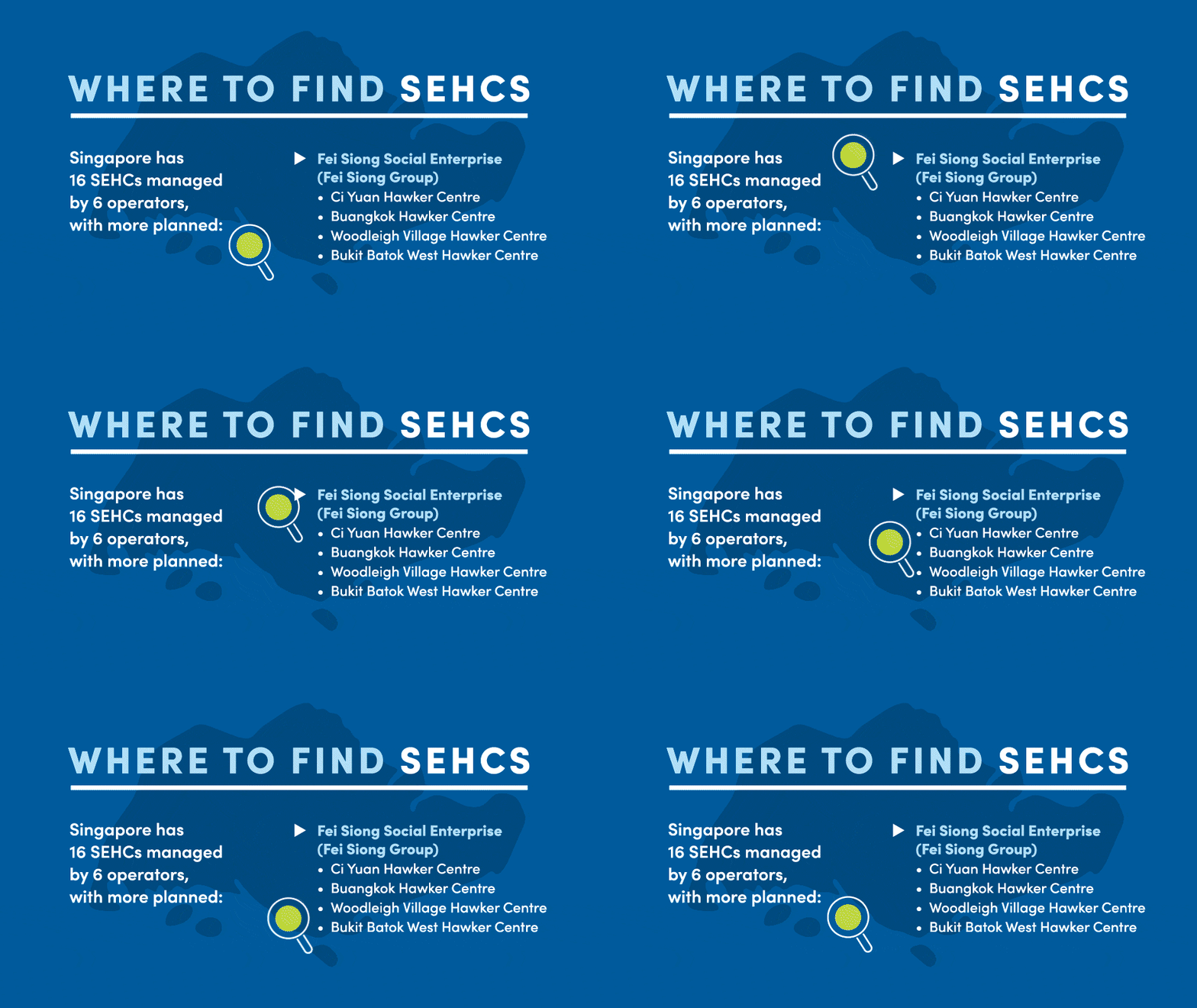
As a first-time business owner, Mr Sahul is able to focus on refining his recipes while BKHC’s operator, Fei Siong Social Enterprise (FSSE), takes care of the rest. FSSE, part of Fei Siong Group, supports hawkers with matters ranging from resolving choked pipes to social media marketing and strategic business advice.
A QUICK GUIDE TO SEHCS
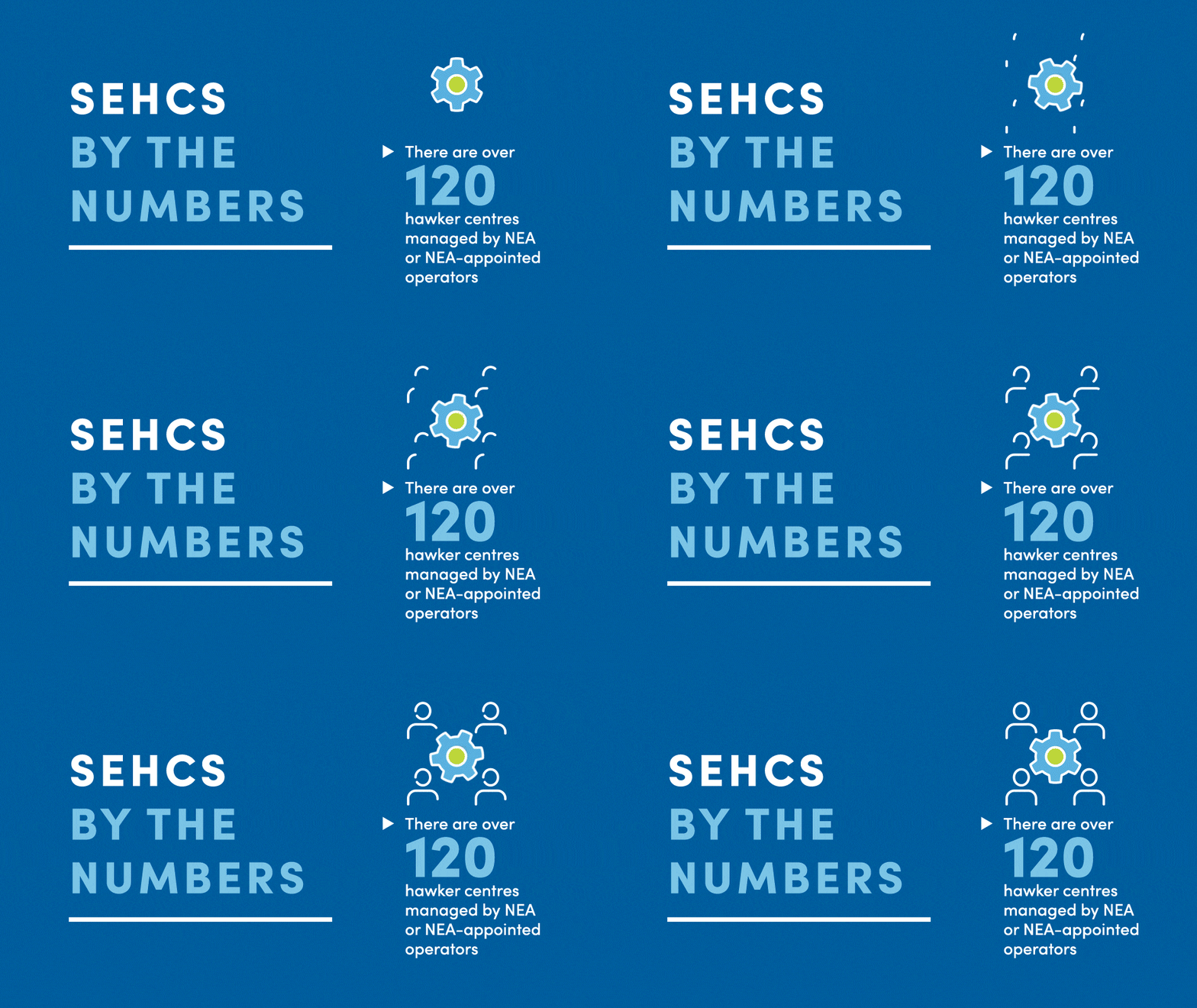
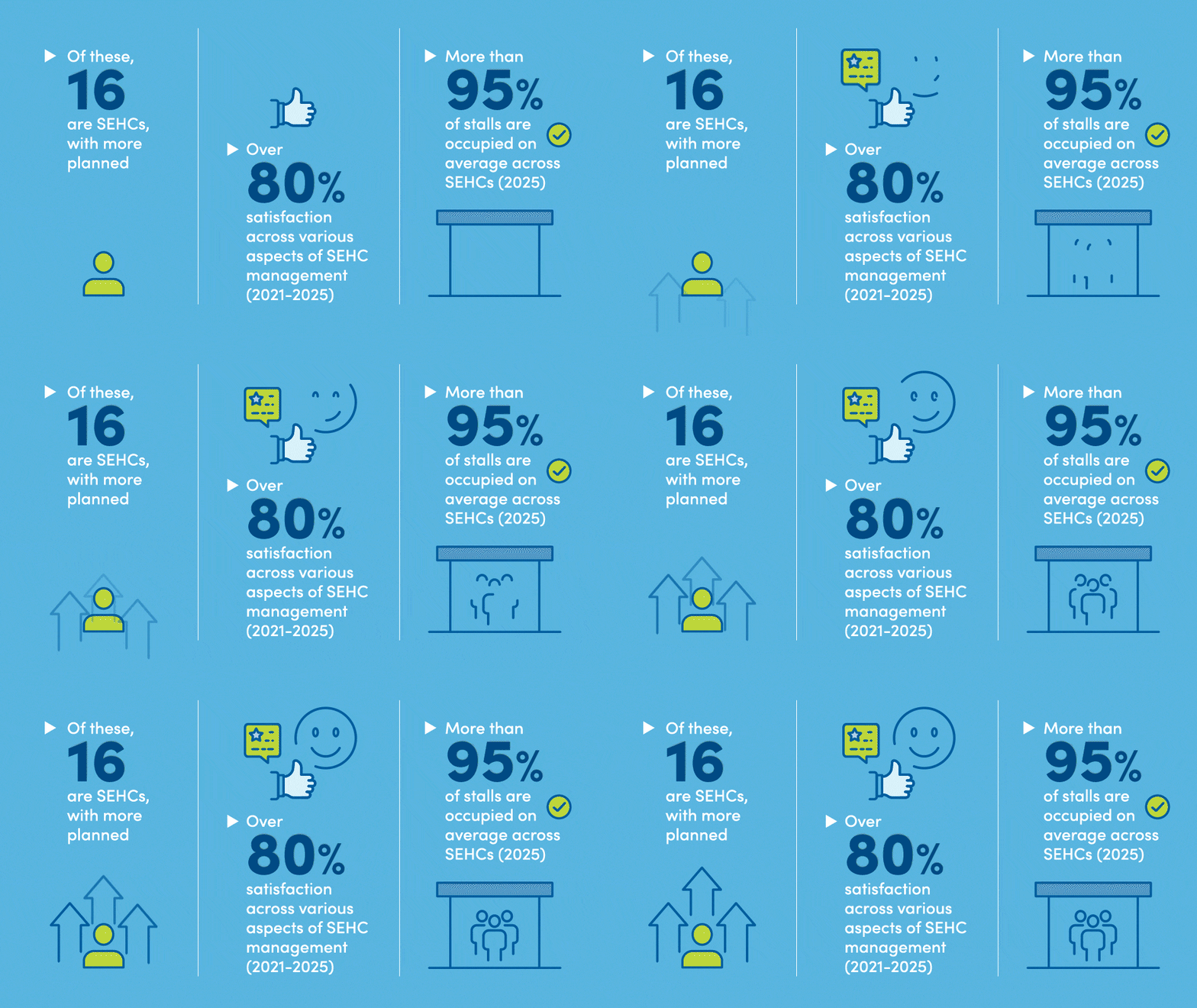
- Introduced in 2011, the SEHC model was developed in response to a changing society – more dual-income families, growing housing estates and evolving dining patterns. Experienced food and beverage operators are appointed to run selected hawker centres as vibrant community spaces offering affordable meals close to home.
- The government bears the costs of designing and building SEHCs, ensuring they are not passed on to operators or stallholders.
- Operators are appointed through a competitive tender process and receive a management fee from the government to run the centres. Their responsibilities include maintaining cleanliness and ensuring a good variety of food options.
- In turn, operators pay the government market rent for the premises, based on an independent professional valuation. This structure is designed to keep the model financially sustainable without placing excessive costs on stallholders.
- Through business support, rental assistance and community initiatives, SEHCs help hawkers build sustainable livelihoods while ensuring residents continue to have access to affordable meals in their neighborhoods.
FUELLING SINGAPORE’S VIBRANT HAWKER SCENE
Behind the lunchtime crowds and accolades such as the Michelin Bib Gourmand awards, Singapore’s hawkers face mounting pressures, from difficulty finding and retaining stall assistants to rising ingredient costs.
The long hours spent working in a hot, humid environment also take a toll, said Ms Rao Jianfang, who runs Long Ding Seafood at Anchorvale Village Hawker Centre.
Ms Rao started the stall with her mentor, Mr Xu Canbin, who received the Outstanding Hawker Mentor Award at last year’s Singapore Hawkers’ Celebration and Awards. Like many hawkers, she is focused on building a business that can thrive in the long term.
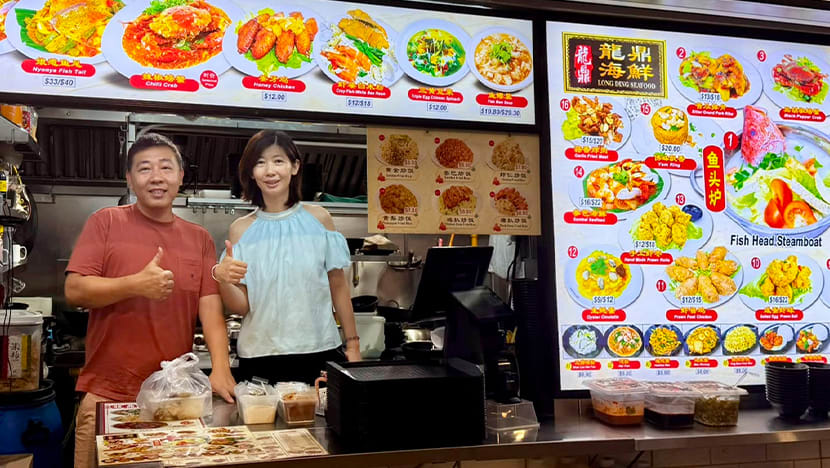
“A common challenge many hawkers face is sales slowing down over time,” she noted.
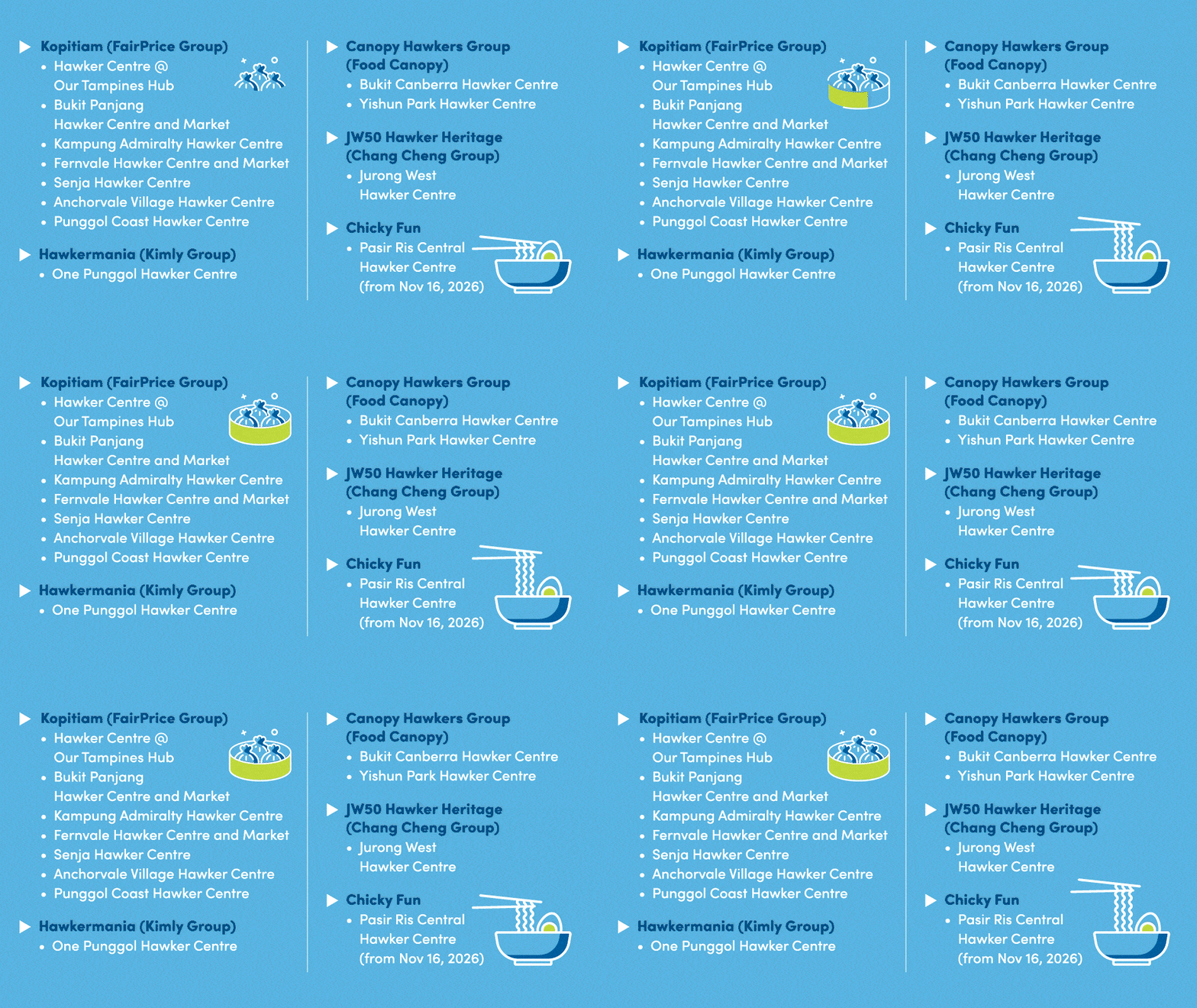
Having FairPrice Group’s Kopitiam operations team on site gives stallholders like Ms Rao a sounding board for the challenges they face. To drive footfall, for instance, the team organises engagement initiatives such as roving God of Fortune appearances during Chinese New Year.
SUPPORTING HAWKERS FOR THE LONG TERM
Under the SEHC model, operators put measures in place to strengthen hawkers’ businesses and prevent burnout. These include capping rent at market rates, staggering rents for stallholders in the first two years of the centre’s operations, and provisions that support work-life balance.
The impact of these measures became especially clear during the COVID-19 pandemic.
When business at Mr Gao Yu Piao’s Lobster King Pao Fan stalls dropped sharply, rental rebates from Kopitiam helped eased the financial strain. Lobster King Pao Fan operates outlets at Hawker Centre @ Our Tampines Hub and Kampung Admiralty Hawker Centre, both Kopitiam-managed SEHCs.
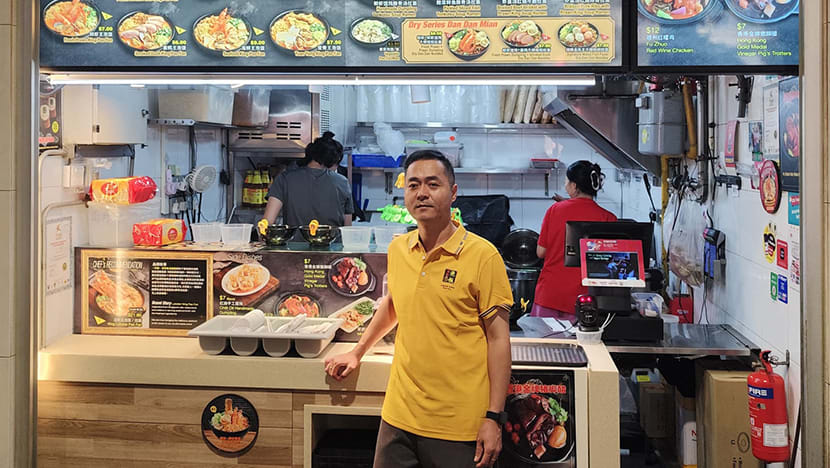
Mr Sahul had a similar experience. He said Fei Siong was understanding when he struggled to pay rent during the early days of running his stall. The staggered rent scheme gave him breathing room to build a customer base.
SEHC operators also act as a bridge between hawkers and NEA. Through regular engagement with hawkers, FSSE gathers feedback on issues such as rising ingredient or gas prices before proposing solutions in consultation with NEA. These may include minor food price adjustments that seek to balance meal affordability with business sustainability.
NEA representatives attend regular meetings at SEHCs to hear directly from stallholders about the challenges they face and ideas for improving centre operations. This allows the authorities to respond with timely measures, such as rental support extended to hawkers and market stallholders amid developments in the Middle East.
The support extends beyond financial assistance. FSSE coordinates operating schedules so that rest days are distributed fairly among hawkers and helps stallholders with administrative matters they may not have the time to handle, such as applications to hire additional staff.
SERVING STALLHOLDERS AND THE COMMUNITY
Under the SEHC model, a minimum of 50 per cent of any operating surplus must be reinvested for the benefit of the hawker centre or its stallholders. This may take the form of rental rebates, upskilling courses or marketing initiatives.
At Ci Yuan Hawker Centre, FSSE consulted hawkers on how to use the operating surplus, including whether they preferred a one-time rental rebate or food coupons. Its marketing team proposed staggering the coupons across different dates and stalls to encourage repeat visits and spread the benefits among stallholders.
“We believed this would encourage residents to come back repeatedly to buy their favourite foods,” said Mr Joe Sng, associate director of FSSE. “After the coupons were released, we received positive feedback from hawkers who saw their business improve.”
At BKHC, Mr Sahul appreciates efforts to introduce more people to the hawker centre, including through promotional coupons.
“Their activities bring in customers from all walks of life,” he said. “Some of them use the coupons to try my mutton soup. They tell me, ‘Your food is good, I will come back to eat again’. That makes me happy.”

