Inside a divided America amid raids and protests — why Walk The Line: ICE Nation is a must-see
As immigration crackdowns intensify, the series, Walk The Line: ICE Nation, tracks the Chinese families who risked it all to reach the US, while meeting unlikely migrant allies and young activists stepping into a national divide.
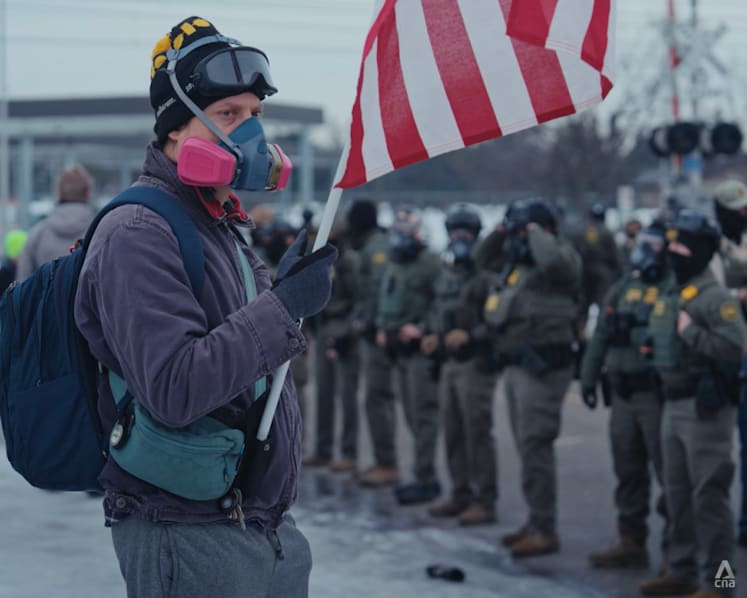
A protestor carrying the American flag as United States Customs and Border Protection officers gather in the streets.

This audio is generated by an AI tool.




MINNEAPOLIS: A day after a United States Immigration and Customs Enforcement (ICE) agent shot dead Renee Good, a 37-year-old American, two teenagers drove six hours to the city where she was killed.
Ben Luhmann, 17, and Sam Luhmann, 16, had been observing immigration raids in their home town of Chicago, just as Good had been doing in Minneapolis. And now they wanted to film ICE arrests in her city.
It was a city swept up in an ICE surge, and the brothers wasted no time in following federal agents. Their videos show them being warned about getting arrested — and them riposting that they were not impeding but publicly observing.
They were also shot at with tear gas canisters and pepper pellets in a crowd of protestors.





“My heart always races when we’re interacting with ICE,” said Ben. “They’re kind of crazy guys with guns. But we have to fight against it.”
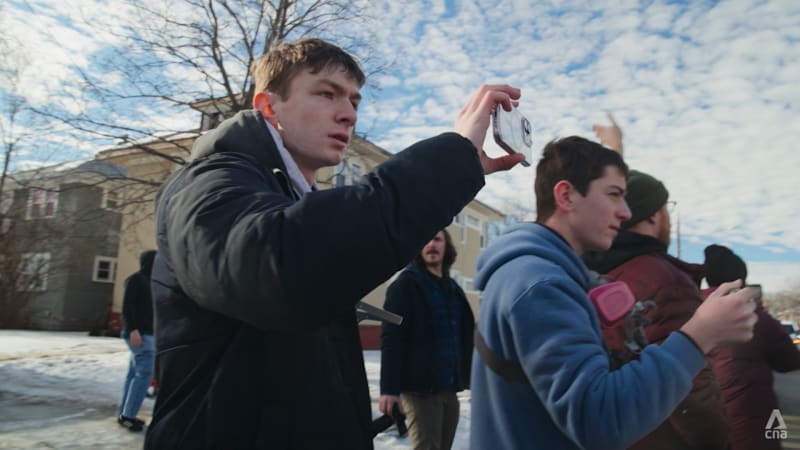
Sam added: “We can’t just ignore it and let it happen.”
And what is it they are hoping to achieve? “Right now there are no checks and balances in the system. And a lot of agents don’t even wear body cams,” said Ben.
“The biggest thing is just getting the documentation so that the courts can have the videos that they should be getting … and also so the American people can see what’s actually happening.”
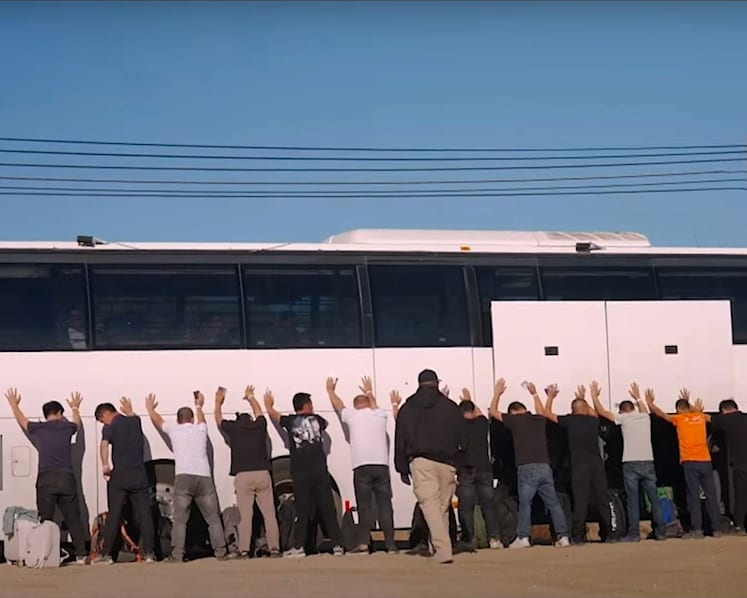
What is happening — at a time when the immigration raids sweep across cities and resistance grows on the streets — is the US is being torn apart by a battle over whom the American dream belongs to.

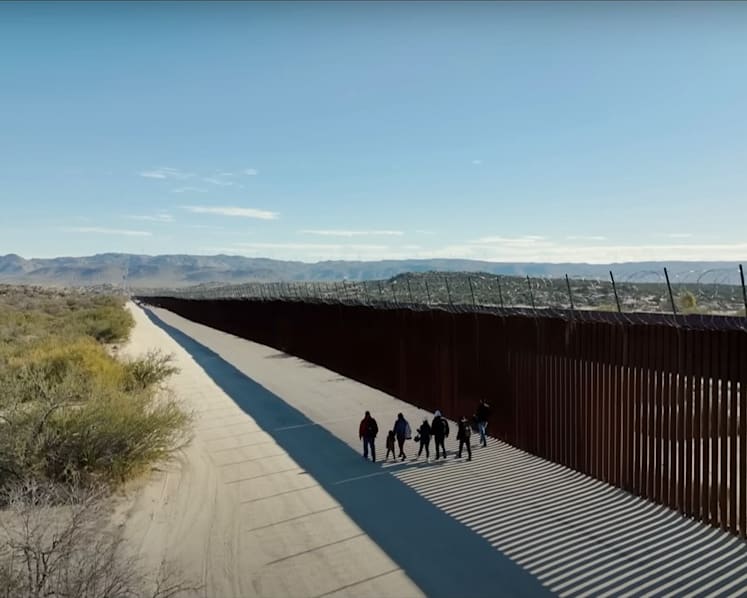
That was the dream a group of Chinese migrants risked everything for when they set out across Latin America more than two years ago to reach the US illegally.
And just as CNA tracked their journey in the documentary Walk The Line, senior correspondent Wei Du and her crew have returned to the US to check on them as they build new lives and hope to be granted asylum.
The follow-up series, Walk The Line: ICE Nation, not only reconnects viewers with these families, but also tells the story of a country that is no longer the same as the one they entered.
WATCH PART 1: They risked everything to reach America — What happened next (46:24)
STABLE LIFE, UNSTABLE EMOTIONS
The main profiles from the original series — called Dad, Mum and Lucy — have been living in Los Angeles, where Dad does deliveries, Mum works at a warehouse and Lucy is studying.
“(Lucy) is doing okay. Life has become more stable, and she’s made a lot of friends. We don’t really need to worry about her schoolwork,” said Dad.
Turning 16, she already has an idea for what to major in when she applies to college in about a year’s time. “She wants to study dead bodies. She wants to become a forensic pathologist,” Dad shared.
She also volunteers at a nursing home, reading stories to the elderly. As for Mum, work may be tough, “but she’s more patient than I am”, said Dad. “She can hold down a regular job. I can’t.”
As a delivery man now, he can work long hours, sometimes from around 9.30am to 9.30pm — as he did the day before he met Du, earning about US$220. “That’s why I’ve gained weight. I barely get any exercise,” he complained.
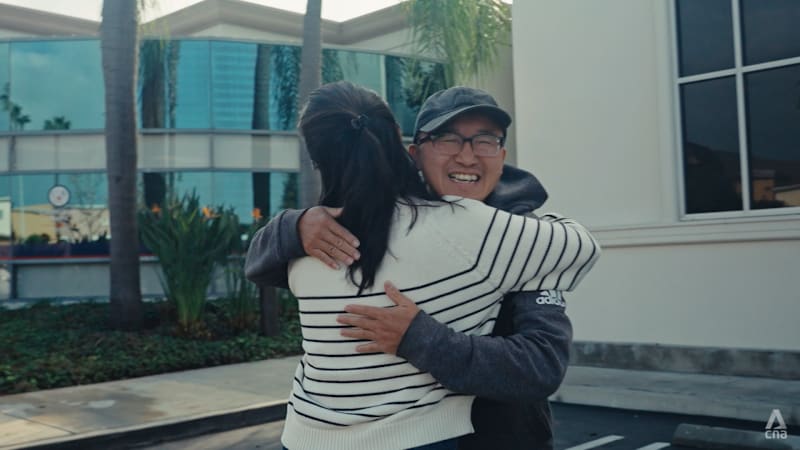
While the economy seems “a bit worse” compared with two years ago, his wife and Lucy “feel life is better here” than in China, he said. “Lucy doesn’t say it directly, but we can tell she really likes it here.”
Their asylum hearing is set for September. “But honestly, we don’t know. A lot of hearings get postponed when the time comes,” he said. “Everyone feels on edge.”
Among the migrants on Walk The Line previously, the Zhao family were set to be the first to have their asylum case heard in court — in January, while CNA was filming ICE Nation.
With the crackdown on immigrants, even asylum seekers, there had been times when Zhao Jie was “terrified” that his family of five would have to return to China.
“I was emotionally (unstable) for a while,” he said. “All of a sudden (sometimes), … I’d just want to cry. I just feel that I’ve let my children down.”
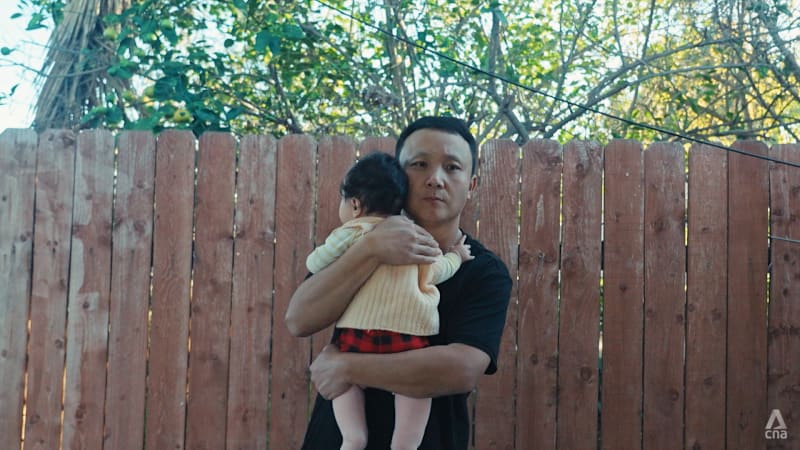
His family has also been living in Los Angeles. He makes about US$3,000 a month through food deliveries, which is “just enough to get by”. But for him, coming to America was not about the money.
What matters to him is to gain “freedom from fear”, he said, having had run-ins with the authorities in Henan province during the pandemic and when the government seized the family’s home to pave the way for a new development.
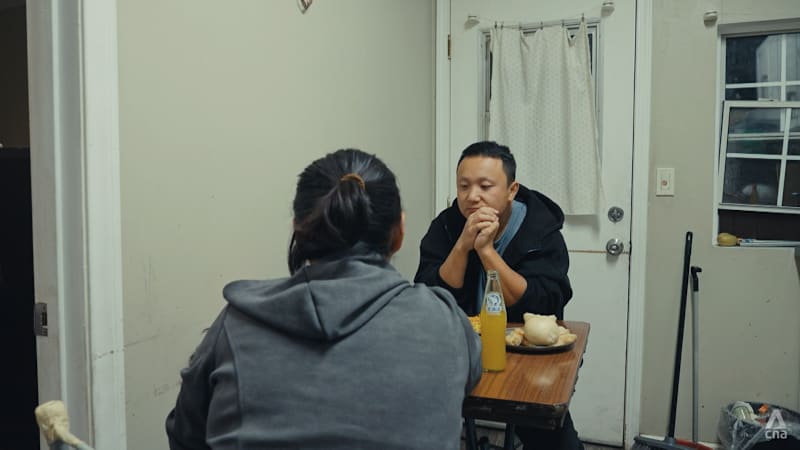
So, the night before the family’s asylum hearing, he was a bag of nerves. “What if this ends up being our last supper?” he remarked to his wife over dinner.
“I don’t think I’m the kind of person who was meant to take this path.”
He remained nervous the next day as he waited for the hearing, which was to be held via video link. But in the end, the case was transferred to another court. The new hearing is scheduled for later this year.
JUDGES FIRED, DISAPPROVAL GROWS
Lucy’s family and Zhao’s family are facing a situation shared by millions of migrants. Since last January, more than 100 immigration judges nationwide have been fired, creating confusion for migrants who have waited for years to have their cases heard.
San Francisco’s immigration court is the hardest hit. After 17 departures, four judges remained on the bench at the end of this January. Last week, the Trump administration closed the city’s immigration court for good.
Chen Shuting, one of the judges who was fired, highlighted that US immigration courts are not part of the independent judiciary but come under the Department of Justice, “which is under the direction of the president”.
She lamented the “degree to which judges have been fired without cause and the many directives that have been issued from above about how immigration judges should do our jobs”.
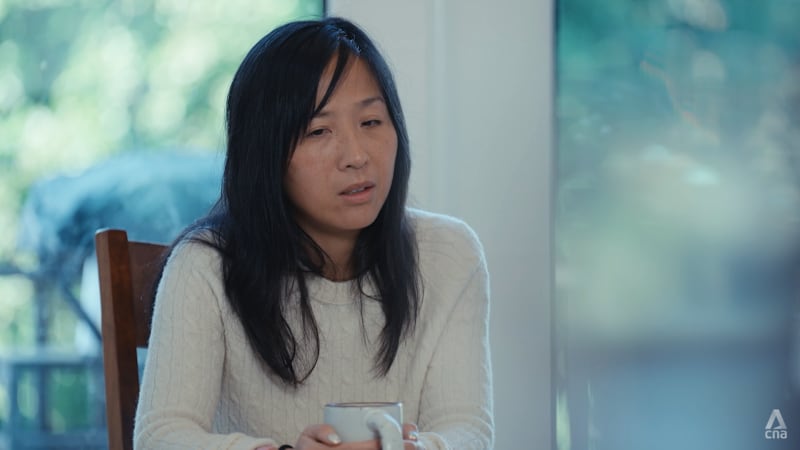
“The politicisation of the immigration bench is unprecedented,” said the Harvard Law School graduate.
“The administration wants a deportation factory and not a court that’s dignified and that’s affording people due process and that upholds the rule of law. The more important thing is how many people we can deport and how quickly.”
Chen, whose parents came to the US legally when her father got a research job at the Medical College of Georgia, recognised that her family “were at the right place at the right time” to have “opportunities presented” to them.
“But we’re not the only people who are trying to come to the United States,” she said. “While, as a judge, I’d prefer everybody to undertake a visa process if they can, I know that’s not realistic for everybody.”
WATCH PART 2: When to call it quits? Migrants face life in limbo in the US (46:48)
At the same time as immigration judges were fired, the administration poured money into ICE and Border Patrol, doubling the size of ICE with 12,000 recruits last year before attrition.
The agencies’ actions are facing growing scrutiny, however. Recent surveys show that most Americans disapprove of how immigration raids are conducted.
One of those Americans, Aleah Arundale, voted for President Donald Trump each time he ran for president, sticking with the conservative camp because of her children and family values, she said.
But when ICE came to Chicago last year, she emerged as one of its most effective foes, helping migrant families stay out of sight by organising grocery deliveries and school transfers for their children.

“There’s a huge difference between closing the border and dragging people away from their homes and taking away their children,” she said.
“You know what the number one cause of crime is? … It’s fatherlessness, it’s broken families. And what we’re doing, though, is so stupid because we say we’re getting rid of criminals. We’re creating criminals because we’re destroying families.”
She has become the temporary legal guardian of the children in nine migrant families.
“The greatest fear I have is people losing their kids,” she said. “(The parents) know that if they’re ever separated, I’ll get them … together. I’ve helped reunite families.”
Chen and Arundale are among many Americans viewers will meet in ICE Nation. Then there are the Luhmann brothers and their parents, evangelical Christians who are raising eight children.
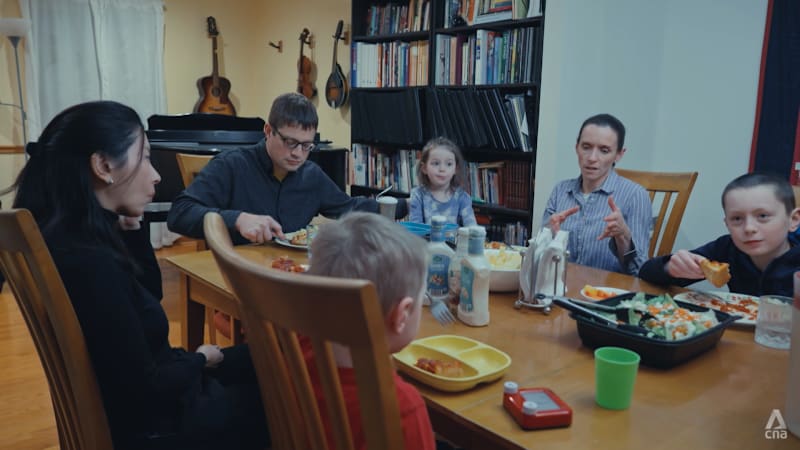
“The people impacted by this issue can’t take a break because they’re living it every single day,” said Ben. “The people that aren’t hurt by the issue should be the people out (there) fighting, because oftentimes, they have more privilege.”
The brothers, who are home-schooled, even brought their textbooks and laptop to Minneapolis to continue studying in the three weeks they spent there.
“They’ve been learning a lot ever since they started this work,” said their father, Andrew, a university professor. “They’ve been reading about the laws. They’ve been learning a lot about our Constitution.”
While people may have questioned why the teens are not finishing their schooling first, mum Audrey sees it differently. “They’re getting to have active learning experiences, with civic engagement and communication and leadership and political history,” she said.
“Also, this is their future. They feel so much ownership of what happens because they’re the ones that have to inherit the trajectory that our nation goes (on) from this.”
Walk The Line: ICE Nation premiered on Thursday. Watch the series here: Part 1 and Part 2.