Commentary: China’s gold rush comes to Xi's tariff-free paradise
Sales have soared in duty-free shopping hub Hainan, but the Chinese middle class isn’t actually consuming, says Shuli Ren for Bloomberg Opinion.
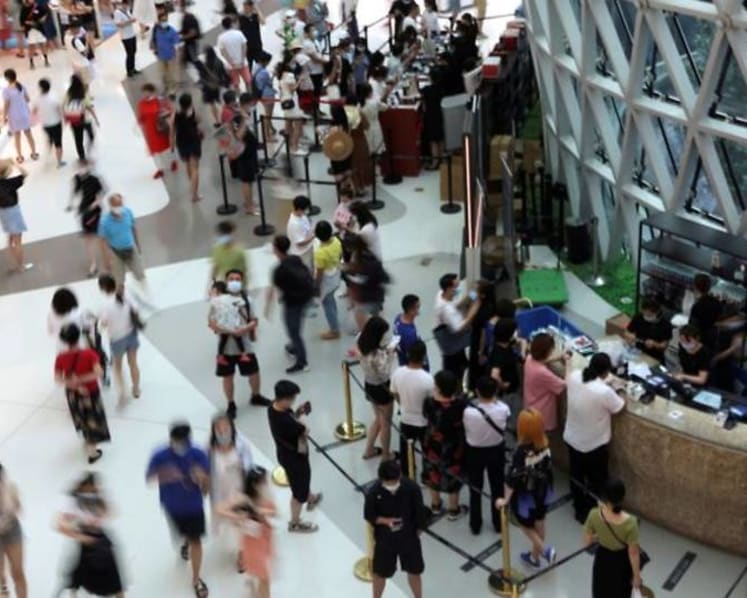
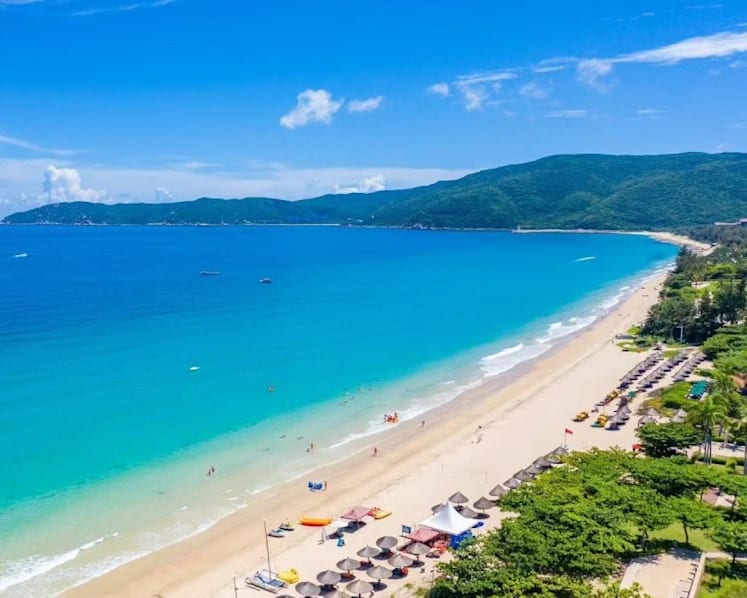
HONG KONG: Three months after China declared Hainan the world’s largest “free-trade port”, the tropical island off the country’s southeastern coast has become a shopping paradise for those who believe in the beauty of gold.
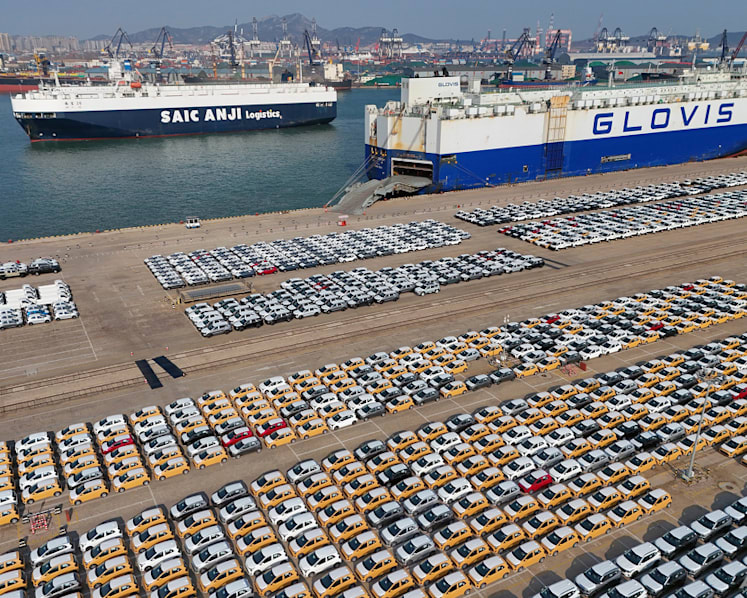
Best known for palm trees and beachfront resorts, the island has been marketed as a major gateway for what President Xi Jinping called the era of “opening up”. Beijing wants to show the world that China isn’t only a major exporter – the trade surplus notched a record US$1.2 trillion last year – but is keen to welcome foreign imports. The free-trade label serves as a snub to the Trump 2.0 tariff policies to choke globalisation as we know it.
Hainan has been a duty-free shopping hub for years, but Beijing is taking a step further. Most goods can now enter with zero tariffs.
The island’s 10 million residents are granted duty-free shopping of 10,000 yuan (US$1,450) per year. Visitors from mainland China (and the smaller number of foreigners), while still subject to a 100,000-yuan annual quota, have more items to choose from. In addition, goods processed in Hainan can be shipped to the mainland tariff-free, as long as the processing work results in a 30 per cent value-add.





Xi already has something to show for this move.
Duty-free sales jumped 44.8 per cent from a year ago to 4.5 billion yuan in January. The fervour continued into this month’s Chinese New Year break, increasing 19 per cent to 1.4 billion yuan in the first five days of the holiday.
The state-owned China Tourism Group Duty Free, by far the biggest operator with 85 per cent market share, can finally expect to reverse a two-year downward revenue trend.
But digging deeper, one has to ask if these statistics alone can change the narrative that the rest of the world has nothing to sell to China, and that its consumers have little appetite to buy foreign imports, especially luxury products. Unfortunately, this isn’t about rediscovering a taste for Hermes scarves and Chanel handbags.
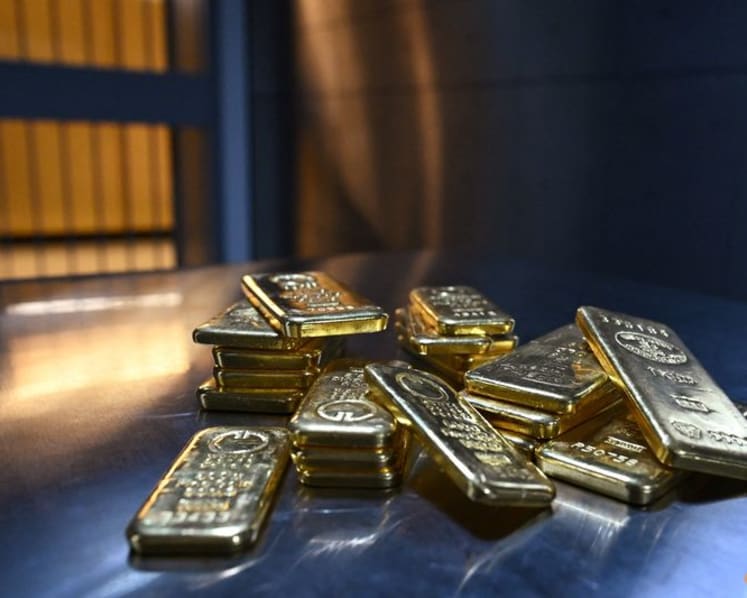
Rather, gold jewellery is by far the most sought-after item, constituting the bulk of shoppers’ annual quota.
BUYING GOLD CHEAPLY
China’s middle class is indeed responding to Hainan’s zero-tariff policies, but not by consuming. They’re speculating and arbitraging instead, hoping that the gold price, which has reached a high of US$5,417 per ounce this year, will keep on rising.
Duty-free in this sense is more a commodities floor than a shopping mall.
Social media is flush with tips on how to buy gold cheaply. For instance, on Dec 18, 2025, the day of the tariff-free launch, gold cost 1,177 yuan per gram at Chow Tai Fook Jewellery Group’s stores in Hainan, 13 per cent cheaper than the price in Guangzhou.
Buy enough and it’s easy savings, even considering the 1,500 yuan cost of a round-trip air ticket.
The island government has also been offering subsidies, giving out as much as 4,000-yuan consumption vouchers for every 50,000 yuan spent. A 40g plain bracelet, which retailers charge minimum with processing fees, can be 20 per cent cheaper.
But one needs to be fast and vigilant; the coupons run out as soon as they become available online. To be a smart shopper in Hainan, some bloggers joke, one must be good at math and quick with online coupon-clipping.
WILL HAINAN BE MORE THAN A PUBLICITY STUNT?
Ultimately, this is no more than shoppers managing China’s shifting tax policies.
In November, Beijing scrapped a long-held tax break and no longer allows retailers on the mainland to offset a value-added tax when selling the precious metal they bought from the Shanghai Gold Exchange. As a result, gold bugs are coming to duty-free Hainan instead.
Across China, the debasement trade is currently all the rage, and gold as an investment product is hot. Ample liquidity, aimed at stimulating the economy, has eroded interest that households earn from their bank deposits.
People are therefore purchasing gold, which doesn’t generate any income but has been on a tear that few other vehicles can match. Speculators have crowded in as the metal gained 13 per cent this year following 2025’s blistering 58 per cent run.
Will this demand hold up when the rally loses its momentum? And can Hainan’s retail sales figures be so impressive if the uncertainty of US President Donald Trump’s trade policies stop juicing the gold price?
Over the last year, from Berlin to Tokyo, the world’s largest exporting countries have reacted to US tariffs with protectionism, pushing for industrial policies that subsidised manufacturers dependent on overseas markets. China is no exception.
The Hainan free-trade port is clearly riding the anti-Trump zeitgeist, but has a long way to go to prove it’s more than a publicity stunt.