







Commentary: Your leftover blood samples are valuable to science – but they are often discarded
When leftover blood or tissue samples are disposed, we lose the opportunity to gain important medical knowledge, say academics from Yong Loo Lin School of Medicine.

This audio is generated by an AI tool.







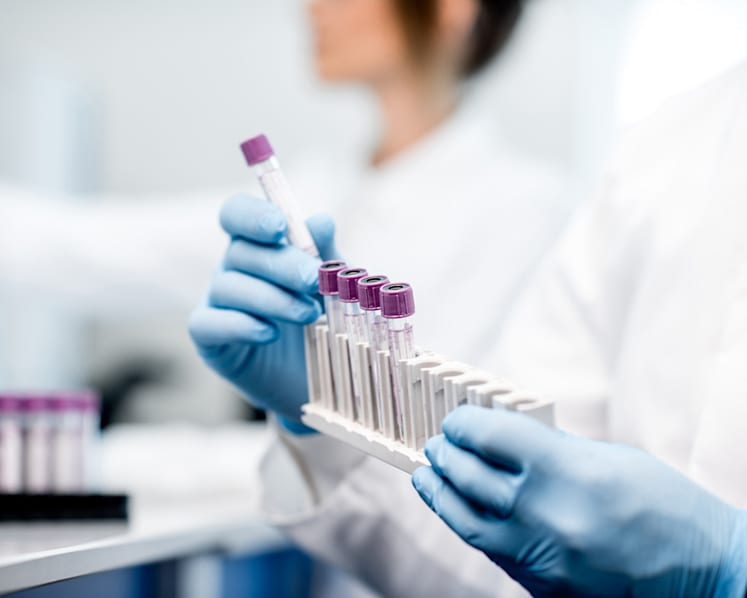
SINGAPORE: At some point or another, you probably have had some of your blood or tissue collected as part of your medical care. What you may not know is that not all of that material was needed. Some of it, perhaps leftover drops of blood in a test tube, almost always ends up being thrown away – in more technical terms, disposed of as “biological waste”.
There is an important second sense of “waste” that comes into play here: When we dispose of these materials, we lose the opportunity to gain important new medical knowledge. Each year, it is estimated that millions of biospecimens are discarded after clinical use, representing an immense untapped resource that could accelerate scientific discovery and improve healthcare outcomes.
Using high-tech biomedical techniques such as genome sequencing, metabolite profiling and microbiome characterisation, researchers can learn more about diseases by analysing biospecimens.
There are numerous examples of breakthroughs from this type of research. Analysis of stored breast cancer tissues has enabled the identification of genes that led to marked improvements in the treatment of this malignancy. The discovery of the role of BRCA genes led to the discovery that some women are at higher risk of breast cancer, and that they can take important steps to reduce their risk of dying from that disease.





Furthermore, elucidation of the role of the HER2 gene in breast cancer was a monumental discovery which continues to bear fruit, allowing the development of treatments that have dramatically extended survival times for many breast cancer patients.
Research with biospecimens also led to the discovery that human papillomavirus (HPV) is a major cause of cervical cancer, which in turn enabled the development of a vaccine. The vaccine is offered to Secondary 1 female students in Singapore, with the uptake being around 90 per cent in 2022, reducing the incidence of HPV-associated cervical cancer.
THE BARRIER TO BIOSPECIMEN COLLECTION
Given the potential benefits from this research, the case for saving every single drop of blood or every piece of excess tissue is clear. However, well-intentioned rules designed to protect patients have made this a challenge.
In Singapore, the Human Biomedical Research Act (HBRA), passed in 2015, lays out the ethical conduct of human biomedical research. In appropriately protecting privacy and confidentiality, biospecimens are only given to researchers after they have first been stripped of information that would allow the researchers to identify the people whose biospecimens they are getting.
But a major barrier to making the most successful use of biospecimens in research is the requirement for obtaining the consent of each person before their biospecimen can be used, or even before it can be saved and stored for possible future research.
Researchers must usually obtain either consent for the specific study in which the biospecimen will be used, or a “broad” consent to the types of future studies for which it might be saved. Such rules aim to respect patients’ autonomy.
However, there are several reasons to question the appropriateness of consent requirements. Indeed, there appears to be a recent trend around the world of public support for the removal of active consent procedures as societies become increasingly aware of the drawbacks.
ARGUMENTS FOR RELAXING CONSENT REQUIREMENTS
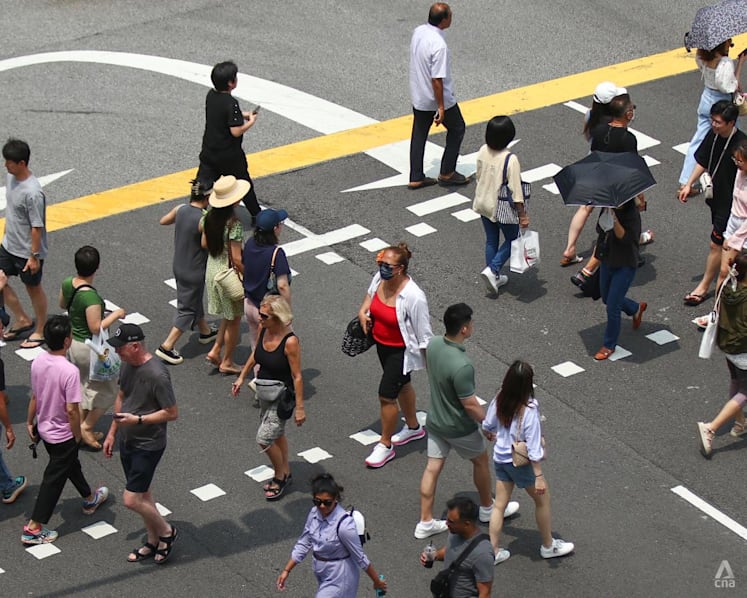
There are several arguments in favour of relaxing consent requirements. First, the benefit society gains from a wider pool of biospecimens outweighs the benefit individuals gain from preventing the use of their biospecimens in research.
Assuming that stringent protections for privacy and confidentiality are built into the rules for conducting medical research – as is already the case in Singapore – the use of a person’s biospecimen for research has almost zero impact on his or her life. In contrast, combining the biospecimens from many thousands of patients can yield an almost limitless amount of new medical knowledge.
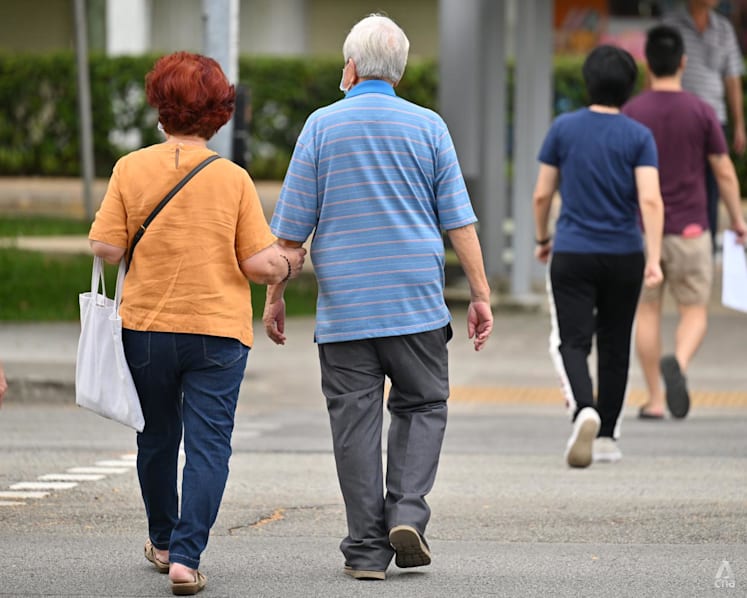
Second, the need for consent-taking can end up harming racial minorities and other groups of patients who are less well-represented in medical research. Historically, a great deal of research has taken place on Western populations. The result is that there is much less knowledge available about the specific ways that medical treatments need to be shaped for Southeast Asian populations – including Singaporeans.
To counter that long-standing problem, we need to do everything possible to accelerate the growth of information about the genetics of Southeast Asians. Putting up consent barriers would be going in the wrong direction.
Third, a consent-taking procedure does not directly minimise the risks of re-identification or other privacy breaches. Paradoxically, it increases the risks to participants. It makes it a requirement for anonymised bio-specimens to be tied to the consent forms for verification purposes, creating an unnecessary linkage between the biospecimen and the donor, thus making breaches of confidentiality easier.
AN OPT-OUT SYSTEM
There actually exists a much better model for dealing with consent issues relating to biospecimen research in Singapore: the Human Organ Transplant Act (HOTA), which creates an “opt-out” system for organ donation.
In Singapore, you have the right to specifically put yourself on a list saying that you do not want your organs to be used for transplantation purposes after your death. But if you fail to take that action, the default is that your organs will be available for transplantation.
A similar rule could be used in the case of research with biospecimens. It would allow anyone to object to the use of their biospecimens for research. But for those who do not, their biospecimens will otherwise automatically become available to be stored and used for research.
Far fewer biospecimens will be inappropriately trashed. And a great deal of the time, effort and money spent in obtaining consent will be saved, freeing it up to pay for the actual conduct of research.
It would be a huge win if more specimens were made available for medical research on the unique aspects of the Singaporean population. This would go extremely far in fostering a much more conducive environment for local biomedical research without offending key bioethical pillars.
Shaun SE Loong and Kylie Heng are Clinician-Researchers, and Roger Foo is former Director of the Cardiovascular Metabolic Translational Research Programme, Yong Loo Lin School of Medicine, National University of Singapore. Jerry Menikoff is Professor of Bioethics at the Centre for Biomedical Ethics, Yong Loo Lin School of Medicine, National University of Singapore.
The authors published an academic paper on this topic with Gini W W Wong, Athena Ham, Aaron D’Sa and Mayank Dalakoti.




