Two Myanmar-based scam syndicates ‘completely dismantled’, says China’s top court
The dismantling of the Ming and Bai criminal groups is a “powerful blow to the arrogance of criminals", says China’s Supreme People’s Court.


This audio is generated by an AI tool.
BEIJING: Two major Myanmar-based criminal groups behind cross-border telecom scams have been “completely dismantled”, China’s top court said on Thursday (Feb 26), with 16 people sentenced to death.
The Supreme People’s Court (SPC) said trials involving the Ming and Bai families - described as two of the so-called “four major families” controlling criminal networks in northern Myanmar - have concluded.
A total of 39 people received life imprisonment or harsher penalties, including 16 who were sentenced to death, an SPC spokesperson said in a press conference.
“These two cross-border armed criminal groups were completely dismantled, delivering a powerful blow to the arrogance of criminals both inside and outside the country,” said the spokesman.
On Jan 29 and Feb 2, Chinese authorities said they had executed convicted members of the Ming and Bai criminal groups, including senior figures.
In its Thursday press conference, SPC said that by the end of 2025, courts across China had concluded more than 27,000 cases involving telecom fraud related to northern Myanmar.
More than 41,000 repatriated offenders involved in such cases have been sentenced, it added.
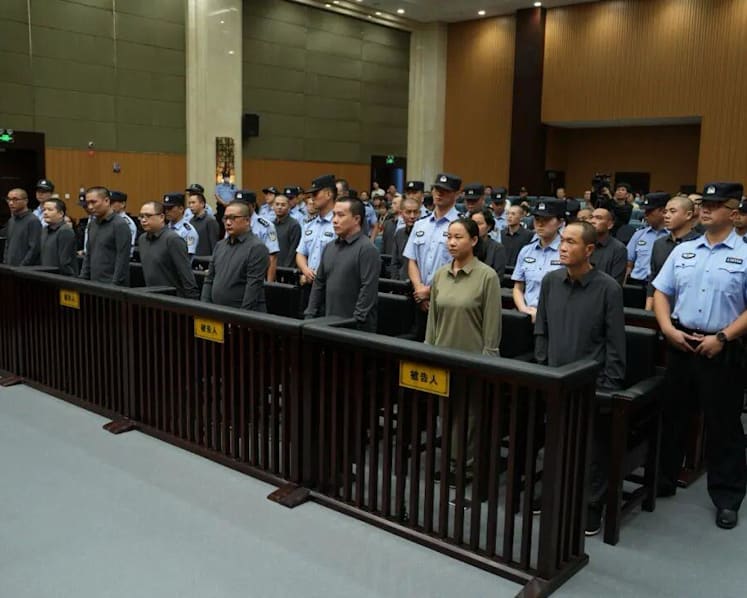


The announcement marks the latest stage in China’s sweeping crackdown on scam compounds operating in Southeast Asia, particularly along the border regions of Myanmar and Cambodia.
While some individuals join the scam operations voluntarily, others are trafficked foreign nationals forced to work under coercion.
Beijing has led an international pressure campaign to dismantle the scam hubs, with Chinese authorities expressing willingness to work alongside more countries to strengthen international law enforcement cooperation against global scam syndicates.
Despite the crackdown, SPC cautioned on Thursday that telecom and online fraud crimes remain at a “persistently high” level and have become increasingly organised and cross-border in nature.
“The overall criminal situation remains severe and complicated, with crimes increasingly becoming a global public nuisance and a challenge to global public security governance.”
In some cases, telecom fraud operations were also linked to violent crimes, including murder, kidnapping, unlawful detention and human trafficking, the court added.
“These (crimes) cause extremely serious social harm and severely undermine people’s sense of wellbeing and security,” it said.