Better housekeeping needed to stamp out rodents: Grace Fu
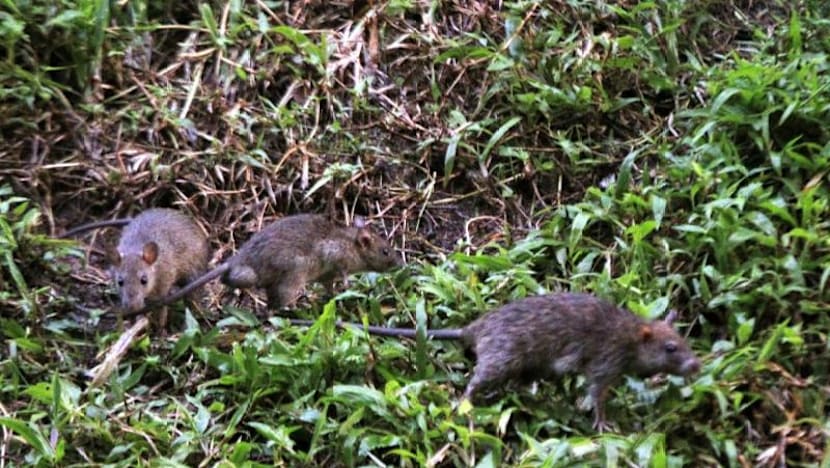
TODAY file photo of rat infestation at Bukit Batok.
SINGAPORE — The National Environment Agency (NEA) detected and chemically treated more than 35,000 rodent burrows from January to November last year.
The agency said the numbers reflect the importance of good housekeeping habits that owners of premises, especially operators of food establishments, need to practise, such as adopting refuse management regimes.
“The key to rodent control is to eliminate food sources,” said Second Minister for the Environment and Water Resources Grace Fu, responding to Member of Parliament (MP) for Tanjong Pagar GRC Chia Shi-Lu’s queries in Parliament today (Jan 20).
When asked by MP Penny Low (Pasir Ris-Punggol GRC) what the reason was for the recent spate of rodent infestation, the minister cited the availability of food sources for rats. Ms Fu said the best way to eradicate rats was to ensure such sources were not present.





Enforcement was also key, she added, in particular stepping up inspections and operations.
Last month, a rat infestation next to Bukit Batok MRT Station horrified commuters and residents. The rodents were snuffed out over several weeks after the authorities took action.
Meanwhile, the NEA also found more than 16,000 mosquito breeding sites in the first 11 months of last year — a 19 per cent fall from the same period a year earlier.
Ms Fu, who is also Minister in the Prime Minister’s Office, said dengue continues to be a problem despite the drop in breeding sites found. However, new measures were introduced last year and the NEA’s Gravitrap surveillance programme has caught about 32,000 mosquitos.
The NEA has also tightened surveillance and enforcement efforts in high-risk premises, such as construction sites, said Ms Fu. Since January last year, 120 Stop Work Orders were issued to construction sites to ensure proper mosquito control measures were in place before any work was allowed to resume.
The minister said the NEA was exploring ways to control the local dengue-carrying Aedes aegypti mosquito population, such as the use of male mosquitos that carry Wolbachia — a type of bacteria that causes female mosquito eggs not to hatch.
Ms Fu added that all home and premises owners, town councils and managers of public areas need to take responsibility to minimise the breeding. “NEA’s officers cannot be everywhere all the time.”