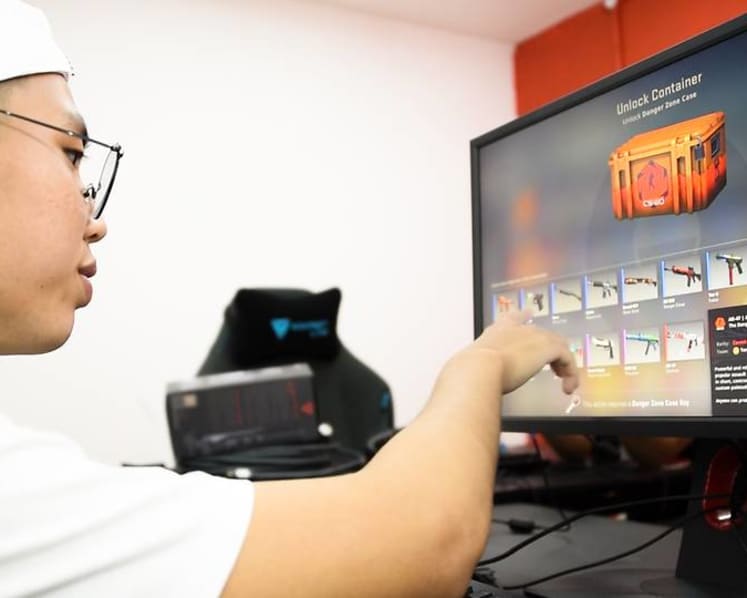
Singapore to regulate blind boxes to manage gambling risks: Shanmugam
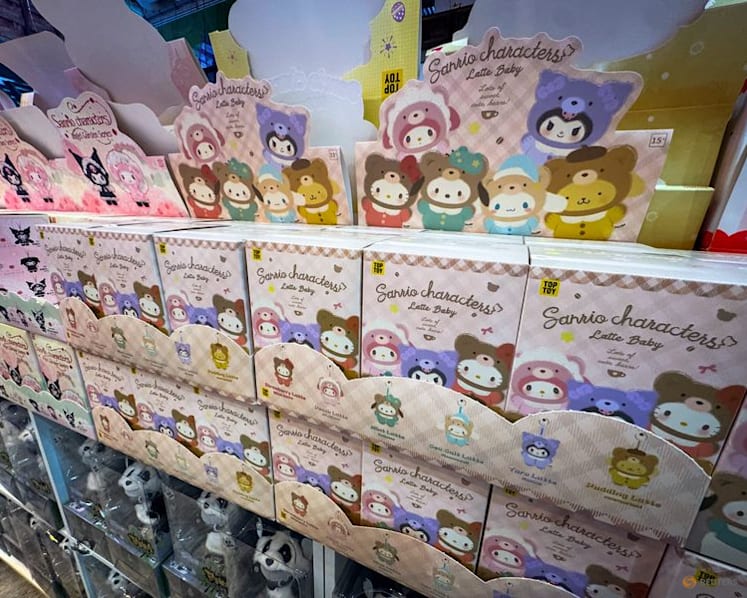
A Miniso retail store selling blind box products in Times Square in New York City, US, on Nov 12, 2025. (File photo: Reuters/Mike Segar)

This audio is generated by an AI tool.


SINGAPORE: Singapore will introduce regulations for the sale of blind boxes to address gambling-related risks, Minister for Home Affairs K Shanmugam said on Thursday (Feb 12).
Responding to a parliamentary question from MP Dennis Tan (Workers’ Party–Hougang) on whether the government would mandate disclosure of odds for blind box or “gacha” products, Mr Shanmugam said his ministry and the Gambling Regulatory Authority had studied the issue and decided to introduce conditions on how blind boxes may be offered.
"The regulations are being drafted," Mr Shanmugam said in a written reply.
"The member’s suggestion to have mandatory and standardised odds and probability disclosure will be among the points that will be considered for the regulations."





Blind boxes are sealed packages containing a mystery figurine or collectible from a series, with buyers unaware of the exact item until it is opened.
The Gambling Control Act allows for certain types of lower-risk gambling services, such as lucky draws, to be offered under a class licence regime, under which there is no need to apply for a licence from the Gambling Regulatory Authority.
The authority said on its website that more details on the class licence conditions for mystery boxes will be provided at a later date.
Listen:
Social service agency TOUCH Community Services previously told CNA such chance-based activities could pose potential concerns.
“The increasing normalisation of chance-based games and activities like blind box purchases poses a significant concern, especially for children and youths,” said Mr Shawn Soh, lead counsellor at the organisation’s counselling and intervention department.
“These purchases introduce the thrill of uncertainty and the potential for reward, which can quickly escalate into compulsive behaviour. The dopamine hit involved in blind boxes can trigger a powerful reward system in the brain, which can be highly addictive.”
Failing to get that one rare item can also trigger anxiety and depression, Mr Soh said.