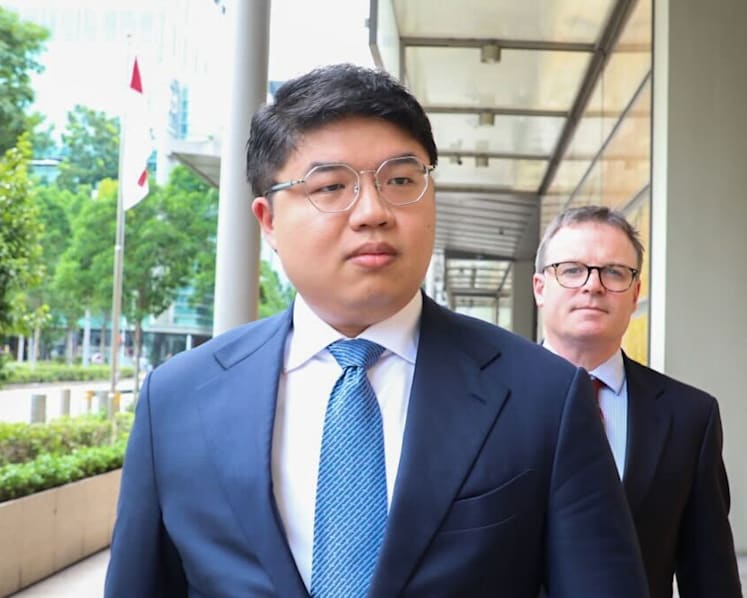
Bloomberg defamation trial: Oral submissions to be heard on May 22
The trial opened on Apr 7 and was adjourned after seven days of proceedings.

This audio is generated by an AI tool.
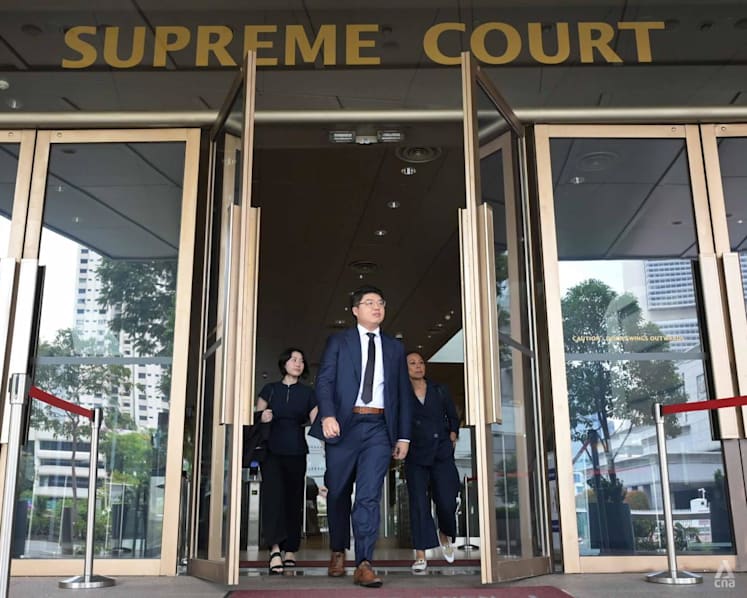
SINGAPORE: The High Court will hear oral submissions for the Bloomberg defamation trial on May 22, a judiciary spokesperson told CNA on Thursday (Apr 16).
The trial opened on Apr 7 and was adjourned on Wednesday after seven days of proceedings.
Closing submissions allow both parties to summarise the evidence presented in court and persuade the judge to rule in their favour before the trial concludes.
The court can either choose to hear oral submissions or seek written submissions.
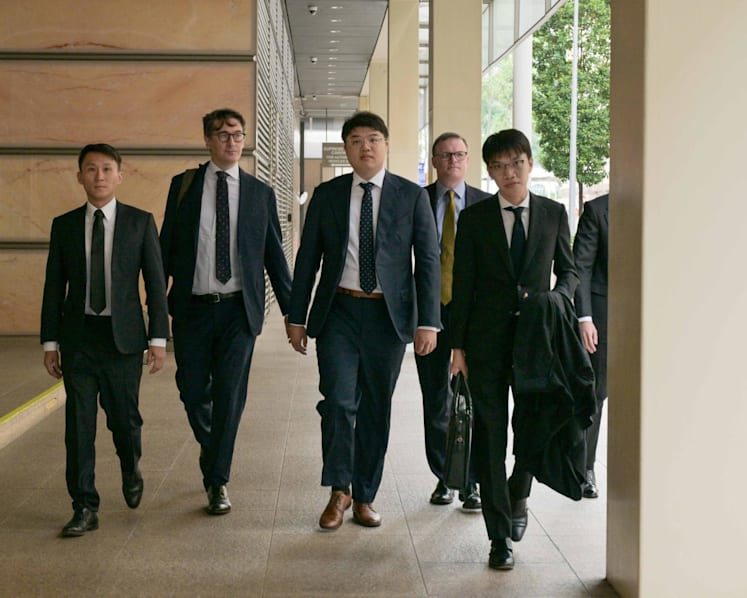
The case was brought against Bloomberg and one of its reporters, Mr Low De Wei, by Home Affairs Minister K Shanmugam and Manpower Minister Tan See Leng.
Related:


WHAT THE TRIAL IS ABOUT
Mr Shanmugam and Dr Tan sued Bloomberg and Mr Low for an allegedly defamatory article in December 2024 about Good Class Bungalows (GCBs) titled "Singapore Mansion Deals Are Increasingly Shrouded in Secrecy".
The article mentioned Mr Shanmugam selling his GCB in Astrid Hill for S$88 million (US$69 million) to UBS Trustees when he had bought it for S$7.95 million in 2003. It also referenced Dr Tan buying a GCB in Brizay Park for nearly S$27.3 million.
The ministers alleged that the article had defamed them by suggesting that they had taken advantage of the lack of checks and balances and disclosure requirements in carrying out property transactions in a "non-transparent manner".
So far, Mr Shanmugam has testified that he formed the view from a series of internal Bloomberg emails that he was being targeted.
He claimed the story was presented as an article about a broader trend in GCB transactions but was really meant to justify writing about his property transaction, and that the emails discussed getting a way to get the story out by wrapping it into a broader story.
Bloomberg's defence lawyer has argued that the minister had been told early on that his transaction would be mentioned in the article, and early "drafts" or iterations of the article did not even mention his name.
The Bloomberg article said that more people are buying mansions using trusts to keep their identities private, and that buyers pay a premium for transactions "under the radar".
Mr Shanmugam said this was "utter nonsense" and that a caveat being filed or not does not affect the price agreed on between the buyer and seller.


The article had also stated that non-caveated deals are "harder to track" because they do not show up in an Urban Redevelopment Authority (URA) database. But Mr Shanmugam contended that while a non-caveated deal does not appear in the URA database, it can be found in a Singapore Land Authority (SLA) database after the deal is completed.
Because transaction records have to be filed with government agencies, not filing a caveat and using a trust for the transaction does not make the transaction a secret one.
Dr Tan testified that he did not understand why his property transaction was described as "off the radar" since it would appear in public records eventually.
The difference between a caveated and a non-caveated deal was that it took some weeks before it showed up in public records, he said.
The defendants produced the senior executive editor of Bloomberg News Madeleine Lim, as well as Mr Low as witnesses.
Under questioning, Mr Low admitted that it was possible for the public to search for property information relating to buyers, sellers and purchase prices through a government-run database, albeit with effort and expense.
Senior Counsel Davinder Singh, representing both ministers, also accused the journalist of an editorial "agenda" to link two ministers' property deals to money laundering, but Mr Low maintained his article was not about money laundering.
Mr Singh additionally sought to show that the article was misleading in its use of a chart depicting GCB deals, as well as editorial choices and words like "political fodder" used to describe Mr Shanmugam's property sale.
All these, Mr Singh argued, allowed Mr Low to write a "fictional piece full of falsehoods" to target his clients.
Mr Low rejected all of Mr Singh's allegations, maintaining that his piece was factual.
Presently, the article continues to be available online, although it carries a correction notice under the Protection from Online Falsehoods and Manipulation Act.
Bloomberg has said that it "respectfully disagrees" with the correction notice and reserves its right to appeal and challenge it. The news outlet has also said that it stood by its reporting.