







Blueprint for infocomm media sector promises 16,000 new jobs by 2020
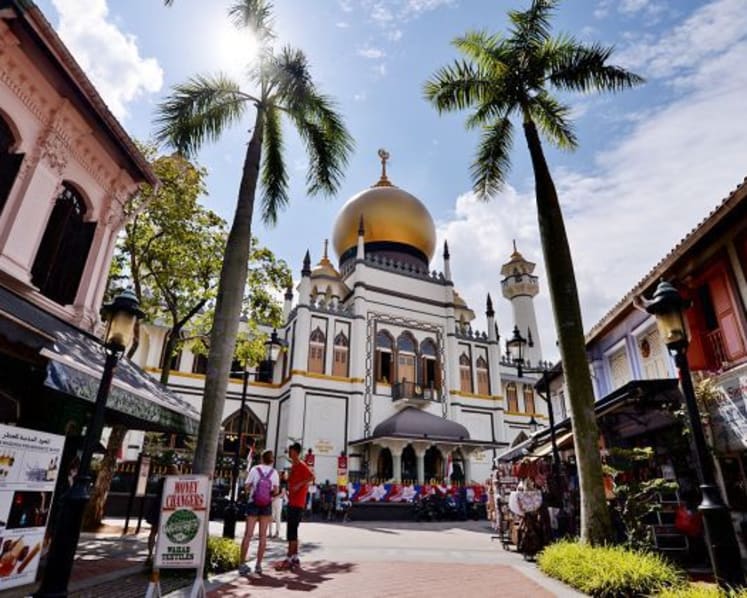
The ‘digitalisation’ of Kampung Glam is a collaboration between the IMDA, SPRING, the Singapore Malay Chambers of Commerce and Industry (SMCCI) and the One Kampung Gelam association. TODAY file photo


SINGAPORE — Some 16,000 new jobs — of which 13,000 are white-collar positions — are expected to sprout in the infocomm media sector by 2020, with expectations of 6 per cent annual growth, or twice the rate of the overall economy.
The robust outlook was outlined in the Industry Transformation Map (ITM) for the sector unveiled on Friday (Nov 3), with Minister for Communications and Information Yaacob Ibrahim noting that the surfeit of opportunities in the industry “stands in stark contrast to the larger backdrop of the global slowdown”.
The Infocomm Media Development Authority (IMDA) said the ITM will drive capabilities in four frontier technologies: Artificial Intelligence and data analytics; cybersecurity; immersive media; and Internet of Things.
It will also prepare workers and companies for future job roles and business opportunities, and nudge more firms to adopt digital technology to up productivity and efficiency. For instance, a digital guide, available free online, will be rolled out by the end of this month letting SMEs assess their state of growth and possible ways they can tap IT.





One area that will attempt a technology upgrade is Kampung Glam.
Imagine tucking into a dish of murtabak at the famous Zam Zam restaurant there while reading about the eatery’s history since 1908 on a mobile app. With a few flicks, map your route to the old school bakery Dong Po Colonial Cafe.
Entering the cafe, there could be a kiosk showing you the bestselling items and paying for purchases could be as simple as a wave of your mobile phone, saving tourists the hassle of figuring out what each note’s denomination is.
Shop owners could also be armed with a heat map of its interiors to track traffic, giving them a better understanding of which spots are the best for catching a shopper’s attention.
These are among a host of technology being considered to give the iconic precinct a digital facelift, as the authorities work on helping businesses ramp up their IT infrastructure and refresh a visitor’s experience in the area.
The IMDA has plans to create an AI apprenticeship programme, which aims to train 200 professionals over the next three years. Under this full-time nine-month programme, young professionals within three years of graduation, who have worked in Science, Technology or Engineering disciplines will obtain skills through mentorship and on-the-job training experience.
A programme under the National Research Foundation called AI Singapore was set up in May this year, and received S$150 million in funding to increase AI adoption, research and innovation in the Republic.
The IMDA will also be looking at setting up a national speech corpus, which is a collection of audio and text files. A speech corpus is essential for AI technologies like Automatic Speech Recognition to function.
Unlike other global speech corpuses, the IMDA is looking to include transcriptions of words spoken in Singaporean accents.
Technology providers, educational and research institutes will then be able to tap on the national speech corpus to create speech-enabled applications for various other industry uses.
An IMDA spokesperson said that for example, this might create more efficient corporate hotlines with technology that is able to decipher audio questions from consumers straightaway, instead of having them manually press keypad buttons to direct the system.




