







Car insurers turn to telematics to lower risks, deter fraud
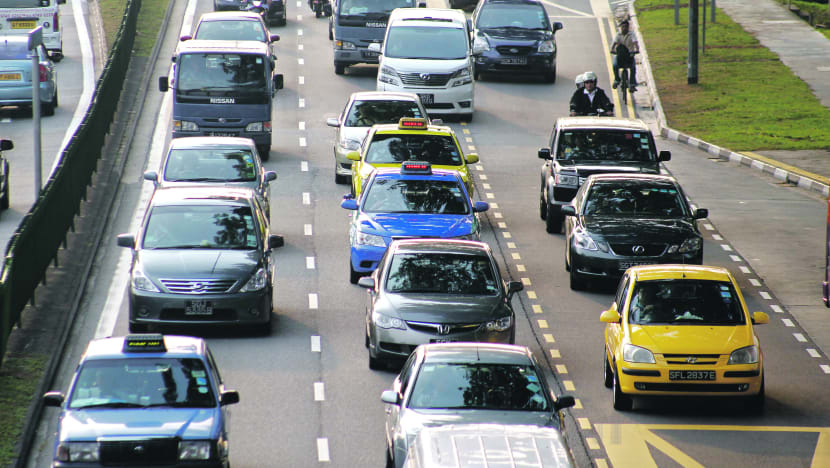
TODAY file photo


SINGAPORE — While still in its nascent stages, telematics, or the use of computers and wireless telecommunications technologies to transmit data, is the next big thing in the motor insurance industry here.
Two months ago, insurance firm MSIG Insurance began a six-month pilot study, in partnership with automotive technology supplier CSE Group, to test the viability of leveraging on telematics in the Republic. Under the pilot, a small device that records and transmits driving data is installed in a vehicle, tracking the driver’s distance and speed, among other things.
When contacted, AIG Asia Pacific Insurance and NTUC Income said they were also looking into telematics but did not elaborate. Last year, AIG Asia Pacific Insurance conducted a road safety research survey which found, among other things, that 68 per cent of Singaporean drivers would consider installing a telematics device in their cars so they can pay for their automobile insurance premiums “based on how much they drive”, said its head of auto Manik Bucha.
Telematics solutions provider Cartrack Singapore, meanwhile, said it was working with two insurance companies here to provide insurance telematics, although it could not reveal their names.
The firm, which serves both individuals and corporate clients with a vehicle fleet, has seen rising demand for telematics since its Singapore office was set up in 2012. As of February, it has installed telematic devices in about 6,000 vehicles — twice the number a year ago. Pointing out the vast possibilities for telematics in motor insurance, Cartrack Singapore chief executive officer Evert Ong said: “It totally changes the way the motor insurance industry sees the risk factors, because now they have actual data of the particular driver.”
The potential benefits, he said, include lower premiums for clients because of a greater awareness of their driving styles. It also allows insurers to underwrite lower risks and have a means to deter claims fraud.
The same platform could also be tapped during times of emergency, to pinpoint the vehicle’s location and despatch help, Mr Ong added. Nanyang Technological University senior research fellow Gopinath Menon noted that unsafe driving habits could also be detected and drivers could be counselled or re-trained. “If drivers are aware that their actions are being tracked, they might exercise more care in driving,” he said.




