







Cigarette sales down as shops comply with product display ban
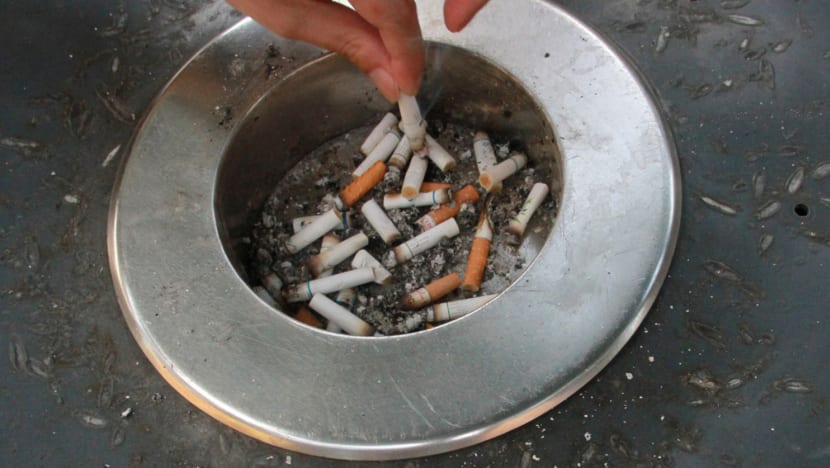
TODAY file photo
SINGAPORE — Three days after the display of tobacco products was banned in shops, retailers are saying that cigarette sales have gone down, with some who took earlier measures reporting a drop of up to 30 per cent.
Smokers said that they have not been personally affected because they know which stores to patronise, while other sellers support the move as a way to stop youth from smoking or picking up the habit.
The ban is part of the Health Ministry’s ongoing efforts to enhance public health and cut down the prevalence of smoking in Singapore. It was announced in July last year after amendments to the Tobacco (Control of Advertisements and Sale) Act.
All general retailers will not be allowed to display cigarettes, cigars, and other tobacco products within the direct line of sight of the public, and must use plain, undecorated containers to store them. A text-only price list will be shown only upon a customer’s request.





This is to help reduce non-smokers’ exposure to the advertising effect of such displays, and to help smokers who are trying to quit avoid impulse buys.
When approached by TODAY, several shops in Bartley, Clementi, one-north and Toa Payoh reported that they have seen a 10 to 30 per cent drop in cigarette sales since they started complying with the new rule.
Mr Kanaga Rajan, 59, owner of Rajan Mini-Mart in Upper Paya Lebar, said that the number of cigarette buyers fell by 20 per cent after he stowed away the packs in an indistinct grey cabinet behind his cash register a week ago.
He rarely gets new customers now, only regulars.
Not only do new customers have the burden of asking if he sells cigarettes at all, many of them are also foreign workers who are “less well-versed” in the brands sold in Singapore, Mr Kanaga added.
Mr Syed Abu Backer, 59, who runs Mubina’s Kiosk at Toa Payoh Central, has the same experience, saying that most of the cigarette buyers who frequent his store are from China and there is a communication barrier.
“If they don’t know the name (of the brand) ... I cannot open the whole display for them now,” he said, adding that there has been a 30 per cent decrease in cigarette sales since July 23 when he stopped putting them out.
Several elderly customers, he observed, assume that he does not sell cigarettes any more.
“Some of them just stand there (to check) before walking away, unless they bother asking us.”
Other shopkeepers, however, welcome the ban. Mr Mohamed Ashiq, 28, an assistant manager at ReFresh, a minimart in Queenstown, said it is “better for the children”, even though he lost a third of the customers who buy cigarettes in the first few weeks of covering up the products in June.
Franchise convenience stores in Clementi also reported a 10 to 20 per cent fall in cigarette sales especially in the first week after they took measures to hide displays. However, sales have slowly picked up again.
Ms Jia Xiao Xin, 38, an employee at a 7-Eleven store in Clementi Mall, estimated that in the first week after the shop covered up the products in early July, there were fewer cigarette buyers of 100 to 110 daily. The figure is now back to the usual level of 120 or more, she said.
For long-time smokers such as property agent Kama Rulzaman, the ban did little to dampen his smoking habits. The 46-year-old said that this is because he knows where to get his packs. Still, he acknowledged that the regulation is a “good step by the Government” because it discourages “youngsters” from buying cigarettes.
Another smoker, Lim Yi Liang, 26, a Grab driver, said: “They cover the (display), but they still have the (under-18) signage, so we know that they’re selling. Whether it’s on open display or not, it doesn’t affect me.”




