PARF rebate cuts unlikely to significantly affect COE renewals: Jeffrey Siow
The Acting Minister for Transport estimates that fewer than 2,000 car buyers who had signed sales contracts were affected by the revised car scrapping rebates.
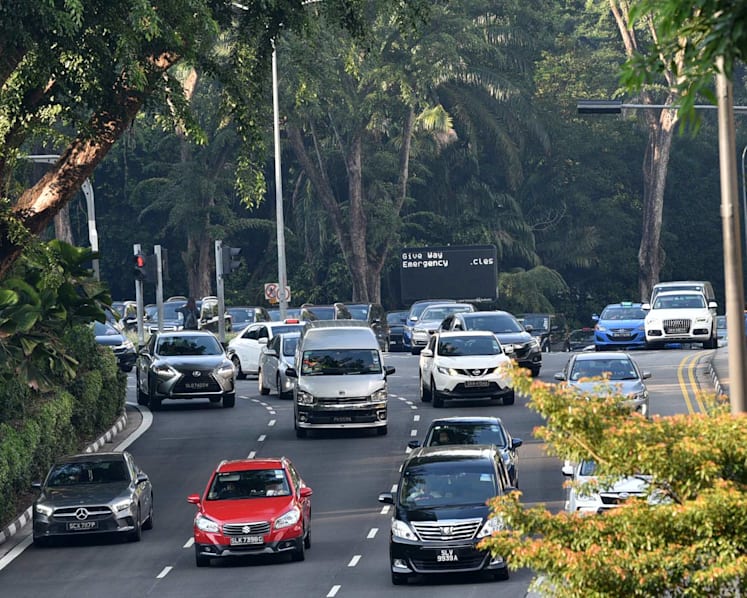
Cars and other vehicles in Singapore. (File photo: CNA/Jeremy Long)

This audio is generated by an AI tool.


SINGAPORE: The reduction in rebates for car owners who scrap their vehicles early is unlikely to significantly affect decisions on whether to renew Certificates of Entitlement (COEs), Acting Minister for Transport Jeffrey Siow said on Wednesday (Mar 4).
He was responding to parliamentary questions on the revised Preferential Additional Registration Fee (PARF) rebates, including whether it would affect car prices and demand, and whether studies had been conducted.
Mr Siow said the PARF rebate was meant to keep the vehicle population in Singapore younger, safer and less pollutive. The rebate is given to those who scrapped their cars before the 10-year COE ran out.
With electric vehicles becoming more popular, less incentive is needed to encourage early deregistration, he added.





The rebates were reduced by 45 percentage points and are now capped at S$30,000 (US$23,000). Owners could previously receive rebates of between 50 per cent and 75 per cent, capped at S$60,000.
"We do not expect these changes to affect COE renewal behaviour significantly," said Mr Siow.
At the first COE bidding exercise after the rebates were revised, prices were largely unmoved. Premiums for more powerful cars in Category B fell the most, dropping 5.3 per cent and sliding below the premium for smaller cars in Category A.
Some market observers said they expected COE prices to fall further, but many buyers may have already signed a sales contract and paid a substantial deposit.
Analysts previously told CNA that luxury cars would feel the effect of the changes more, because the PARF rebate is calculated based on the Additional Registration Fee (ARF) paid by a car owner, which is pegged to the vehicle's open market value.
That means a more expensive car with a COE purchased before the rebates were revised would be eligible for a much higher rebate than the same car with a COE purchased after the changes kicked in.
"Fewer than 2,000 car buyers with committed purchases are estimated to be affected," said Mr Siow. "These include mostly buyers of higher-end internal combustion engine cars."
February’s second bidding exercise saw 1,289 successful bids under Category A and 812 under Category B.
Mr Siow said buyers with existing purchase agreements who have not secured a COE can try to find a mutually acceptable agreement with their dealers. Some dealers have already made alternative arrangements with affected buyers, he said.
To address a question about whether transitional measures were considered to mitigate unintended financial impacts on car buyers, Mr Siow said the changes were implemented with immediate effect, in line with Singapore's general approach to market-sensitive tax changes.
"In this case, it was to avoid bidders rushing to market, or distorting the COE market," he said, adding that a similar approach was taken when PARF rebate caps were introduced and when the ARF was raised.
Vehicle taxes and rebates are also levied at the point of registration, not the point of sale, so that buyers in a COE bidding exercise are treated equally, he said.