







COE premiums for small, big cars rise sharply
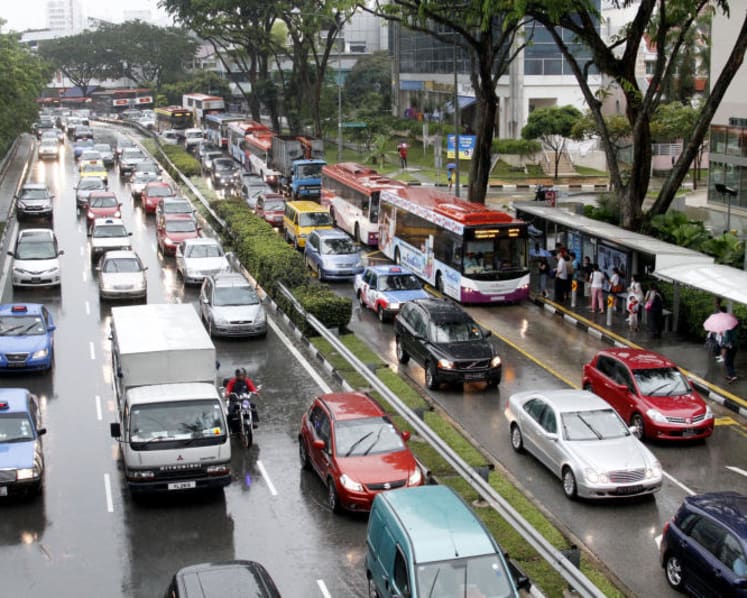
TODAY file photo


SINGAPORE — Certificate of Entitlement (COE) premiums for cars rose to their highest levels in months on Wednesday (Nov 8), in the first bidding exercise since the Government’s announcement last month that the growth rate for cars and motorcycles will be cut to zero from February.
The Category B premium (for big cars above 1,600cc and 97kW) jumped nearly 15 per cent from the previous bidding exercise to S$57,414 – the highest since August last year – while COE prices for small cars (Category A; up to 1,600cc and 97kW) rose 13.2 per cent to a six-month high of S$47,112.
Premiums for motorcycles (Category D) climbed 12.2 per cent to S$5,502, up from S$4,903 in the previous bidding exercise.
COE prices for goods vehicles and buses (Category C) went up by 11.8 per cent to S$58,036, while those in the Open Category (Category E), which can be used for any type of vehicle except motorcycles, also headed north by 9.62 per cent to S$57,000.





The higher premiums come just over a fortnight after the Government announced a zero-growth vehicle policy from February next year, down from the current 0.25 per cent.
The zero-growth rate will affect Categories A (small cars), B (big cars) and D (motorcycles). The growth rate of Category C (goods vehicles and buses) will stay unchanged until the first quarter of 2021.
On Monday, Senior Minister of State for Transport Lam Pin Min told Parliament that the zero growth is not expected to affect the COE quota and premiums significantly, because the COE quota is largely determined by the number of vehicles deregistered.
Commenting on the latest premiums, Singapore Vehicle Traders Association honorary secretary Jeremy Soh said the recent announcement on the zero-growth policy could have sparked a “knee-jerk” reaction, with buyers streaming into the market.
But a combination of other factors was also at play. Mr Soh, who is also director of Ricardo Cars, said buyers also want to get their hands on their vehicles before tighter vehicular emission standards kick in from next year.
The new Vehicular Emissions Scheme, which replaces an existing one from Jan 1, will take into account four more pollutants besides carbon dioxide. Buyers will qualify for rebates or have surcharges imposed on them, based on certain standards that determine how pollutive their vehicles are.
Cars are set to become costlier under the new standards, said Mr Soh, and buyers could pay an estimated S$10,000 to S$20,000 more for popular models.
Some dealers could also be trying to hit their targets by year’s end, while consumers are “buying (and) picking up their spending on vehicles just in time for Chinese New Year”, Mr Soh said.
Yong Lee Seng Motor managing director Raymond Tang felt that aside from the zero-growth announcement, which had the “least impact”, other factors led to the rise in premiums, such as the large number of orders that dealers raked in from the recent Cars@Expo event last month.
Dealers, too, “want to get their numbers right” and register vehicles before the end of the year.
The expected price rises after the tighter emission standards come into force would also mean dealers would want to register their vehicles before year’s end, Mr Tang said.
In the short term, Mr Soh expects COE premiums to continue on an upward trend, but noted that they could taper off into the new year, as consumers begin to hold back on their buys with the expected rise in car prices.
Similarly, Mr Tang expects prices to rise slightly until the end of the year, but said they should stay at about the same levels going into the new year.




