







‘Very difficult to breathe’: Singapore clinics see rise in haze-related symptoms
Patients are presenting not only respiratory symptoms, but also issues such as itchy eyes and skin flare-ups.
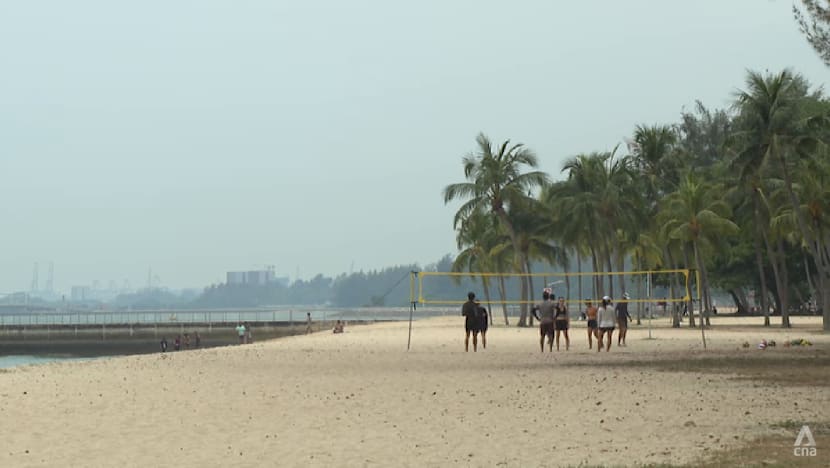
Singapore has been grappling with hazy conditions in recent weeks, largely due to forest fires in neighbouring countries such as Malaysia.

This audio is generated by an AI tool.




SINGAPORE: Clinics around Singapore are reporting a rise in haze-related cases, with some seeing patient numbers climb by up to 20 per cent over the past three months as hazy skies linger.
Patients are presenting not only respiratory symptoms, but also issues such as itchy eyes and skin flare-ups.
Doctors warn that prolonged outdoor exposure could worsen existing conditions, particularly among children and the elderly.
DRY WEATHER RAISES RISK
Singapore has been grappling with hazy conditions in recent weeks, largely due to forest fires in neighbouring countries such as Malaysia.





A noticeable burnt smell in the air has also been observed, with some saying it is more pronounced at night and in the eastern parts of the island.
But air quality readings have not indicated any deterioration, with the 24-hour Pollutant Standards Index (PSI) remaining in the good to moderate range. The one-hour PM2.5 readings have also stayed within the “normal” range.
Transboundary haze affecting Singapore largely arises from forest and peat fires in the region, the National Environment Agency (NEA) said in a Facebook post last Thursday (Mar 26).
“Besides generating smoke particles, vegetation and peat land fires also generate a complex mixture of gases which cause an acrid burning smell,” it added.
In an earlier post on Mar 20, the agency said warmer and drier weather over the island and the surrounding region in late March may lead to increased hotspot activity and a higher risk of haze.
At East Coast Park – a popular weekend spot – crowds remain steady.
Some restaurants say diners are still opting to sit outdoors, largely for the views.
But some patrons told CNA that air quality concerns are on their minds.
One skating coach said lessons are now mostly kept within air-conditioned spaces.
“Sometimes we bring the kids outside to warm up and do their rounds and laps around the shop,” he added.
Others said they have been looking to cut back on outdoor activities due to health concerns.
One parkgoer said: “Sometimes you will find it very difficult to breathe when you are outdoors.”

MORE HAZE-LINKED ILLNESSES
Some clinics are seeing more patients with haze-linked symptoms.
One clinic in Yishun reported about a 10 per cent increase in such cases over the past three months.
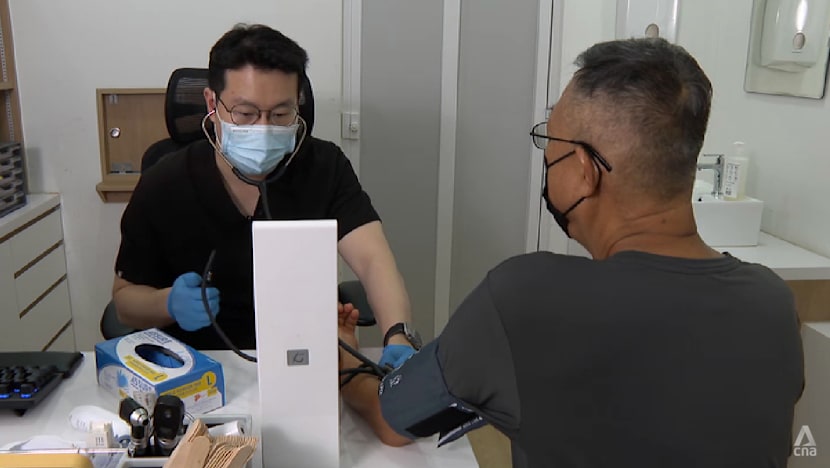
Dr Gerald Fung, medical director at Unihealth 24-Hr Clinic in Yishun, said most patients present with irritation-related symptoms.
“That includes runny nose, throat discomfort, cough and itchy eyes. Patients with pre-existing conditions may have worsening asthma, wheezing, sinus symptoms,” he added.
Others are also seeing eczema or sensitive skin flare up more than usual, said Dr Fung.
At another clinic, family physician Daryl Peh said haze, which consists of fine particles in the air, could have more wide-ranging health effects.
“Unbeknownst to most people, what we noted is that actually based on research, haze particles, especially those that are less than a certain size, actually do enter the bloodstream,” said the medical director at Salus Medical.
“And they actually do cause increases to blood pressure due to (the) inflammatory response."
Doctors encourage the public to stay vigilant and minimise outdoor activities, especially for vulnerable groups and those with existing respiratory conditions.




