







Singapore authorities warn against illegal injectable peptides sold online for weight loss, muscle gain
Peptides, which must be prescribed in Singapore, have become popular among many fitness influencers, trainers and enthusiasts around the world.
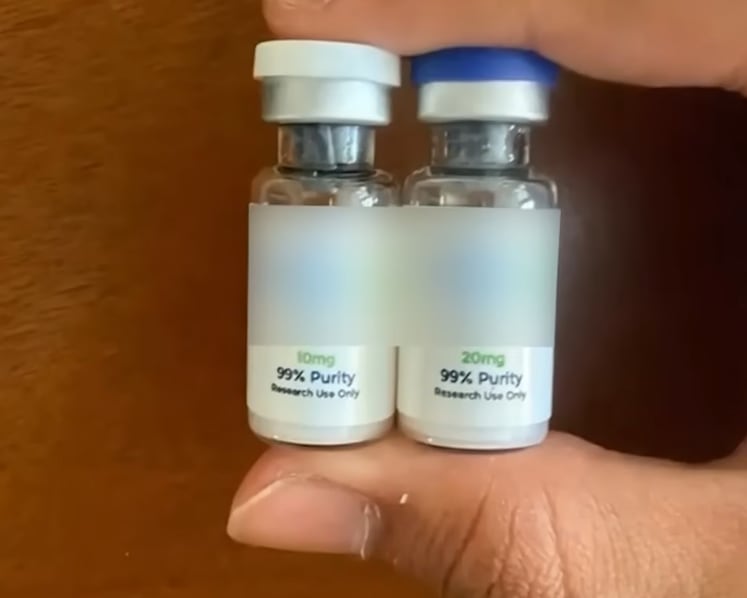
Bottles of injectable peptides.

This audio is generated by an AI tool.




SINGAPORE: When personal trainer Adrian Tan meets his clients for fitness sessions, most ask him about peptides in hopes of gaining an extra edge.
"I get at least 80 per cent of my clients asking me about peptides and supplementation … Most of the time, it's just to help with the fat loss as well as the muscle gain, and not seeing the results in the exercise regime,” he told CNA.
These clients – who are generally around 30 years old – may be concerned about their hormone levels dropping as they grow older as well, Mr Tan noted.
Injectable peptides have become popular among many fitness influencers, trainers and enthusiasts around the world who share about them widely on social media.
But Singapore’s Health Sciences Authority (HSA) has warned against using them for weight loss and muscle gain without medical supervision – especially products that are unregistered.
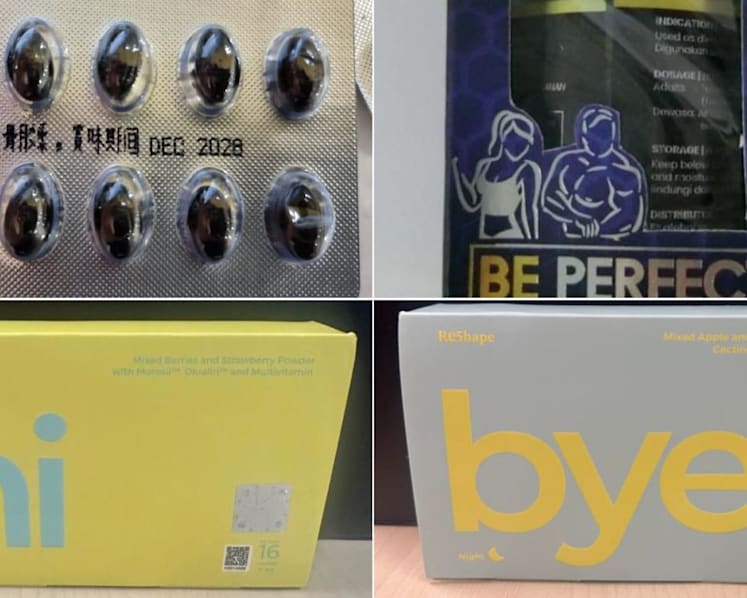
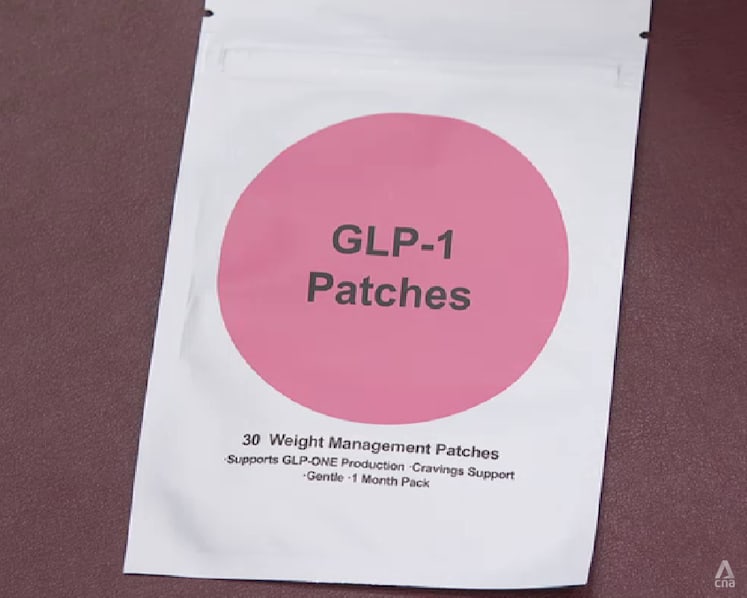
The advisory comes after CNA uncovered a black market for these compounds on social media platforms such as TikTok and WhatsApp, where they are openly marketed and sold.
Peptides must be prescribed, doctors say. If not, users risk suffering hormonal side effects as well as damage to their organs and metabolism.





WHAT ARE PEPTIDES?
Medically, certain peptides are used as prescription drugs to treat conditions such as diabetes and obesity.
Peptides are short chains of amino acids – the building blocks that combine to form proteins in the body. Naturally occurring peptides already exist within human beings, acting as chemical messengers to tell cells what to do.
When taken as medication, peptides work by binding to specific receptors on cells, like a key fitting into a lock.
Once attached, they trigger biological responses in targeted ways. Depending on the type used, this can lead to increased hormone release, tissue repair or changes in metabolism.
Some fitness enthusiasts have experimented with them to enhance training, speed up recovery or even improve longevity – uses that may not be medically approved.
NOT WITHOUT RISKS
Online, injectable peptides are often described as “game changers” in the quest to get leaner and more muscular.
Bodybuilder and fitness trainer Danial Azman said he has seen benefits personally.
"It does help in terms of your recovery, your longevity, and, of course, your wellness. So it really gives lots of benefits – this is what I based on my experience,” he added.
While such claims circulate widely online, experts caution that many lack rigorous scientific testing and proof. At the same time, growing demand has fuelled a parallel market of unauthorised sellers.
CNA found that getting hold of these products is not difficult. On TikTok, some injectable peptides were listed for as little as S$80 (US$63) per vial – sold without medical consultation or supervision.
When approached, some sellers recommended specific products, including substances that are banned. They claimed their supplies came from Malaysia and China.

In a statement to CNA, HSA – which regulates health products in Singapore – said these peptides are not registered in Singapore and are illegal to sell.
“HSA has been working closely and swiftly with the various online platforms to remove non-compliant listings of any unregistered peptide injectables, including those flagged by CNA,” a HSA spokesperson added.
In 2024, Health Minister Ong Ye Kung said in a written response to a parliamentary question that 82 non-compliant listings of Glucagon-like peptide-1 (GLP-1) receptor agonist drugs were removed from e-commerce platforms.
On top of that, since 2022, HSA has investigated 16 unauthorised sales or illegal advertisements of GLP-1 drugs, said Mr Ong.
GLP-1 drugs, which are used to treat type 2 diabetes and obesity, can only be prescribed by registered medical practitioners or licensed retail pharmacies to patients with a valid prescription. They cannot be advertised or sold on local online platforms.
A common GLP-1 drug offered is Saxendra – a daily injectable drug administered with a pen.
PROFESSIONAL MONITORING REQUIRED
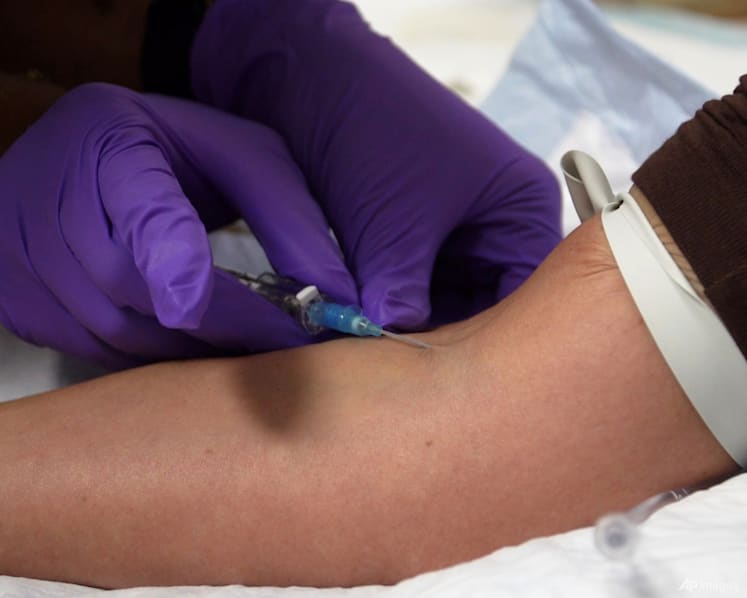
Doctors stressed that peptides should only be prescribed and monitored by qualified medical professionals.
Dr Khoo Chin Meng, head of endocrinology at the National University Hospital, said buying such products online carries significant risks.
"You don't really know whether the product that you buy is actually of sufficient purity,” he noted.
“Who's going to monitor whether when you take the products you are benefiting from the products? Who is going to monitor whether you're experiencing the side effects of the products?”
Used incorrectly, peptides can disrupt hormonal and metabolic balance. Potential risks include unintended side effects, organ damage and longer-term health consequences that are not yet fully understood.
At fitness trainer Mr Danial’s gym, clients considering peptides are encouraged to consult a doctor before making a decision. Fellow trainer Mr Tan also said he advises people to find a suitable medical practitioner and speak to them about peptides.

Dr Hisham Badaruddin, chief medical officer at TSquared Health, said some of his patients are from foreign countries where access to such substances may be easier.
"Many of my clients or patients come from all around the world, not just gyms in Singapore. Of course, some of them do experiment … They live in Europe or the Middle East elsewhere, and they have access to these things,” he said.
“I will not be able to really stop them, but what I do is, I advise them whether it's appropriate, whether it's right for them to do so.”
He added that the effects and potential side effects of peptides vary from person to person.
With several peptides still undergoing clinical trials, experts say it is too early to determine their long-term effectiveness or safety.
People should also go about losing weight or gaining muscle the “natural way” before thinking of turning to peptides, said Dr Hisham.
“For certain peptides that are already allowed on the market, if you stop them, your weight will rebound if you don't have the baseline lifestyle measures, so why not (get that right) first?” he added.




