







Mediation ‘vital as more people turn to courts for family disputes’
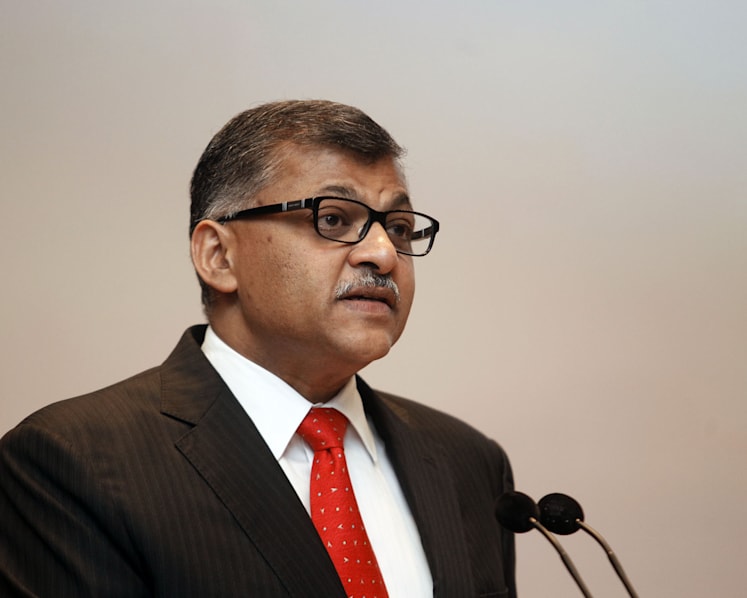
Chief Justice (CJ) Sundaresh Menon. TODAY file photo


SINGAPORE — More people have been seeking court intervention for family disputes and this trend is expected to continue, making the role of family adjudicators more important than ever, said Chief Justice (CJ) Sundaresh Menon today (Oct 1).
Between its official opening in October last year to August this year, the Family Justice Courts — comprising the High Court’s Family Division, the Family Court and Youth Court — has seen 24,623 family-related cases, such as divorce, family violence and probate cases.
For the whole of last year, it handled 28,341 cases, up from 27,658 in 2013, and 28,141 cases in 2012.
Speaking at the first anniversary appreciation of the Family Justice Courts today, CJ Menon said the Family Justice Courts and the related laws are attempting to move away from an adversarial litigation process, towards a softer approach to dispute resolution.





“This shift has necessitated greater integration between the courts and the legal process on the one hand, and the broader family justice ecosystem on the other,” he said.
He pointed out that there have been increases in the divorce rates, and the number of applications for Personal Protection Orders and Domestic Exclusion Orders has doubled since 1996.
The number of youth arrests also accounts for about 22 per cent of the total crimes reported in Singapore annually, a figure that reflects an “over-representation of youth as a portion of all offenders”, he said.
Speaking to TODAY, family lawyers said the new approach of the Family Justice Courts has brought about positive changes. In particular, the introduction of child representatives last year helped place a greater emphasis on the child’s interests in divorce proceedings.
Child representatives are appointed lawyers who will look into the child’s best interests during court proceedings, and make an objective assessment of the arrangements.
There were no specific schemes to represent children prior to this, said Ms Michelle Woodworth, partner at RHTLaw Taylor Wessing LLP, adding: “It gives children in these dispute cases a voice.”
Another positive change raised by the family lawyers is the judge-led litigation process for child and complex cases.
Mr Ahmad Nizam Abbas from the Straits Law Practice LLC said the docket system, where the same judge handles a particular couple’s matters from the beginning, allows for a “deeper grasp” of the various facets of the case, and the judge “is better placed to come up with more holistic solutions”.
Family lawyer Rajan Chettiar from Rajan Chettiar LLC said the new procedures also resulted in a tighter case management system within the courts. Contested cases that used to take up to three years to conclude now take about a year to a year and a half.
“Fast track divorce” cases, where parties come to an agreement on all issues without the court’s help, can be settled in four instead of the usual six months, he said.
Meanwhile, the newly established Singapore Family Mediation Training and Certification Framework has accredited the first batch of 24 specialist family mediators, which includes Family Justice Courts district judges and senior lawyers.
More support has also been provided to litigants-in-person or those who fight their own cases through the Court Friends Scheme.
Twenty-three volunteers have been trained under this scheme to provide information on court procedures and processes, for instance, and to “humanise the court process”, said CJ Menon.
Apart from mandatory mediation and counselling for divorcing couples with children aged below 21 years old at the Child Focused Resolution Centre, a pilot Child Inclusive Dispute Resolution model has been offered to 20 families.
This involves setting up interviews with the children to find out how the divorce has affected them, followed by a feedback session between the parents and counsellor.
Results from the pilot showed that 75 per cent of the families reached an agreement on children issues and the Family Justice Court has plans to expand the pilot study.
From next week, the Family Justice Courts will also move their divorce-related mediation and counselling services to a new facility at the Ministry of National Development Complex, which will also house additional hearing chambers and courts.




