Wolbachia mosquitoes to be released at 5 new areas, including Ang Mo Kio and Toa Payoh
The programme will cover over 800,000 households - half of Singapore's homes - by year-end, said the National Environment Agency.
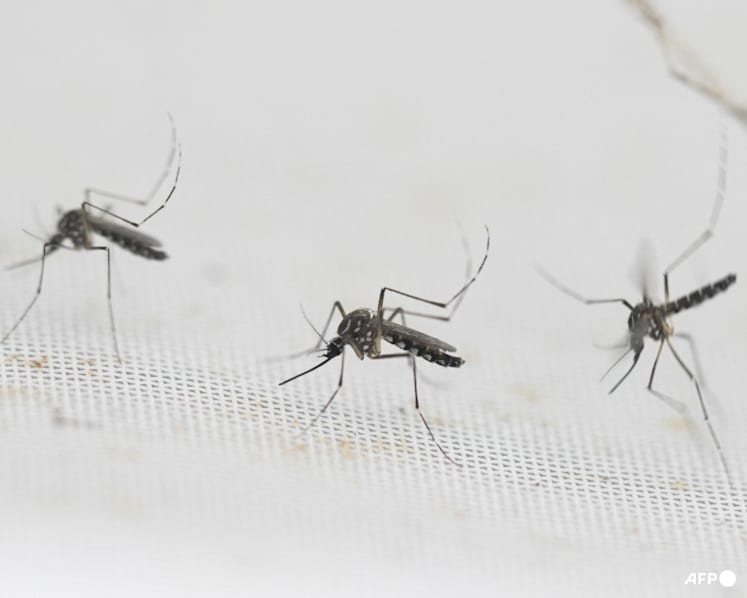
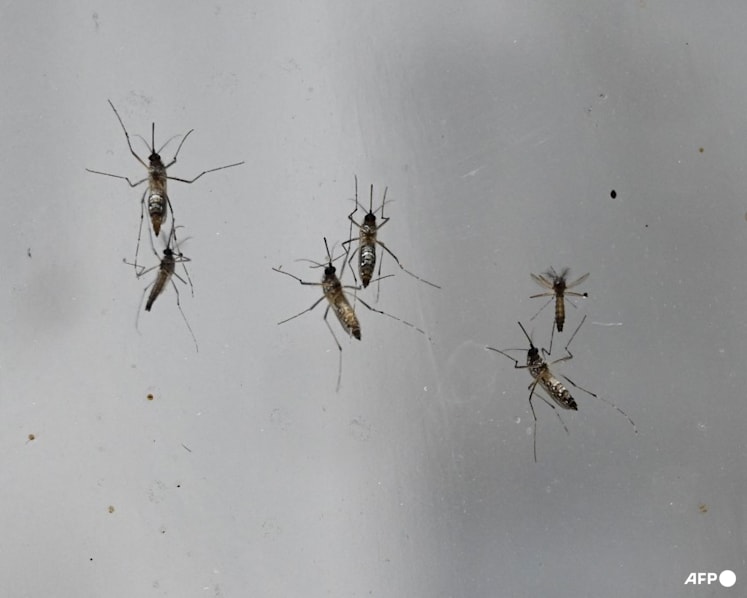
Aedes aegypti mosquitoes are pictured at a laboratory. (File photo: AFP/Luis Robayo)

This audio is generated by an AI tool.


SINGAPORE: Male Wolbachia-carrying Aedes aegypti mosquitoes will be released at five more areas by the end of 2026 as part of a project to combat dengue, said the National Environment Agency (NEA) on Friday (Mar 13).
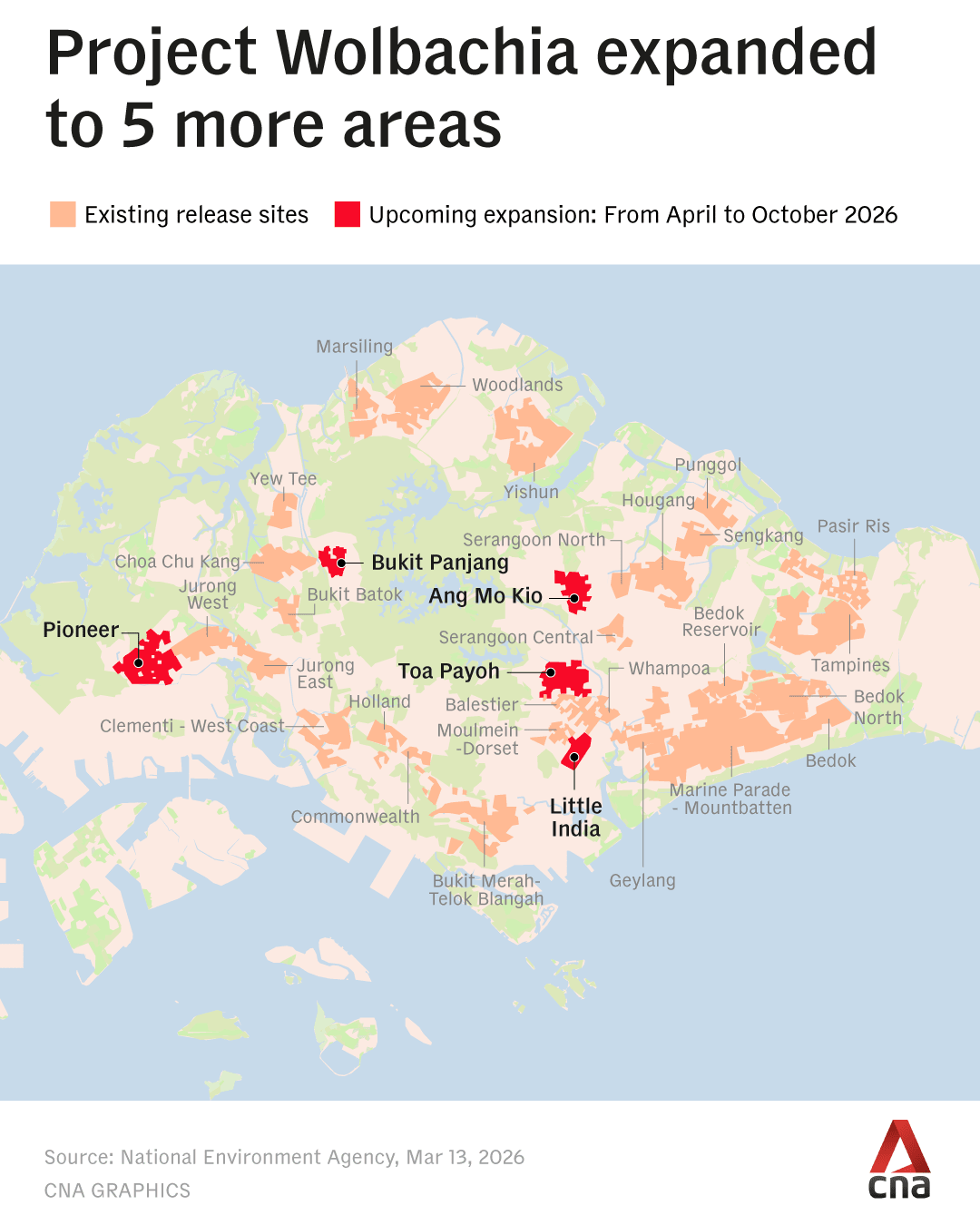
Project Wolbachia will be progressively rolled out in Bukit Panjang, Little India, Pioneer, Toa Payoh and Ang Mo Kio, bringing the total household coverage to over 800,000 households.
This means the project will achieve its aim of covering half of Singapore's households, including most areas at risk of major dengue outbreaks, by year-end. First announced by Minister for Sustainability and the Environment Grace Fu in November 2024, reaching this figure marks an “important milestone” in the country’s dengue control efforts, NEA said.
The Wolbachia-carrying mosquitoes will be released in Bukit Panjang and Pioneer from Apr 20, and in Little India from Apr 21. The roll-out will begin in Toa Payoh in June and in Ang Mo Kio in October.





The releases will be conducted twice a week in the morning at each site, and residents will be informed in advance.
"While residents will see a temporary increase in mosquitoes with the release of the male non-biting Wolbachia-carrying Aedes aegypti (Wolbachia Aedes) mosquitoes, studies have shown significant benefits in release areas," said NEA.
Since the start of Project Wolbachia in 2016, Singapore has been progressively releasing Wolbachia mosquitoes across the country.
In January, it was announced that the project would expand to Balestier-Whampoa, Geylang, Moulmein-Dorset and Pasir Ris.
Under the project, male Wolbachia-carrying Aedes mosquitoes are released to mate with the female Aedes mosquitoes. The eggs that are produced do not hatch.
Male mosquitoes do not bite and cannot transmit diseases, as they feed only on plant juices, such as nectar.
NEA said that the programme has reduced Aedes mosquito populations by 80 to 90 per cent, and the risk of getting dengue has lowered by more than 70 per cent.
Residents living next to the release areas were 45 per cent less likely to get dengue than those in areas without releases, it added.
The agency noted that these results "highlight the effectiveness of Project Wolbachia as a complementary tool in Singapore’s comprehensive dengue control strategy".
The project complements key prevention methods, such as the removal of stagnant water sources and community education initiatives, to fight against dengue transmission.