NUS scientists roll out diabetic-friendly bread
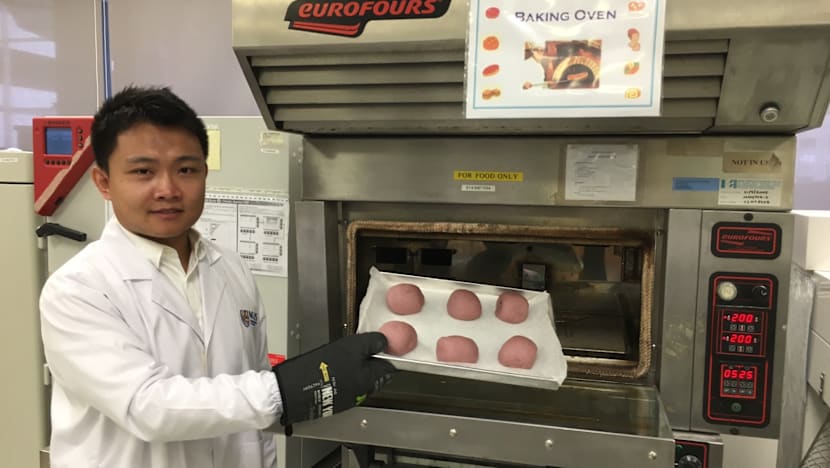
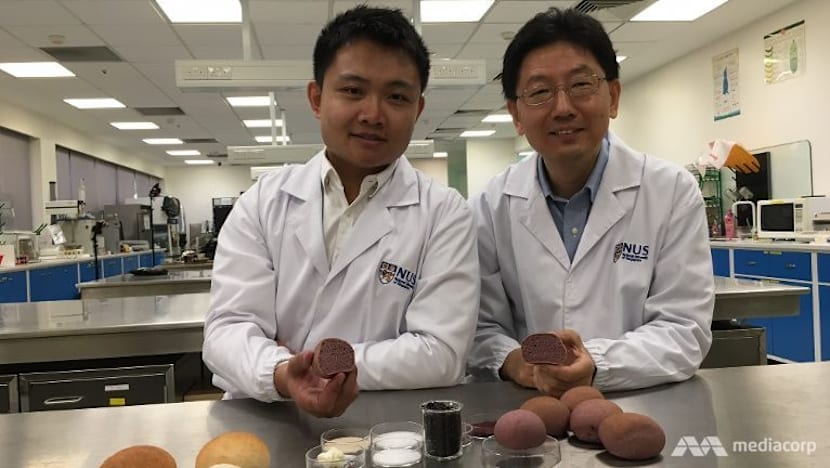
SINGAPORE — Scientists at the National University of Singapore (NUS) have developed a recipe for diabetic-friendly bread.
The recipe incorporates anthocyanin, a plant pigment found in foodstuff like black rice and blueberries, which causes the sugars in the bread to be digested at a slower rate compared to current white bread.
A slower digestion rate helps improve blood-glucose control, and avoids the usual sharp increase in blood sugar levels which are harmful to diabetic patients, said Dr Sui Xiaonan, one of the three scientists who developed the recipe, on Wednesday (Feb 24).
The digestion rates of the anthocyanin-fortified bread dropped by 12.8 per cent when incorporated with just 1 per cent of the anthocyanin extract, and by 20.5 per cent with 4 per cent of anthocyanin.
Anthocyanin in the bread also contains three times the amount of antioxidants compared to white bread, which can help prevent cardiovascular disease and cancer, said the scientists.
The team of four have been working on the project for a year, and results have been published in two science journals, including Food Chemistry in October last year. The other two members of the research team are Ms Yap Pei Yi, who has since graduated from NUS, and PhD student Ms Zhang Yan.
Another of the scientists who discovered the recipe, Professor Zhou Weibiao, Director of the Food Science and Technology Programme in NUS, said: “We hope to conduct further studies to incorporate anthocyanins into other food items, such as biscuits. Our team is also keen to explore opportunities to work with industry partners to introduce the anthocyanin-fortified bread to the market.” CHANNEL NEWSASIA