







Officers involved in NSF’s death suffered ‘significant setbacks’ in careers
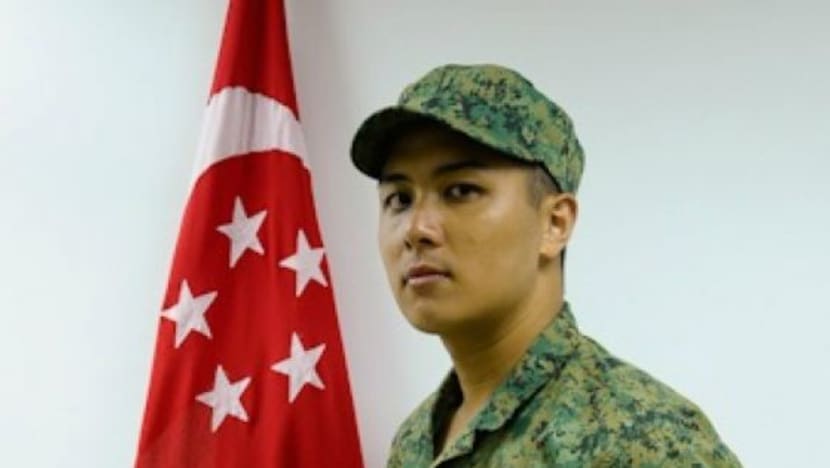
Dominique Sarron Lee. Photo: MINDEF


SINGAPORE — The two Singapore Armed Forces (SAF) officers involved in the death of Private Dominique Sarron Lee did not face criminal charges or civil liability, but the setback they suffered was a “significant" one, said Defence Minister Ng Eng Hen in Parliament on Thursday (March 24), where he also addressed questions over a legal provision that indemnifies army officers from negligence suits over service deaths or injuries.
The delays in the promotions for the two officers have resulted in them incurring a loss amounting to about half their total annual salary so far, revealed Dr Ng, who was responding to a parliamentary question filed by Non-Constituency Member of Parliament Dennis Tan.
Lee, 21, died in April 2012 from an acute allergic reaction to zinc chloride fumes from smoke grenades used during a training exercise.
The number of smoke grenades used in the exercise was thrice the amount allowed. The two officers — Captain Najib Hanuk Muhamad Jalal and Major Chia Thye Siong — were not charged in court, but were convicted under military law in 2013 for breaching safety regulations.





In a supplementary question, Mr Tan had asked if Section 14 of the Government Proceedings Act could be amended to allow for certain situations of liability to be prosecuted in civil court, instead of the current absolute waiver from liability for all claims attributable to service.
The provision had been successfully invoked by the two officers when Lee’s family brought a civil suit against them, prompting a public outcry over whether the two officers were adequately penalised.
In response, Dr Ng said: “(We) want to give confidence to our security forces, the confidence that when they do their job, when they do it without recklessness or negligence, that the Government Proceedings Act protects them.”
But an officer who was negligent or reckless in carrying out his duty would not be protected, he stressed. “The AGC (Attorney-General’s Chambers) can prosecute them in criminal courts and if you look at the cases that have been prosecuted, they have gone to jail,” said Dr Ng.
Prosecution of SAF servicemen in criminal courts are based on findings and conclusions determined by judicial processes outside the SAF, noted Dr Ng. The Coroner looks into the cause of death and the AGC decides if there are sufficient grounds for prosecution.
“The SAF fully accepts these judicial processes and indeed deems them necessary so that our SAF servicemen are held accountable for their actions,” said Dr Ng.
In Lee’s case, Dr Ng said the two officers would have been prosecuted in the criminal courts “if there were sufficient grounds to deem the servicemen criminally liable for Pte Lee’s death”.
“The AGC decided not to prosecute anyone as the cause of death was an unforeseen allergic reaction that was unlikely to have been predicted,” said Dr Ng.
The penalties meted out to the two under military law are consistent with cases of servicemen who have committed similar offences, and it would have been “wrong and unfair” to punish SAF servicemen beyond the level of offence committed which has been determined by independent and impartial judicial processes, he added.
“The two SAF officers involved will carry with them the pain of this incident for the rest of their lives. But I do not believe that they started that fateful day intending at all to harm the soldiers under their charge,” said Dr Ng. “As sad and tragic as this accident has been, we must do right for all involved.”




