







Research breakthrough in rare rapid ageing disease pave the way for new treatments
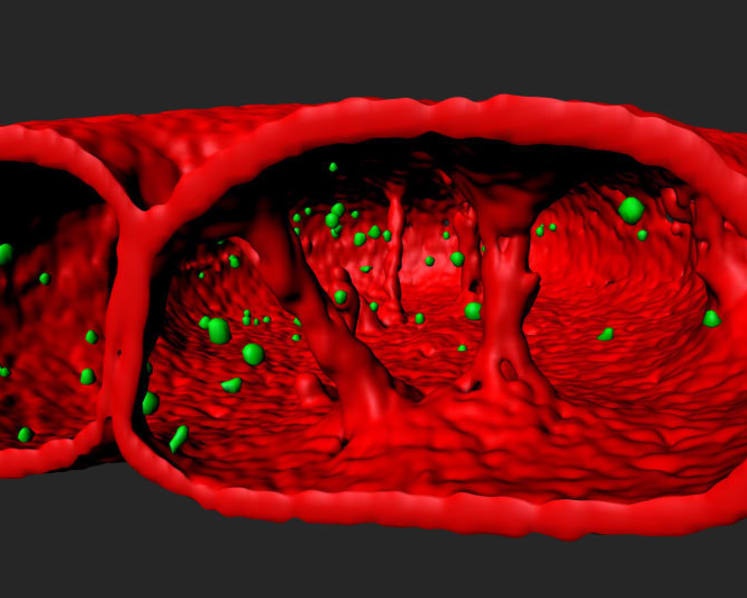
Hutchinson-Gilford Progeria Syndrome is caused by a mutated protein called progerin, which induces DNA damage, triggers premature cellular ageing and slows down cell proliferation, resulting in accelerated ageing. Photo: A*STAR Singapore


SINGAPORE — New ways to treat children suffering from an extremely rare genetic disease that causes them to age rapidly from as young as one year old are on the cards as scientists here have made significant progress in identifying the underlying mechanisms of this accelerated ageing syndrome.
The Hutchinson Gilford Progeria Syndrome (HGPS), known by some as the “Benjamin Button” disease, affects one in four to eight million newborns globally, according to the Progeria Research Foundation. The foundation said on its website there are an estimated 200-250 children living with Progeria worldwide at any one time and they often die of heart attacks or strokes at an average age of 14.
While it is known that the accelerated ageing is caused by a mutated protein — which induces DNA damage, triggers cellular ageing and slows down cell proliferation — it was previously thought that this was because the mutated protein caused the cell nucleus to be deformed, weakening the ability of cells to divide and proliferate.
However, scientists from A*STAR’s Institute of Medical Biology (IMB) have proposed a radically different model, which suggests that a certain enzyme and protein could be used in future treatments of these patients to “greatly increase their chances of survival past their teenage years”. There is currently no effective treatment.





The study said the mutated protein could instead cause certain DNA sequences (telomeres) in a cell to become more fragile and susceptible to damage, triggering premature cellular ageing.
The study showed that adding an enzyme (telomerase) to elongate these DNA sequences would counteract the effects of the mutated protein such as by preventing proliferation defects and DNA damage. Increasing another protein, called LAP2alpha, would help prevent damage to the DNA segments in the first place.
The ground-breaking study, which concluded in mid-July, was published in the September issue of eLife, a scientific journal for the biomedical and life sciences.
“These findings may open new avenues for the clinical treatment of HGPS patients,” said A*STAR in a press release today (Sept 22).
Therapies incorporating LAP2alpha may be given to early-diagnosis HGPS patients to minimise telomere damage, while older patients with damage to these DNA structures could be provided with the treatments to enhance the enzyme, telomerase.
Overall in human health and ageing, “such findings pave the way towards the future possibility of slowing down the ageing process, through the development of telomerase enhancing drugs”, added A*STAR.
IMB Project Leader Dr Oliver Dreesen, who co-led the study with Professor Colin Stewart, said: “When we embarked on this project, our goal was to identify novel biomarkers for ageing, and to understand the molecular mechanism why these kids grow old more quickly.
“I think this, and our previously published work, is a significant contribution to our understanding of human ageing. Furthermore, given the tremendous potential of telomeres to harm our health, we must be more careful in making choices that could possibly cause them damage.”




