







SIA air-stewardess gave up flying to be a nurse
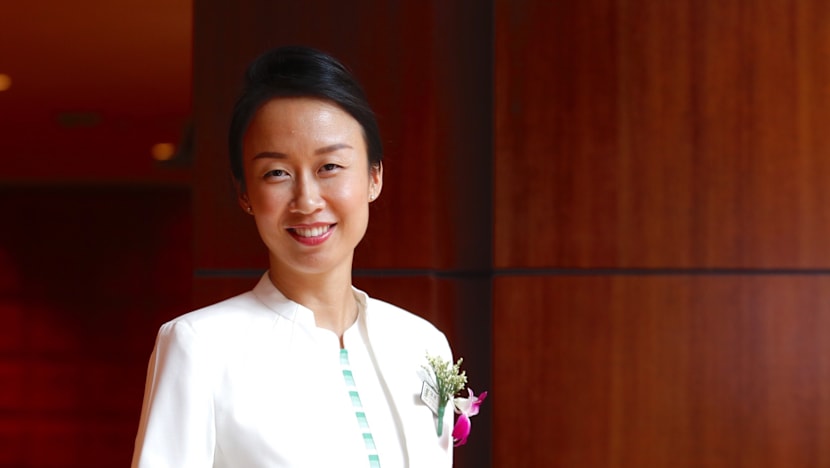
Ms Ivy Tay is a nurse at the Singapore General Hospital. Photo: Najeer Yusof/TODAY
SINGAPORE — When a passenger collapsed onboard a flight where she was a crew member, Ms Ivy Tay was at a loss as to what to do.
They were flying from Johannesburg, South Africa to Singapore when the call button for a flight attendant sounded. This was a regular occurrence when passengers needed something, but what Ms Tay did not expect when she headed to the seat was to see a woman slumped, unconscious, with wine spilt from an overturned glass on the tray table.
When the crew found a doctor onboard the Singapore Airlines flight, Ms Tay was given instructions on the type of medication and dosage required, using the in-flight first-aid kit.
“At that point, I felt very defeated and I didn’t know what I was doing. There was a knowledge gap. I felt like a bimbo when the doctor gave me orders, and I thought I could be a lot more than that,” Ms Tay, who had been on the job for seven years then, recalled.





This incident 11 years ago spurred her to make a career switch and become a nurse instead. She is now an assistant nurse clinician at the emergency department of Singapore General Hospital (SGH).
On Friday (July 7), the 39-year-old was one of 100 nurses to receive the Nurses Merit Award.
In recognition of their outstanding performance and contribution for the past three years, recipients were given a medal and a cash award of S$1,000. Nurses were nominated for the award by their healthcare institutions and selected by a panel set up by the Health Ministry.
Ms Tay put in long working hours at the accident and emergency (A&E) unit, and it can sometimes be gruelling. For instance, an afternoon shift that ends at 10pm may sometimes be followed by a morning shift at 7am.
However, she said that the job satisfaction is “a lot greater” compared with working as an air-stewardess. “At the end of the day, I do see patients going back with some knowledge. When you give tips to them on how to manage their illness at home, they feel better about it and realise it’s not that difficult,” she said.
Although she has been a nurse for more than a decade now, it is a never-ending learning process, Ms Tay added. Last year, as a representative of the A&E department, she volunteered to fly to Sichuan, China to teach nurses there emergency skills such as mass casualty management. It became a two-way learning experience, after she encouraged the nurses to talk about how they weathered the aftermath of the Sichuan earthquake in 2008.
“Experience is something that you can’t get from books. It was very humbling to hear what they’ve gone through. They shared with me how lost they were when they reached ground zero. They didn’t know who to save first,” she recalled.
While Singapore is not prone to natural calamities, there are still security issues with the recent terror threats in the region. Ms Tay said that her time in Sichuan has “mentally prepared” her at least, in the event that hospitals here have to face similar situations of mass casualties.




