







Singapore's social enterprise ecosystem builder aims to unlock S$10m more in funding in 5 years
The Singapore Centre for Social Enterprise has set this target to tackle challenges such as unemployment, mental health and ageing.
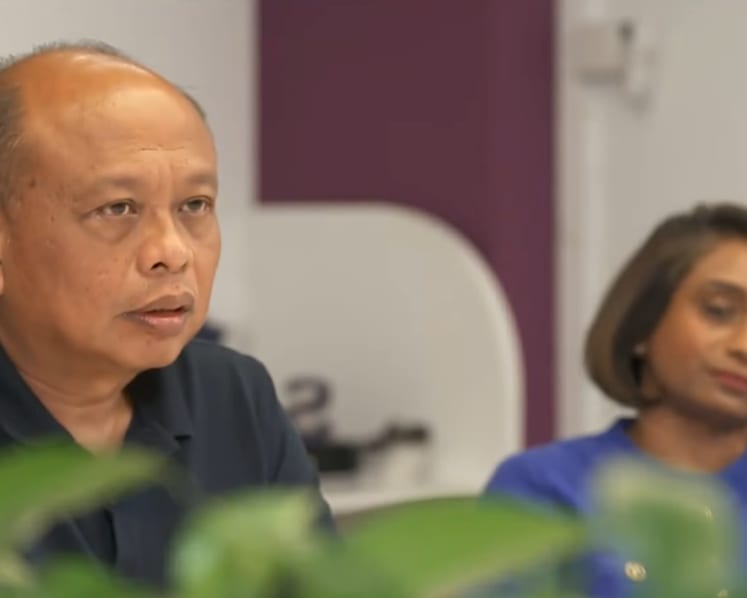
Mr Alfie Othman, CEO of the Singapore Centre for Social Enterprise.

This audio is generated by an AI tool.




SINGAPORE: The Singapore Centre for Social Enterprise (raiSE) is aiming to unlock S$10 million (US$7.8 million) in additional funding over the next five years to strengthen and grow a robust pipeline of high-impact social enterprises.
This comes as raiSE looks to tackle challenges such as unemployment, mental health needs and an ageing population.
Over the past decade, it has helped to shape Singapore’s social enterprise landscape, supporting organisations that combine commercial sustainability with social impact.
Looking ahead, its CEO Alfie Othman said it is hoping to drive change in corporations where traditional companies build social impact directly into their business models. This will benefit society as a whole, he added.
raiSE was set up in 2015 as a public-private joint initiative to raise awareness on social entrepreneurship and boost support for social enterprises in Singapore.
BETTER PUBLIC AWARENESS
Mr Alfie noted that raiSE’s early years were focused on educating the public on what social enterprises are – a strategy that has since borne fruit.
A public perception survey conducted before the establishment of raiSE found that about 16 per cent of respondents were aware of what a social enterprise was.
This shot up to 72 per cent in 2020, five years after raiSE was established, Mr Alfie said.
With awareness now at a higher point, raiSE is turning its attention to demonstrating tangible value and deepening collaboration across sectors.
“Now, it's about creating value, showing value, what social enterprises can bring to the ecosystem,” Mr Alfie said.





He added that interest in contributing to the social enterprise ecosystem has grown, with a widening pool of partners stepping forward.
“These are the corporates, the universities or IHLs (institutes of higher learning), organisations, even charities or social service agencies, that came together and became part of the ecosystem.”
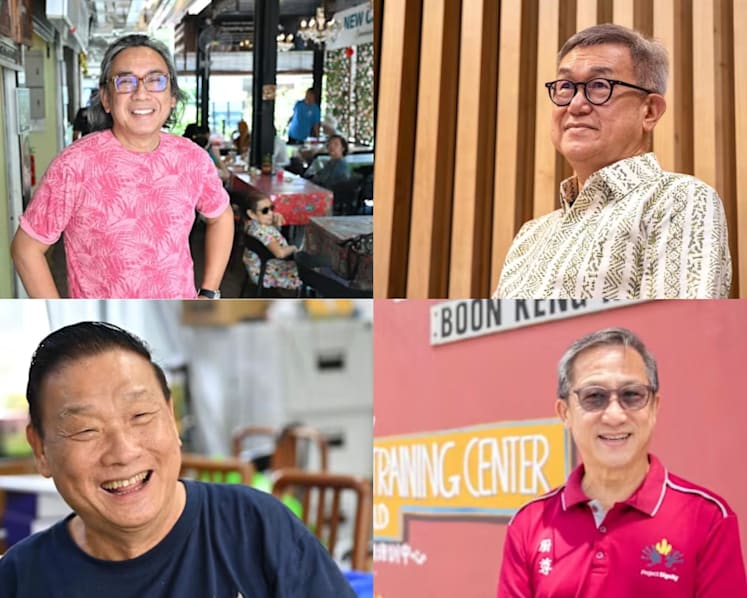
Alongside the growing network of partners, raiSE has observed a demographic shift among social entrepreneurs, with younger entrepreneurs stepping up to give back to the community.
“Early days when we set it up, I saw the entrepreneurs were in the 40s and 50s … and the business model that they adopted back then was that of, ‘I don't want to lose, but I want to create impact. So my business will be sustainable, but I want to create impact’,” said Mr Alfie.
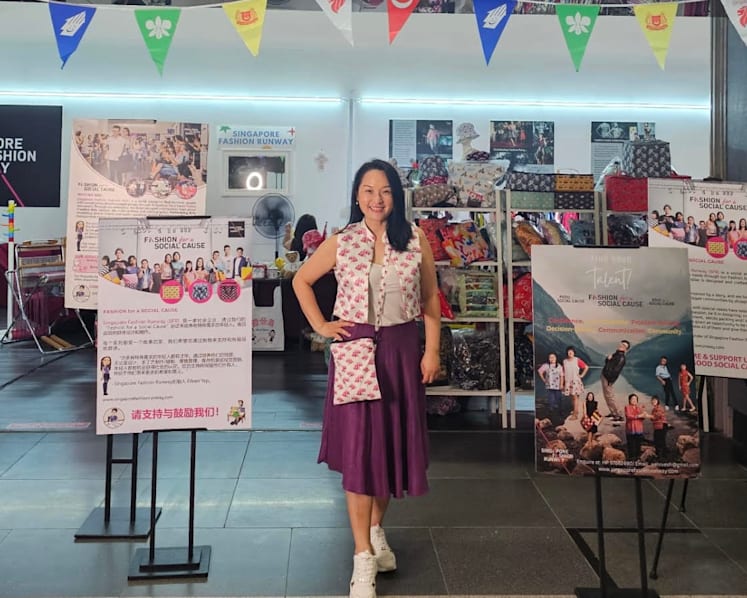
Today, he noted, those in their 20s and 30s are approaching social enterprise with a stronger emphasis on scaling up.
CHALLENGES ABOUND
But there are difficulties in doing so, Mr Alfie cautioned.
Many social enterprises continue to struggle with balancing social impact and commercial viability – a challenge Mr Alfie said is inherent to the sector.
“If you set up just a plain business, it is challenging in Singapore, let's face it. But to have a double bottom-line – business and impact together, it is worse. But it is not impossible,” he added.
He said early-stage social enterprises face challenges similar to other start-ups, including securing funding, finding product-market fit and entering the market.
“If they are in an early-stage, starting up, the challenges will be the same as startups. Where do I get my money? Does my product fit? How do I go to market?” he said.
As social enterprises grow, operational complexity also increases, he noted.
“As you get bigger, the cost is going to get a bit more complex … you need more, better talent to maintain that level of business that you are in,” Mr Alfie added.
“But then again, nobody twists their arms to become a social entrepreneur. The young ones actually want to take this challenge, and we, as an ecosystem supporter, have to support them.”
This support includes foundational training for early-stage social enterprises, as well as specialised assistance delivered through its ecosystem partners.
“This is where the ecosystem partners come to play,” Mr Alfie said.
“Say, for example, a social media company puts up workshops on digital marketing, which our social enterprises find useful. Or an organisation that gives pro bono legal services in terms of contextual agreement and so forth.”
HOPES FOR THE SECTOR
Looking ahead, raiSE expects emerging needs such as mental health support and ageing-related services to spur greater demand for enterprise-led solutions.
To kick-start innovation in these areas, the organisation has launched a S$1 million sandbox programme to help 20 start-ups partner with social service agencies to address social gaps in the community.
“If a social enterprise wants to solve an issue on mental health and ageing … how do you validate that? Because you need some market validation,” said Mr Alfie.
“Now, on the other side of the equation, the social service agencies are facing this issue day-by-day, so they have a better sensing on what is needed or what is not needed, or what can complement what is existing in the social sector, so that there will be no duplication of some sort.”
He added that partners such as the Singapore University of Social Sciences can also help fine-tune business models.




