







Strict drug laws will stay despite external pressure: Shanmugam
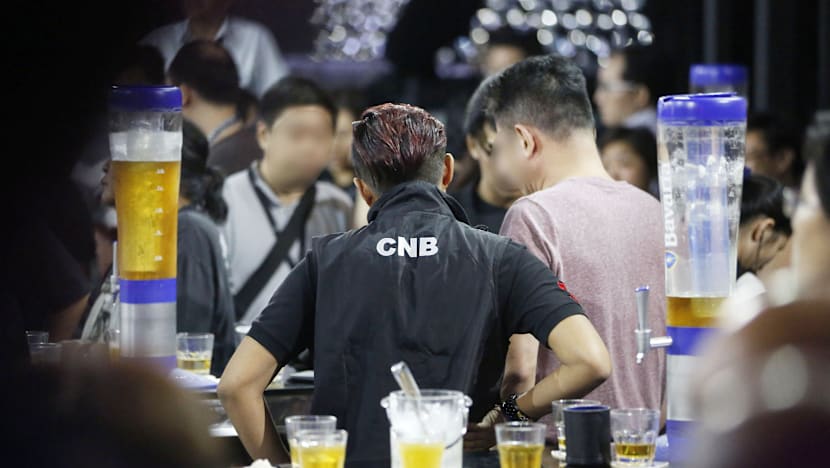
TODAY file photo


SINGAPORE — While there is increasing international pressure to adopt a softer “harm reduction” approach when tackling drug problems, Singapore must remain “steadfast in our resolve” to keep the country drug-free, Home Affairs Minister K Shanmugam said during the debate on the ministry’s budget on Friday (March 3).
Growing threats from drug trafficking in the region could see Singapore overrun by crime syndicates if the authorities are not tough, he warned, adding that the Central Narcotics Bureau (CNB) will work with community partners to better engage the youth, a group that has been especially susceptible to the temptations of drugs.
He said that even though Singapore has “dealt effectively with the drug problem” through firm and relentless enforcement, there are challenges ahead. “I will not flinch from taking a position in Singapore, and outside Singapore, that I believe is in the interests of our people,” Mr Shanmugam, who is also Law Minister, said.
“We do what is right for Singapore. A penalty will be in the books if we believe it to be right. And it will be removed if we believe that removal is the right thing to do. And not because of any international pressure,” he added, citing the death penalty as an example.





Figures released by the CNB last month show that close to two-thirds of new abusers last year were under the age of 30. The agency highlighted the rise in online drug peddling and the number of new drug abusers arrested, revealing that most of those who obtained drugs or related equipment online were between 20 and 39 years old.
Responding to concerns from Members of Parliament (MPs) on this trend, Parliamentary Secretary (Home Affairs) Amrin Amin said that the CNB would engage youth through videos, to bust myths on drugs which are “glamorised” over the Internet as less harmful and addictive.
Under a pilot Anti-Drug Advocate Programme, students from the Institutes of Technical Education, polytechnics and universities will learn about Singapore’s drug policies and interact with former drug abusers at halfway houses and rehabilitation centres. “(They) will see what is really at stake if they try drugs. We hope the experience will encourage them to start their own initiatives to spread the anti-drug message to their friends,” Mr Amrin said.
On MP Tan Wu Meng’s (Jurong GRC) point about the impact of drug abuse on the abusers’ families, Mr Amrin said that the Ministry of Home Affairs is working with other agencies to better understand and address the risk of “inter-generational offending”.
“If we do not succeed in rehabilitating offenders, their families, including their children, may end up becoming victims or offenders. Curbing inter-generational offending starts upstream and this applies to both drug abuse and crime,” he said.
The Ministry of Home Affairs is also expected to spend S$5.78 billion this financial year, which is 12.9 per cent more than the S$5.12 billion spent last year.
Key announcements this year include:
-Two new laws will be introduced - the Public Order Act and the Infrastructure Protection - to guard Singapore against security threats such as terrorism
-About 11,000 cameras will be installed at 2,500 locations island-wide over the next few years
-Plans to equip police officers with pistols to give officers better firepower
-SGSecure outreach efforts to be expanded to workplaces




