







Swedish lessons on home-care for the elderly
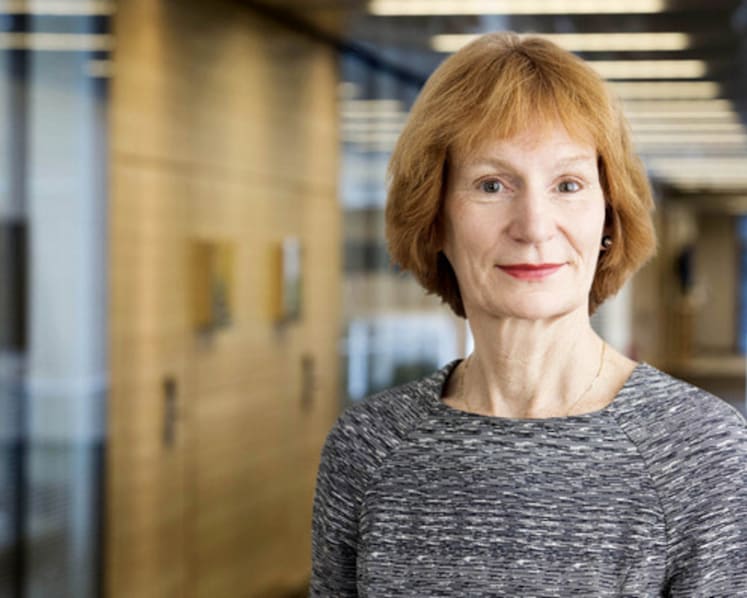
Ms Maria Mannerholm, who was part of a Swedish delegation in Singapore recently to exchange ideas on the smart-city strategy, said she was impressed with Singapore’s efforts to encourage love and respect for the elderly. PHOTO: Maria Mannerholm


SINGAPORE — Ms Maria Mannerholm’s mother is 97 and has been living in the same rental apartment in Stockholm for 90 years. Despite being able to walk only a few metres, the widow is able to lead an independent life, thanks to help provided by the city.
A personal security alarm at home means she is able to trigger a call for help. A walker and wheelchair aid her mobility and she receives home-care. A mobility service, which works like taxi and carpool service combined, enables her to visit her daughter about 20km away.
And by going online, Ms Mannerholm is able to check, in real-time, the services being delivered to her mother.
As their populations age, Singapore and Sweden’s capital city are dealing with similar challenges in catering to the needs of the elderly, said Ms Mannerholm, who was part of a Swedish delegation in Singapore recently to exchange ideas on the smart-city strategy.





Those aged 65 and above form more than 13 per cent of Singapore’s citizen population.
In Stockholm, the same age group makes up about 23 per cent of its inhabitants, said Ms Mannerholm, chief executive of property company Micasa, which is owned by the City of Stockholm and owns facilities primarily for senior citizens and the disabled.
Both Singapore and Stockholm want to help their senior citizens live in the community for as long as possible, deliver cost-effective services, and develop nursing homes and other facilities for those who need more care and support.
Among the latest plans announced last week by Singapore’s Ministry of Health (MOH) to boost home-care, are an in-depth programme to train domestic helpers, and suitable operators to provide “three-in-one” care services integrating nursing homes, eldercare centres and home-care.
“Sometimes people say that it’s horrible that people die in their own home, but I think that’s good because that’s where you feel at home. You should get all the assistance you need until your last day and stay at home. That’s what most people want to do,” said Ms Mannerholm.
She was impressed with Singapore’s efforts to encourage love and respect for seniors. In turn, she felt Stockholm’s system of increasing homecare efficiency through infocomm technology (ICT) was among the ideas that her country could share.
“Especially with an increasing elderly population, you have to get as much face-to-face time as possible (between seniors and caregivers) and then digitalise everything around that,” she said in an interview with TODAY.
There are about 200 care providers, both private and municipal, in Stockholm. All are on a common ICT platform and every caregiver uses a GPS-equipped handheld device that provides the work schedule for the day.
The caregivers get a code that allows them access to an elderly person’s home at the appointed time. They tick off what is in the care plan for the client, and are able to leave notes for the next caregiver — such as a client not eating well on a particular day. The system that tracks care is linked to the payment system for care providers.
Another facet of the ICT platform is the Care Diary, started in November 2009, that allows the elderly’s kin to track services delivered in real-time. “Before we started that, families would call — some elderly would not remember or can’t communicate (accurately) and would call their daughter and say, ‘No one’s been here yet’,” said Ms Mannerholm. “We had relatives calling the administrators, taking a lot of their time.”
With Care Diary, Ms Mannerholm is able to see if her mother is well. “Or I can send a note saying, she has got relatives visiting her this afternoon, please make sure she has her nice blue dress on,” she said. “So, it’s a very transparent system.”
Stockholm also supports those who want to take care of their elderly kin. Respite care at home for up to 16 hours a month is free for anyone caring for a relative, with a fee charged in excess of that.
Stockholm’s elderly care services, projected to cost the city 7.2 billion Swedish krona (S$1.2 billion) this year, are funded through tax revenue and fees paid by the elderly, said Ms Mannerholm.
Fees charged depend on one’s income, housing cost and the type of assistance granted. One to 4.5 hours of home-care services and/or 17 to 20.5 hours of respite care a month cost up to 406 Swedish krona, for instance.
Asked about the Swedish delegation’s visit, an MOH spokesperson said: “The MOH is strengthening our aged care system to meet the needs of our ageing population, and is constantly looking out for new ideas in support of this, and learning from best practices across the world.
“We also regularly meet various parties, including overseas visitors, to exchange views and ideas on aged care.”




