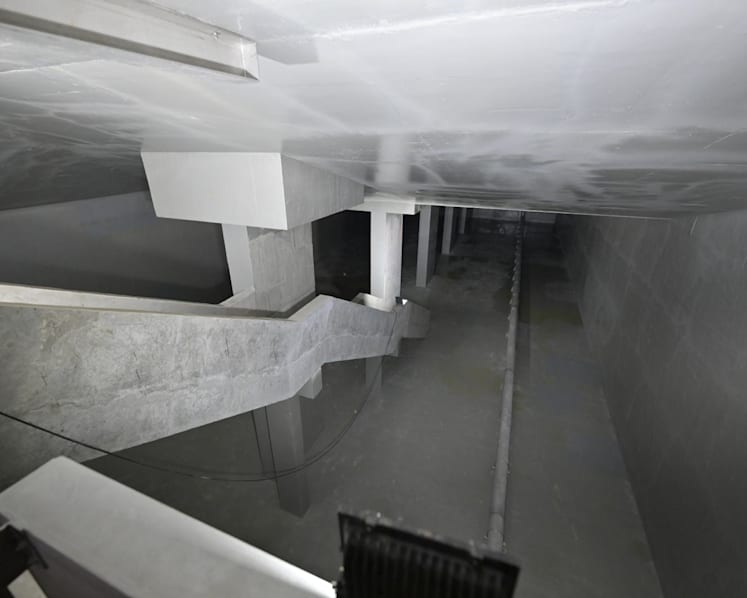
A decade in the making, Tengah's newly completed S$120 million reservoir set to serve 42,000 homes
The two five-storey high tanks, which are built on the highest point in Tengah, are set to become operational by this year.
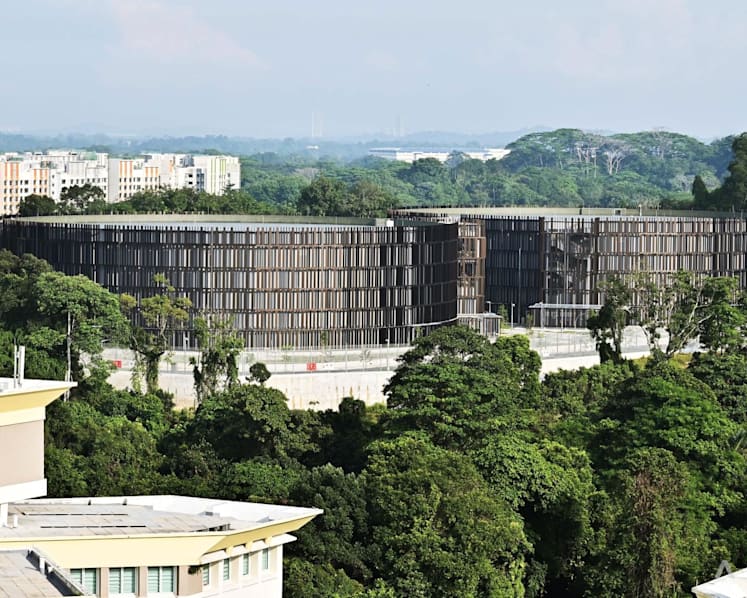
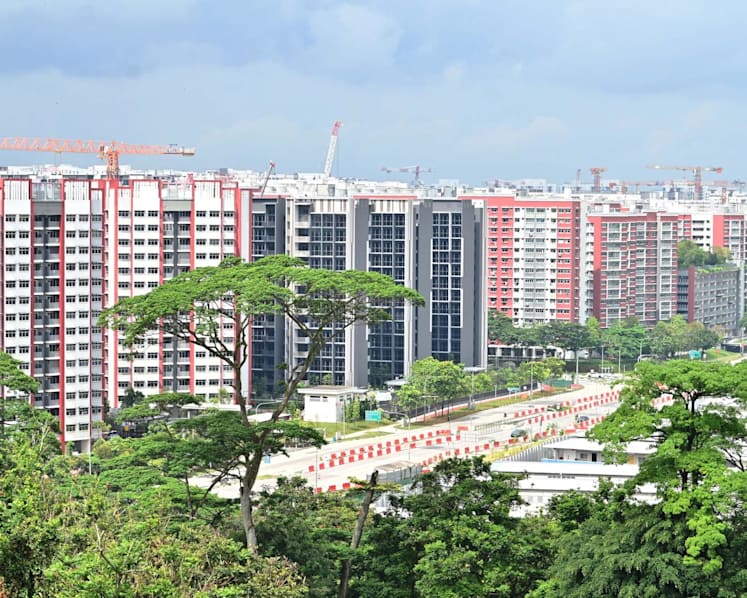
A view of Tengah Service Reservoir from a nearby HDB block on Jun 15, 2026. It is a potable water service reservoir comprising two water tanks. (Photo: CNA/Alyssa Tan)

This audio is generated by an AI tool.


SINGAPORE: Expected to serve about 42,000 households and an industrial precinct, the S$120 million (US$93 million) Tengah service reservoir is set to become operational from this year.
The plan for the service reservoir started 10 years ago in 2016, and the construction was completed even before Tengah town was fully developed, said Deputy Prime Minister Gan Kim Yong on Tuesday (Jun 16) in his opening address for Singapore International Water Week.
Comprising two five-storey high tanks with facades designed with Tengah's "forest" identity in mind, the reservoir can hold about 22 Olympic-sized pools worth of treated water and took more than three years to build.
Construction was completed in November 2025, said national water agency PUB in a media factsheet.





A service reservoir stores treated drinking water from PUB’s treatment plants before it is piped to households and businesses. Currently, more than 10 are located across Singapore, including NEWater service reservoirs for industrial customers.
Highlighting the reservoir as a testament to long-term infrastructure planning, Mr Gan said planning and investment is not only about expanding capacity.
"It is about building resilience ahead of demand, integrating water planning with urban and economic planning, and ensuring that future generations inherit systems that are robust and reliable," he added.
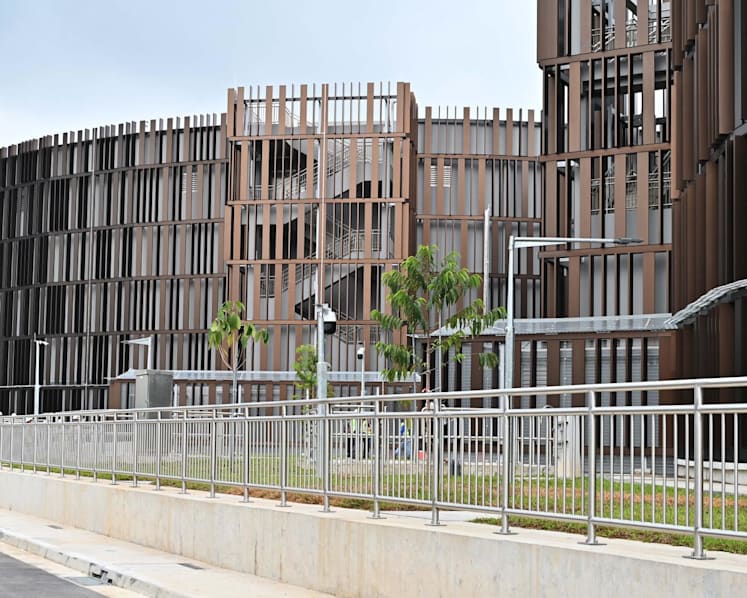
Investments must be planned and sustained over the long term, said Mr Gan in his speech.
On Tuesday, he also announced the S$12 million in funding that PUB will use to develop water efficiency and recycling solutions for wafer fabrication and data centres.
Water systems must be made more investable, scalable and resilient, while public funding will remain essential, he added.
"But the scale of the challenge means that we also need to mobilise private capital, strengthen institutions, and develop bankable projects that can deliver results at scale," said Mr Gan, who is also Minister for Trade and Industry.
Service reservoirs play an important role in Singapore’s water supply system, said PUB.
"They serve as a buffer against daily fluctuations in water demand and help maintain supply reliability during periods of peak usage or unexpected interruptions."
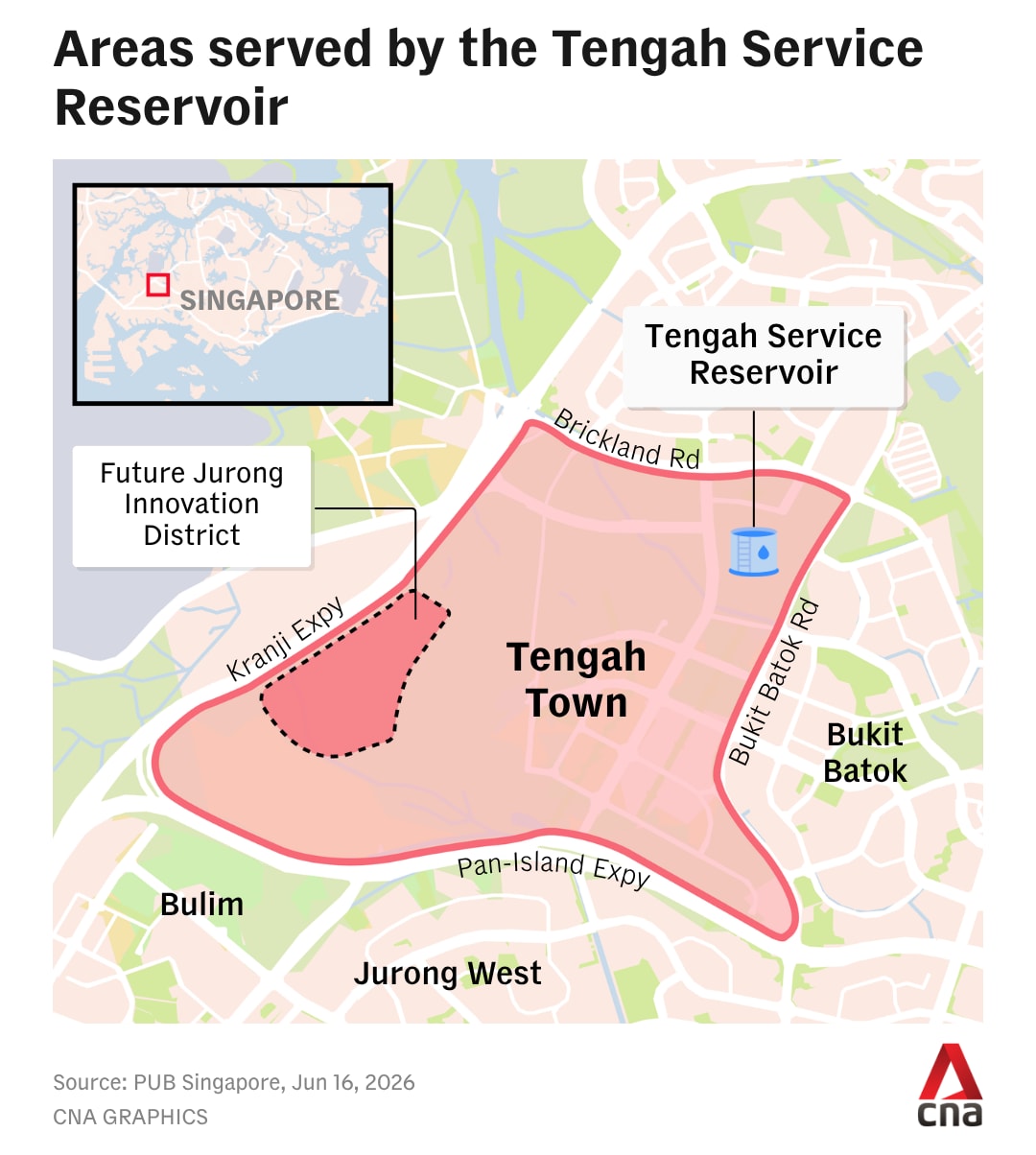
The Tengah service reservoir will support the projected increase in water demand from upcoming residential developments in Tengah and businesses in the upcoming Tengah industrial precinct, which is part of the Jurong Innovation District.
It was built at the highest point in Tengah Town at about 40m above sea level.
Since it is located on high ground, potable water can flow to the nearby estates by gravity, without the need for additional pumping, PUB said.
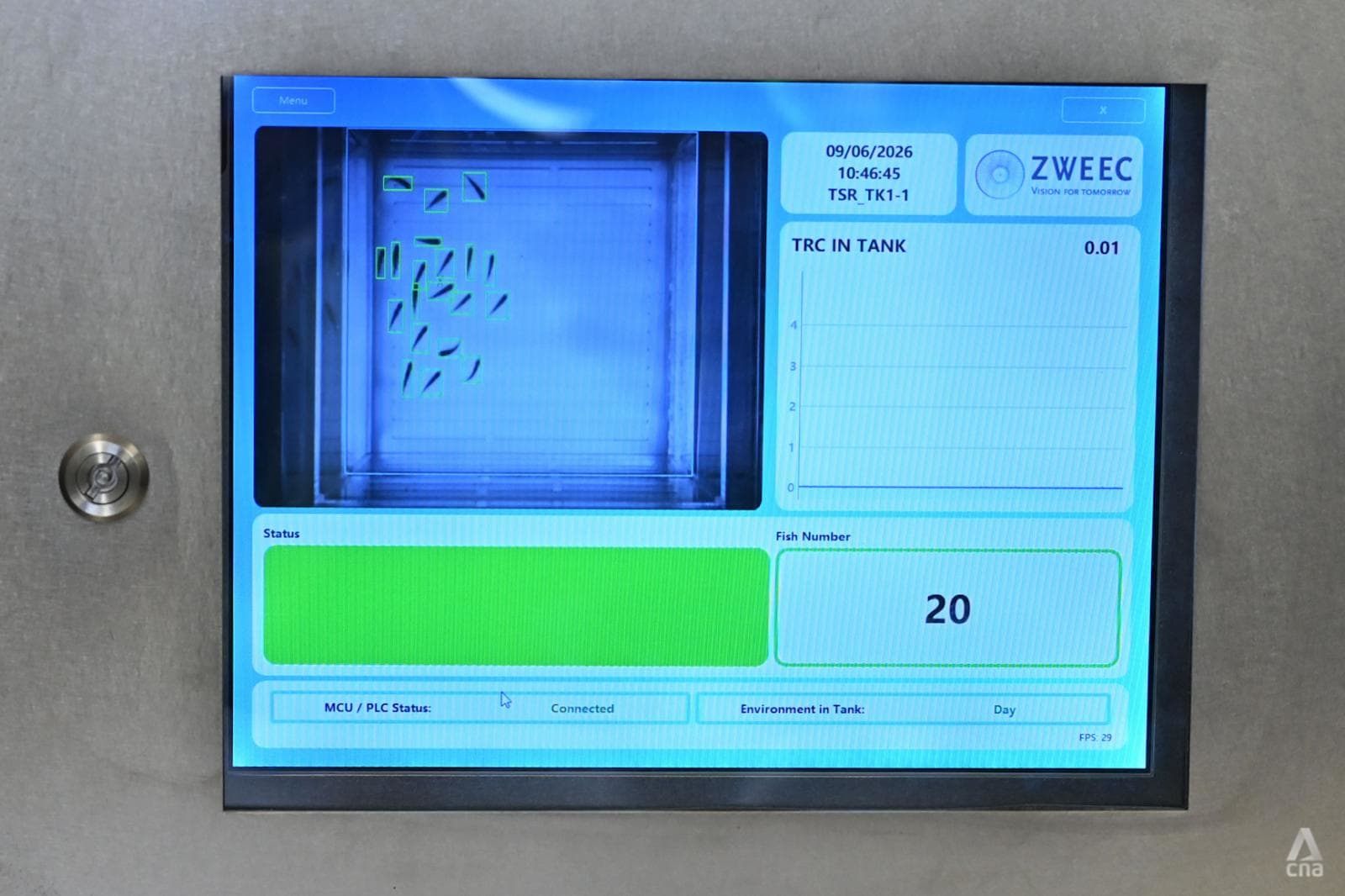
The service reservoir will be operated remotely through PUB’s centralised system that enables real-time monitoring. The water is monitored for bacteria, pH and residual chlorine – and PUB’s fish activity monitoring system is also in place.
CONSTRUCTION, ENVIRONMENTAL IMPACT
The slipform construction method was used for the first time for the construction of a service reservoir, PUB said.
This means that builders poured concrete into moulds that moved upwards as the concrete set.
In constructing the two tanks, concrete was poured continuously around the clock for seven days to cast their seamless, circular walls from the ground up.
As a result, the concrete walls of the water tanks have no construction joints, minimising the risk of water leakage, PUB said.
Since the service reservoir was developed in a forested area, PUB implemented environmental mitigation measures during construction to minimise impact to the surrounding habitat, the agency said.
This included wildlife shepherding before the site was cleared, inspecting for possible nesting areas before felling trees, and setting up temporary hoarding around work areas to prevent wildlife from entering the worksite during construction, PUB added.