







Video interviews for suspects among changes to criminal code passed by Parliament
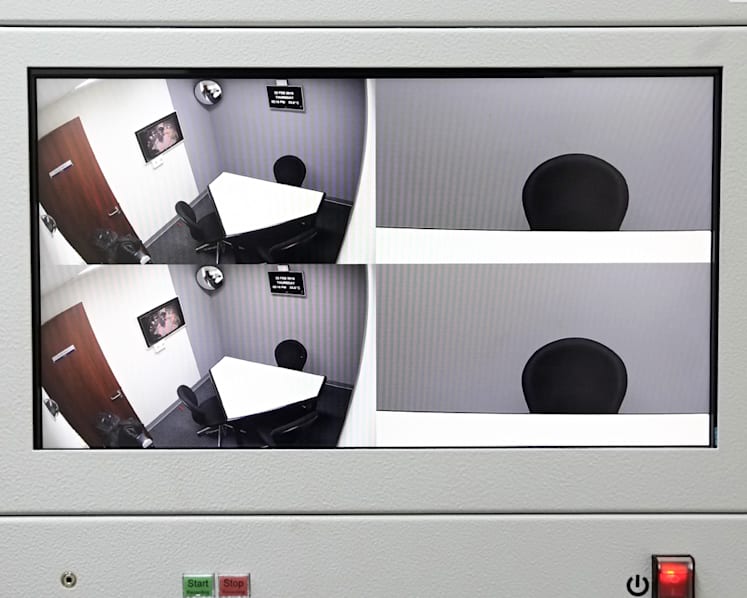
The video recording system in the Video Recording of Interviews (VRI) facility at the Police Cantonment Complex. Photo: Nuria Ling/TODAY


SINGAPORE — The video recording of interviews for suspects of certain offences will be done from different angles to capture their demeanour more accurately, with two cameras mounted in a room: One to focus on the suspect and the other to capture an overview of the place.
Much of the infrastructure is modelled on best practices in jurisdictions such as Hong Kong, where the rooms for these recordings are “purpose-built” to ensure the recordings have high sound and picture quality without compromising other operations.
More details of how video-recorded interviews by the police will be conducted were revealed by Senior Minister of State for Law Indranee Rajah on Monday (March 19), as Parliament passed wide-ranging amendments to the Criminal Procedure Code via the Criminal Justice Reform Bill and the Evidence (Amendment) Bill.
The 4.5-hour-long debate on the long-awaited changes saw a dozen Members of Parliament (MPs) rising to speak.





More than 50 wide-ranging amendments will be made across the criminal justice system, from investigative processes, court procedures and the sentencing powers of the court. Most of them will come into force by the end of the year.
Ms Indranee explained some of the procedures for video-recorded interviews while responding to MP Louis Ng (Nee Soon GRC) and Nominated MP Kok Heng Leun, who asked about safeguards to ensure the integrity of the video recordings.
Mr Ng made a point about pre-interrogation exchanges or preliminary interviews that may go unrecorded, and asked if there are guidelines to ensure the entire interview is recorded, with equal focus on the suspect and the police officer, as well as a view of the whole room.
Mr Kok said that if the suspect faces threats, bribes or offers before the video recording, it would make the footage less credible.
Ms Indranee told the House that the technology adopted is consistent with best practices “to minimise litigation” on how authentic the video statements are.
She also said that there will be various conversations between the police and the suspect from the time of arrest until the statement is taken. “It would not be feasible to record every exchange that the officers have with the accused person. The primary intent of the interview is to take the person’s statement,” she said.
TRAINING FOR POLICE
By the middle of this year, suspects in non-consensual rape offences will be required to have their interviews recorded on video. This will be available at three video-recording facilities at the Criminal Investigation Division and the Central and Bedok Divisions of the police force.
The police will undergo training, which equips them with interview skills, the administrative procedures on conducting a video interview, and how to handle any equipment breakdowns. A “sufficient” number of police have been trained to enable the first phase of video-recorded interviews to begin, she added.
Ms Indranee also addressed a question on why copies of the recording cannot be given to defence counsels even if they signed an undertaking. Those who are unrepresented may not be bound by such professional responsibilities and once a video is leaked, the harmful consequences cannot be reversed, she said.
While the video recording of victims’ statements will only begin at later stages, Ms Indranee said that the investigating officers will consider the victims’ willingness and level of comfort before deciding whether their statements will be video-recorded or written.
The authorities are “not closed to the idea” of extending the video-recording of interviews to other vulnerable suspects or suspects of other offences, but this is a complex initiative that requires certain infrastructure and training, she said.
On the amendment to extend the use of video links for the taking of pleas and sentencing, MP Sylvia Lim (Aljunied GRC) raised concerns about confidential communication between defence counsels and their clients.
In response, Ms Indranee said that the prisons already operate secure teleconferencing systems. “That has been working reasonably well. From past experience and based on our conversations with the bar, we think that there is a consensus that, with the right technology and processes, we can have systems for communications that will satisfy the requirements of the defence.”
Some of the other amendments to the Criminal Procedure Code and Evidence Act passed in Parliament on Monday include those that improve protection for alleged victims of sexual offences or child abuse, by allowing them to testify behind a physical screen so that they do not have to face the accused.
The bail regime will be strengthened, making it an offence for those who abscond while on bail or personal bond, and who leave the jurisdiction without permission if his travel documents have been impounded by investigators or if they indemnify a surety.
These amendments come after the Government has made several other changes to the criminal justice system over the past decade, including those to the Criminal Procedure Code in 2010, amendments to the Evidence Act in 2012 and changes to the death penalty regime in that same year.




