







Pritam Singh's failed appeal may cast WP chief in 'negative light' but analysts split on political fallout
One analyst described the decision as a "body blow" which raises concerns about Mr Singh's leadership and character but another said it would not be a defining moment for him.
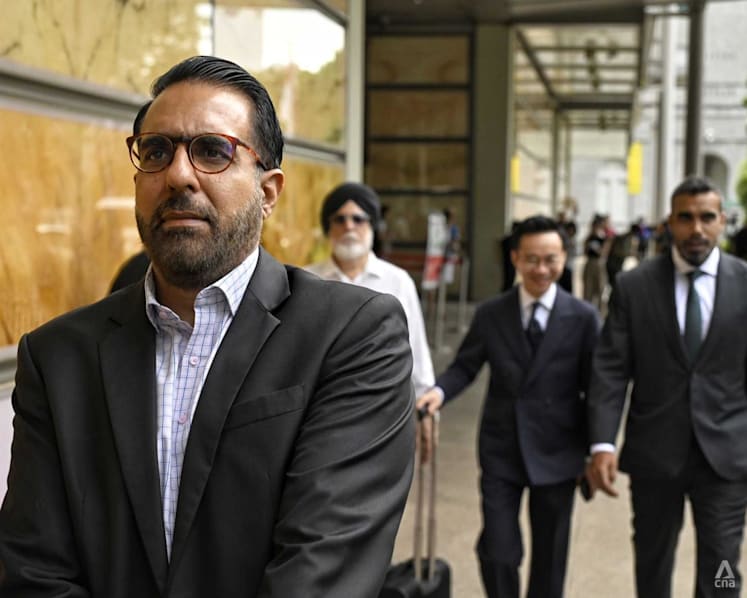
Leader of the Opposition Pritam Singh leaves the Supreme Court on Dec 4, 2025. (Photo: CNA/Wallace Woon)

This audio is generated by an AI tool.


SINGAPORE: The High Court’s dismissal of Workers' Party (WP) chief Pritam Singh’s appeal has cast him in a negative light, some analysts said, although they were divided about the extent of the political fallout.
On Thursday (Dec 4), Justice Steven Chong upheld Mr Singh's conviction on two charges of lying to a parliamentary committee about a false anecdote shared by former WP MP Raeesah Khan.
The ruling meant that Mr Singh’s sentence – a S$7,000 fine per charge – stood. He paid the fines after the conclusion of his appeal.
Justice Chong found that Mr Singh did not intend for Ms Khan to correct her falsehood for at least two months after learning of it, adding that the Leader of the Opposition’s approach was to “let sleeping dogs lie”.
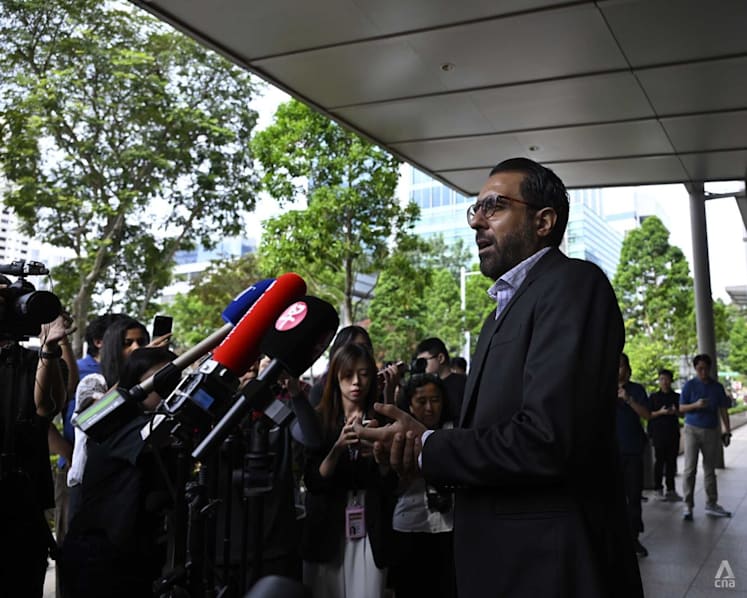
Speaking to the media after the judgment, Mr Singh said he was “disappointed” but accepted the court’s decision. He acknowledged that he “took too long” to address Ms Khan’s untruth in parliament.
LEADERSHIP AND INTEGRITY
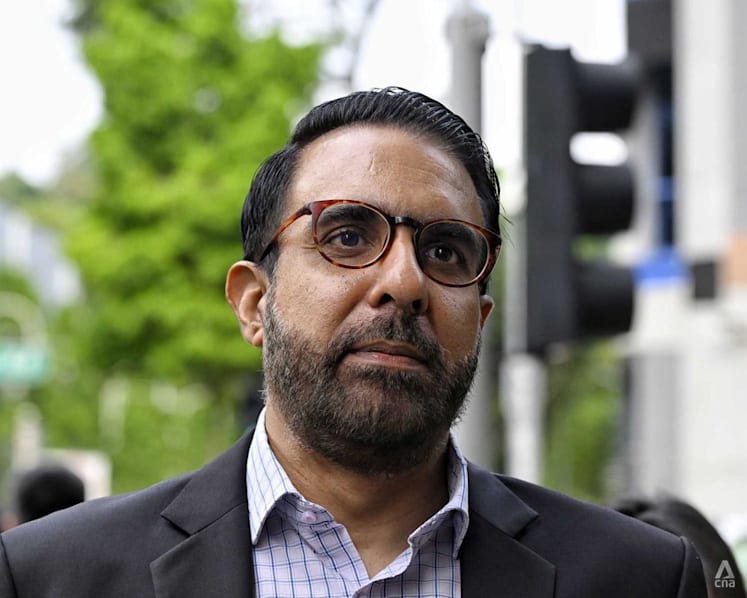
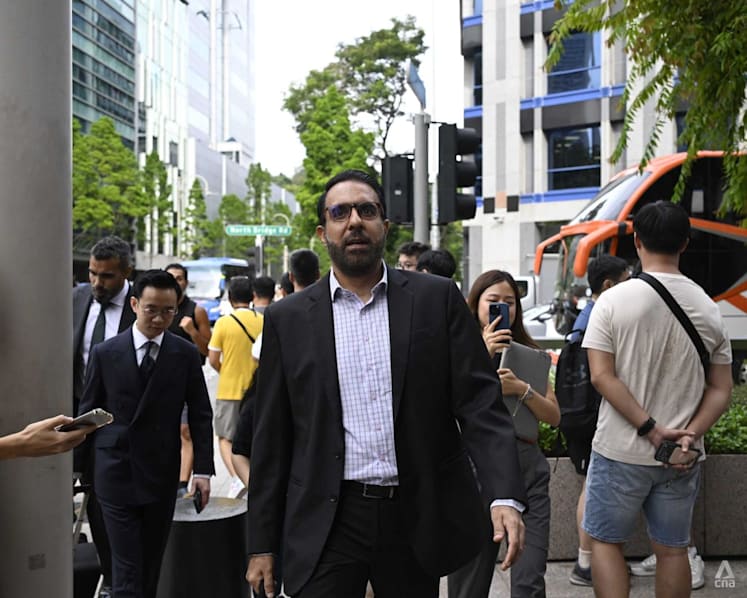
While analysts generally agreed that the episode had affected Mr Singh to some extent, they differed in their interpretations of what his handling of Ms Khan's lie revealed.
Some raised concerns about his leadership and decision-making, while others questioned his integrity and accountability.
“Being untruthful does cast a negative light on Pritam Singh, if Singaporeans expect their political leaders to reflect integrity and trustworthiness,” said sociologist Dr Tan Ern Ser, adjunct principal research fellow at the Institute of Policy Studies.
“I reckon leaders and public figures are judged by a higher standard.”
Associate Professor of Law Eugene Tan of the Singapore Management University (SMU) said the judgment also touched on Mr Singh’s ethics and judgment.
“The sting in the judgment really lies in the elaborate web of lies and obfuscation that Mr Singh conjured in order that the untruth is buried and would have no chance of resurrection,” he said.
Ms Nydia Ngiow, managing director of Global Trade and Economics at BowerGroupAsia, said that the court’s finding that Mr Singh had hoped not to address the untruth may “raise questions about decisiveness and crisis-management instincts”.
"At the same time, his public acknowledgement that he 'took too long' and accepts responsibility reflects a leadership style willing to own shortcomings," said Ms Ngiow.
For Dr Mustafa Izzuddin, a senior international affairs analyst with Solaris Strategies Singapore, Mr Singh’s remarks after the appeal verdict that he accepted the judgment "fully and without reservation" and respected the court's decision signalled that Singaporeans should continue to place their trust in the judicial system.
"And I think what he said in the aftermath of the outcome would have resonated well with many tuning in, with many in Singapore, and I think that's also a way by which he can now provide closure and focus on the tasks at hand," Dr Mustafa said.
IMPACT ON WP CHIEF, SUPPORTERS
Experts were split on how much the long-running saga would affect Mr Singh or the WP.
Dr Tan believed the case would have no "political cost" on Mr Singh’s credibility or the party’s standing, arguing that some may view it as an “error of judgment” or an "attempt to protect his party".
Ms Ngiow similarly felt the episode did not appear to have significantly damaged Mr Singh’s credibility. On the issue of supporters, Ms Ngiow said that WP's base "has historically been resilient and tends to differentiate individual missteps from the party’s broader performance".
Dr Mustafa described the case as a "hiccup" for Mr Singh, but "certainly not a defining moment" of his party leadership.
Assoc Prof Tan, however, called the court’s decision a “body blow” that the WP would rather not have.
"The decision would raise legitimate concerns to a fair-minded voter about Mr Singh's leadership and character," said the associate professor.
Still, most analysts agreed that the impact on Mr Singh’s standing within the party would be limited, partly because there was no clear contender for the top post.
But Assoc Prof Tan cautioned that the conviction remains a liability.
“Mr Singh’s grip on his party is relatively secure, but this conviction would be his Achilles’ heel that could dog his entire political career and perhaps the WP so long as Mr Singh is the leader,” he said.
LONGER-TERM EFFECT
Experts also considered the WP’s position as Singapore’s leading opposition party.
In the 2025 General Election, the WP defended its 10 seats in Aljunied and Sengkang Group Representation Constituencies (GRCs) as well as Hougang Single Member Constituency, and also gained two Non-Constituency MP seats.
Mr Singh was part of the WP team re-elected in Aljunied GRC with 59.71 per cent of the vote.
IPS' Dr Tan said Mr Singh is likely credited for WP’s good electoral performance and is viewed as a capable leader.
Ms Ngiow noted that while the saga began in 2021, it did not appear to have hurt the party at the polls. She pointed out that in addition to defending its constituencies, WP improved its vote share in Sengkang GRC.
“This suggests voters are judging the party on broader grounds, for example, its parliamentary performance and constituency work, rather than on this single incident,” she said.
“Singaporean voters tend to be pragmatic, and so long as WP continues to demonstrate competence in its wards, any long-term political damage remains containable.”
WP supporters would not have left because of the verdict, but Mr Singh now needs to work on gaining the support and confidence of voters in the middle ground who are reserving judgment on it, Dr Mustafa said.
“I think what he may need to do going forward is to let his deeds, his actions, do the talking.”
SMU's Assoc Prof Tan said that WP occupies a “unique position” in Singapore's political landscape. It is the only opposition party in the 15th parliament, and "the only party which has a standing that comes close to the PAP (People’s Action Party)".
“So this setback will be cushioned somewhat,” he said.
"The hard truth is that this final outcome is a severe reputational hit to him as a politician, a sitting Member of Parliament, the Leader of the Opposition, WP leader, and to the WP."
With the 15th parliament still in its early days, the WP and Mr Singh "will have time to put this matter behind them".
"But if he continues to cast doubt on his conviction or he or his party gets embroiled in another scandal in this parliamentary term, the special position of the WP could very quickly unravel," said Assoc Prof Tan.




