I tune out when friends start talking about babies and BTO launches, but that's okay
Experts said this unease stems not from inner conflict but from the scripted expectations we've internalised over the years.
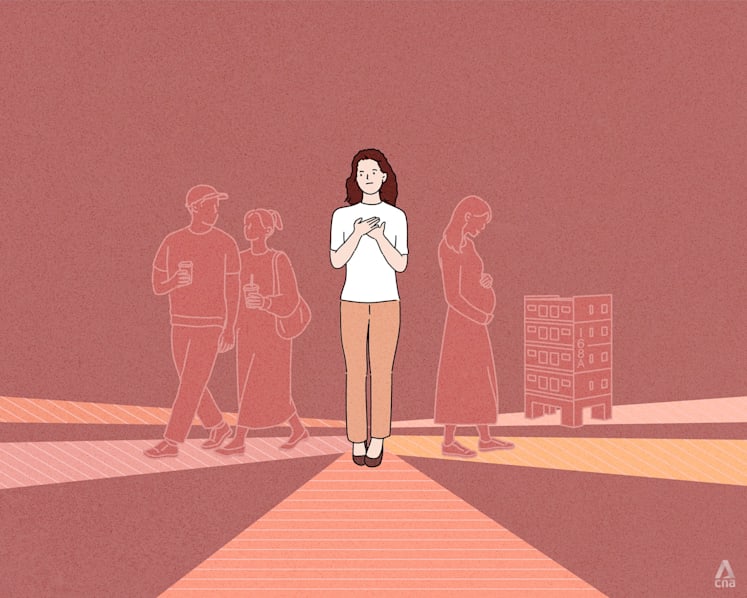
The writer is content to stick to her own timeline while many of her friends are getting married, having babies and buying homes. (Illustration: CNA/Samuel Woo)

This audio is generated by an AI tool.
Adulthood is not just one phase of life but comes in stages. Its many facets can be overwhelming, from managing finances and buying a home to achieving work-life balance and maintaining healthy relationships. In this series, CNA TODAY's journalists help readers deal with the many challenges of being an adult and learn something themselves in the process.


At this very moment, the rhythm of my life feels exactly as it should: I can travel when I like, I’m not juggling a mortgage or childcare costs, and I’m in no hurry to buy a home, get married, or think about children at all.
Most days, those decisions sit comfortably with me. But recently, self-doubt about my life choices has started to creep in, and there's even a flicker of self-consciousness and embarrassment that I'm somehow "falling behind".
My social media feed and the conversations around me of late have a lot to do with this recent unsettling feeling.
They have all started to revolve around three main topics: pre-wedding shoots, new home renovations and babies.
And it's relentless: The photos of marriage proposals that happen every other day, friends parsing Build-to-Order (BTO) launches like market analysts, and others sketching out their futures featuring children who haven't been born, or in some cases, conceived.





Some days, it barely registers and sits like white noise in the background but then there are days when it gets louder and I feel the weight of these "milestones" I'm supposedly not meeting.
It can feel strangely conflicting to be satisfied with your own life yet still feel as though it comes up short when measured against other people's timelines.
Several questions often surface for me in the quieter moments: "Am I doing adulthood wrong? Why am I not moving at the same pace as everyone else?"
As several experts told me, the unease doesn't come from an internal conflict but from the scripts we've quietly internalised.
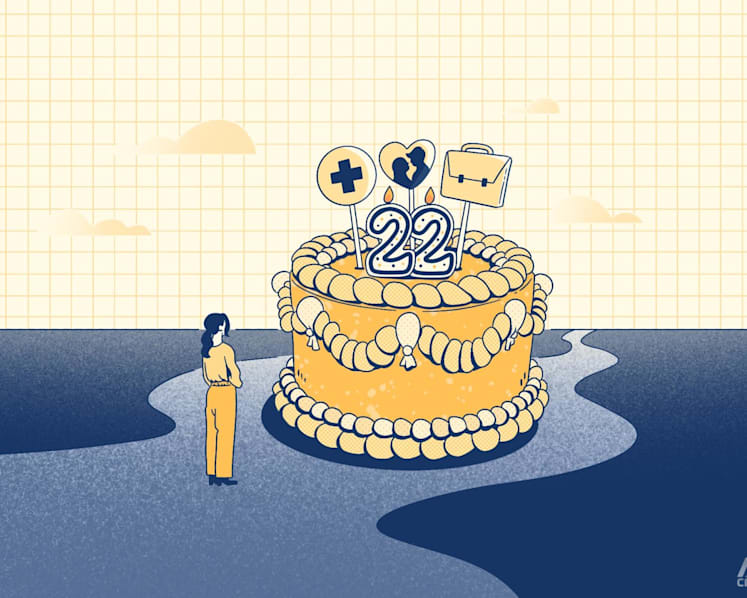
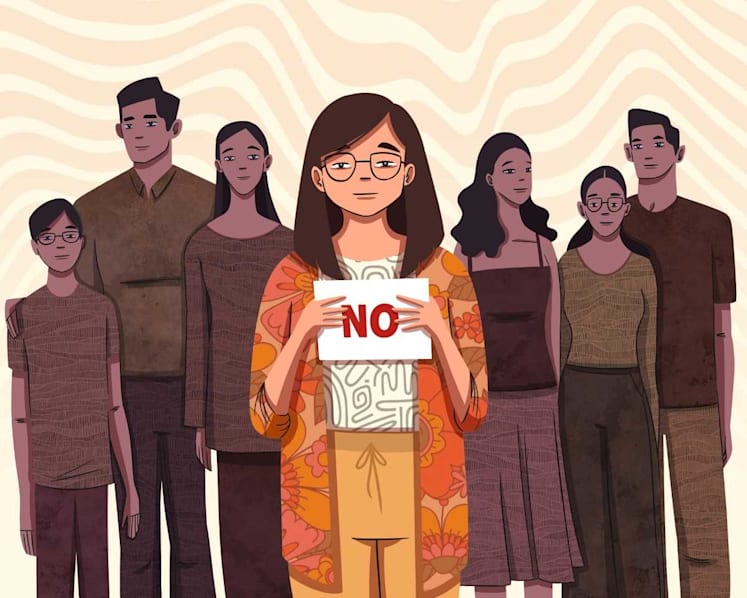
ARE YOU REALLY LAGGING BEHIND?
It's natural to believe there's only one path to adulthood when so many of the stories we grow up with — movies, books, even casual conversations — treat marriage and children as the ultimate destination.
Anything outside that script can feel like a deviation rather than a valid path of its own, said experts.
Ms Jeannette Qhek, a psychotherapist, said people carry "a silent roadmap" of what adulthood should look like and that becomes tied to their sense of worth and social belonging.
So even when someone is genuinely content, "the nervous system may still interpret deviation from these 'norms' as a threat, or a loss of belonging", said Ms Qhek, who is also a counsellor and founder of holistic therapy space Chill by Nette.
Agreeing, Mr James Chong, principal counsellor at The Lion Mind, said Singapore's cultural script links marriage, home ownership and children to "maturity and even management capability".
This means people often feel "out of step" when peers move through those milestones, while they haven't, even if they're personally satisfied with their choices.
Dr Annabelle Chow, principal clinical psychologist at Annabelle Psychology, added that much of this dissonance is fuelled by comparison, especially on social media.
"When feeds are filled with wedding photos, new homes, and baby announcements, it is easy for an individual to start questioning themselves, even if they were previously at peace with their choices," she said.
Dr Chow said this constant stream of "curated joy" can create the illusion that everyone is moving "forward" while they are standing still.
She referred to the "ticking clock fallacy," in which even if you don't desire what others have, it feels as though time is slipping away and you must justify why you're not keeping pace.
This sense of shame, said experts, doesn't stem from personal failure but from the fear of deviating from what society considers "normal".
People fear being seen as "abnormal" for not desiring what society treats as the default, said Dr Chow, adding that repeated questioning from family, workplaces, or from within social circles can wear down even strong self-assurance.
This shame can even lead individuals to avoid being honest about not wanting certain milestones and to maintain the illusion that they are still on the same path to avoid judgment, said Mr Chong.
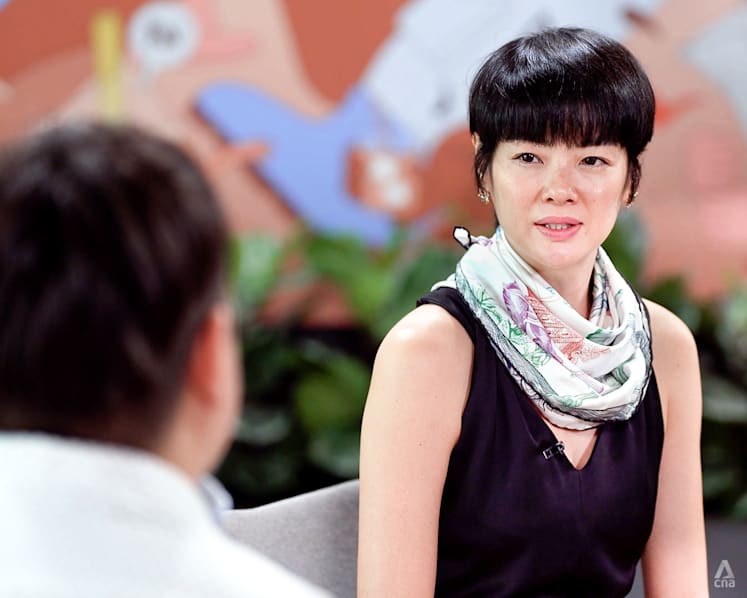
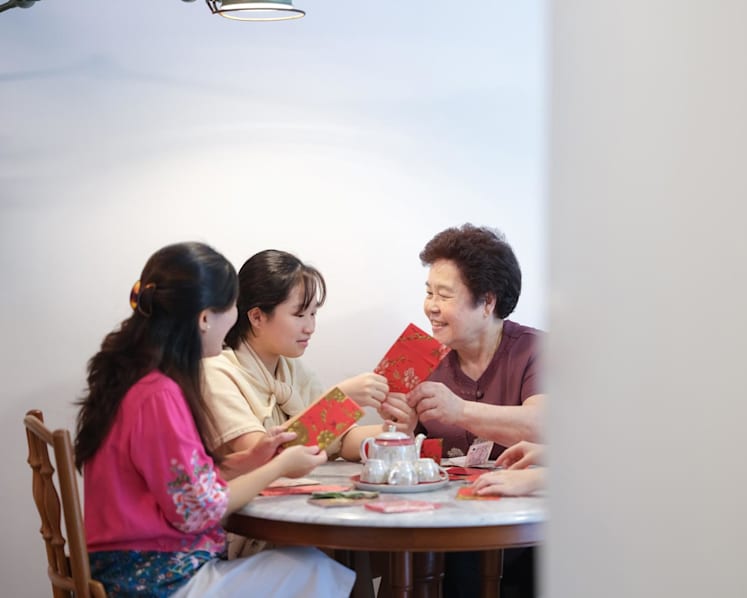

FEELING INVISIBLE AMONG FRIENDS
As my friends become homeowners and parents, it often seems like we have less and less to talk about.
Whenever conversations around the brunch table shift to marriage or housing, I feel myself pull back, sitting quieter and smaller, unsure what I can offer to the conversation.
Like me, civil servant Chen Wei Qi said she often feels left out when conversations with her friends seem to revolve around marriage, housing and children.
"I definitely see my attached friends much less," said the 30-year-old.
Ms Chen added that she feels this shift most when she wants to do things that she and her friends would previously have done together, like running errands or watching a movie.
"Now, thankfully, I’ve come to terms with doing things myself. I don’t and can’t rely on them as much as I did," said Ms Chen.
Experts said that feeling out of sync with friends is common, and often not a sign that relationships are weakening, but that conversations with these friends no longer reflect your lived reality.
Ms Qhek explained that people regulate their behaviour through feeling understood and included. When that resonance fades, you can feel "invisible" in your circles.
She said it doesn't mean you are less loved, just that the shared reality that once connected you to the group has changed.
To reduce this sense of "invisibility", Mr Chong said connecting over shared interests, such as hobbies or sports, not life stages, can reinforce existing relationships.
If not, people can find a renewed sense of belonging by spending time with other singles in interest-based communities such as gardening groups or hiking circles, he added.
Furthermore, experts said drifting apart can be healthy when it reflects genuine growth in the friendship, rather than avoidance.
"A pause (in a friendship) isn't failure, it's recalibration," said Ms Qhek.
Dr Chow noted that friendships can change shape, and letting some soften while expanding your circle "creates space for relationships that fit who you are now".
Experts also emphasised that friendships can survive diverging paths if both sides remain curious and flexible. Mr Chong described this as maintaining reciprocity while adjusting expectations, rather than forcing the friendship to stay the same as it once was.
STAY CONFIDENT ABOUT PURSUING YOUR OWN TIMELINE
For individuals to stay confident and comfortable about pursuing a different path, experts said they should shift their definition of success inward rather than taking cues from those around them.
"Confidence strengthens when individuals look inward and ground themselves in their own definitions of purpose and fulfilment," said Mr Chong.
He said that success can be defined, for example, through career achievements or by making meaningful contributions to society through volunteering.
"When individuals anchor themselves in the value of the life they are actively shaping, external expectations around relationships or family size become less defining," added Mr Chong.
Agreeing, Ms Qhek said this also means shifting from questions like: "Am I doing it right?" to: "Is this true for me?". She said it can be helpful to keep in mind that every path has trade-offs, including conventional ones.
Dr Chow said it also helps to remember that everyone sees success differently, and not following the mainstream path doesn't mean you are any less "on track".
She added that it helps to surround yourself with people who appreciate your efforts and celebrate your individuality, rather than judging you for not conforming to social norms.
"There is no single 'right' way to live a life. Every path comes with its own mix of challenges, trade-offs and beautiful moments."
Ms Chen, the civil servant, said she is not focused on societal milestones and is instead creating her own, such as travelling to more countries, obtaining her motorcycle licence, and planning her postgraduate studies overseas.
"Anything to make me feel like I’m not wasting my life waiting to hit these societal milestones," she said.