







COP30 seals climate deal that boosts finance but sidesteps fossil fuels
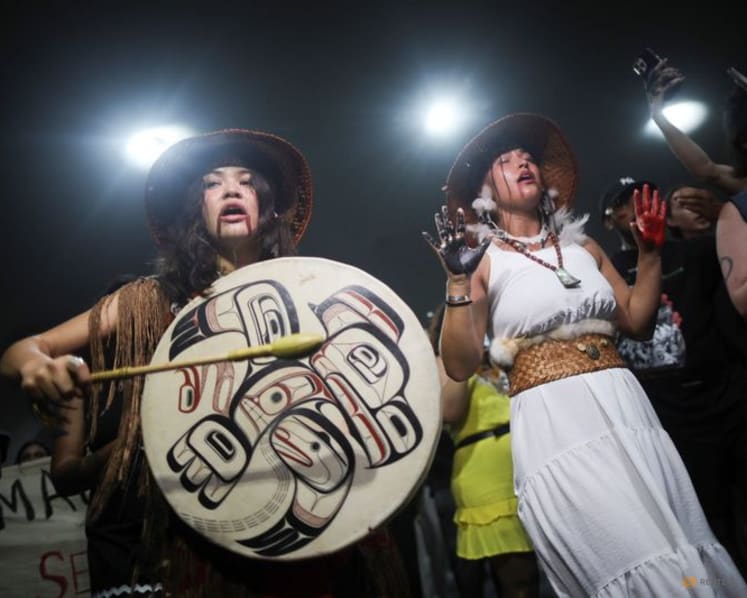
People perform during the People's Plenary at the UN Climate Change Conference (COP30), in Belem, Brazil, November 21, 2025. REUTERS/Adriano Machado
BELEM: Brazil’s COP30 presidency on Saturday (Nov 22) pushed through a compromise climate deal that boosts finance for poorer nations but omits any reference to phasing out fossil fuels, despite pressure from Europe and several Latin American countries.
The agreement, adopted in overtime after two weeks of tense negotiations in the Amazon city of Belem, was forged without the United States, which sent no official delegation.
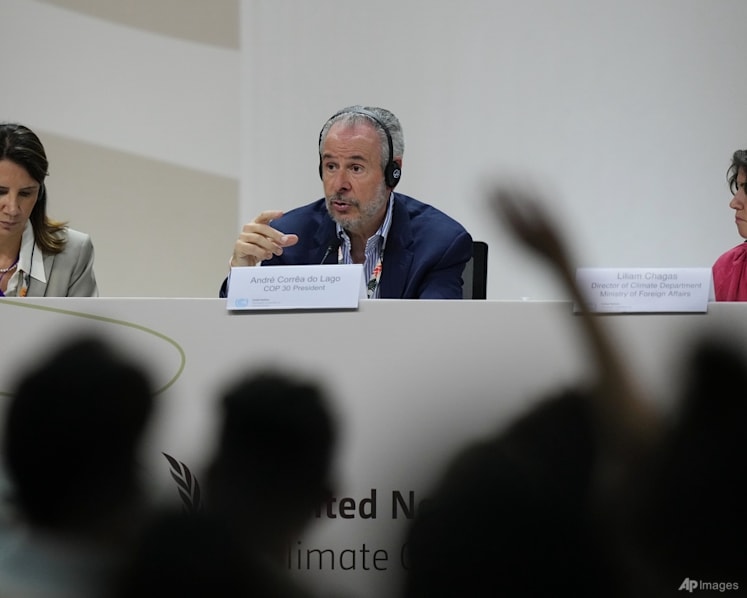
COP30 President Andre Correa do Lago acknowledged the divisions as he gaveled the deal through, telling delegates: “We know some of you had greater ambitions for some of the issues at hand.”
Several countries objected that the summit was ending without stronger plans to curb greenhouse gases or address fossil fuels, the single largest source of global warming.
FOSSIL FUEL LANGUAGE SPARKS BACKLASH





Colombia, Panama and Uruguay led the objections, insisting the final package could not ignore the scientific consensus on fossil fuels. Colombia’s negotiator warned that “a consensus imposed under climate denialism is a failed agreement”.
Their grievances centred on one of the technical negotiating texts due to be approved alongside the headline deal, not on the political declaration itself.
The three joined the European Union in demanding language on transitioning away from fossil fuels, while a coalition led by Saudi Arabia said such references were unacceptable.
The EU ultimately agreed not to block the deal on Saturday morning, with climate commissioner Wopke Hoekstra saying that although the outcome was not ideal, “we should support it because at least it is going in the right direction”.
Panama’s climate negotiator Juan Carlos Monterrey was more blunt, saying: “A climate decision that cannot even say ‘fossil fuels’ is not neutrality, it is complicity.”
FINANCE PLEDGES TRIPLED
Under the agreement, rich nations are urged to triple climate finance for developing countries by 2035, particularly for adaptation to rising seas, intensifying storms and extreme heat.
The deal also launches a voluntary initiative to accelerate national efforts to cut emissions, as countries struggle to meet existing targets.
Avinash Persaud, Special Advisor to the President of the Inter-American Development Bank, welcomed the focus on finance but warned that support for urgent “loss and damage” needs remained inadequate.
Several countries, including Sierra Leone, objected to what they saw as weak and unclear indicators for measuring progress on adaptation. Sierra Leone’s climate minister Jiwoh Emmanuel Abdulai said the list “is not the list crafted by experts” and was “unusable” for the most vulnerable nations.
SIDE TEXT ON FOSSIL FUELS AND FORESTS
Correa do Lago said the presidency would issue a separate document on fossil fuels and forest protection, keeping it outside the main deal due to the lack of consensus.
He urged countries to continue talks on those issues beyond COP30.
Saturday’s agreement also starts a process for climate bodies to examine how global trade rules can better align with climate action, amid growing concerns that rising barriers could slow the spread of green technologies.




