Iran says UN watchdog will not be allowed to inspect bombed nuclear sites
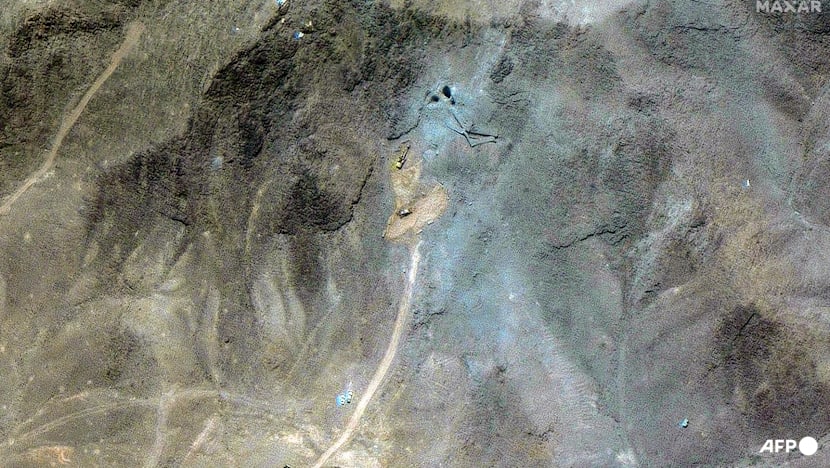
Excavators at the tunnel entrances of the Fordow Fuel Enrichment Plant, one week after US strikes on three Iranian nuclear sites early on Jun 22, 2026. (Image: Maxar Technologies via AFP)
TEHRAN: Iran said on Tuesday (Jun 23) that inspectors from the United Nations nuclear watchdog would not be given access to its nuclear sites that were bombed during the war with Israel and the United States last year.
"We have not had a meeting with the director general of the International Atomic Energy Agency (IAEA), nor do we have any plans for the agency to inspect Iran's nuclear facilities damaged by the US and Zionist military aggression," said foreign ministry spokesman Esmaeil Baqaei at a press conference in Tehran attended by AFP.
On Monday, US Vice President JD Vance had said Iran would allow UN nuclear inspectors to return, calling it "a major milestone ... and the first step in permanently denuclearising" Iran.
It followed talks between the foes in Switzerland mediated by Pakistan and Qatar.
In June last year, a 12-day war between Israel and Iran, which the US later joined, saw Washington bomb three nuclear facilities at Fordow, Natanz and Isfahan.
Iran said Natanz was again hit in the most recent war with the US and Israel, but Israel said it was "not aware of a strike".
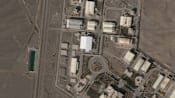

US President Donald Trump claimed last year to have "obliterated" Iran's nuclear programme, but the extent of the damage is not known.
Iran has so far denied access to the sites, citing security concerns.
Under a law passed by its parliament, Iran suspended cooperation with the IAEA in July last year, criticising the agency for failing to condemn the Israeli-American strikes.
But in September, it agreed to resume cooperation after the two sides reached an agreement on a new framework. This deal, however, did not apply to the bombed sites.
"There is basically no protocol in this regard," Baqaei said on Tuesday.
"As a member of the Non-Proliferation Treaty, as a country committed to safeguards agreements, we will continue the current procedure, and I think the current procedure is very clear," he added.