







Why a strike on Iran’s Kharg Island would shake oil markets
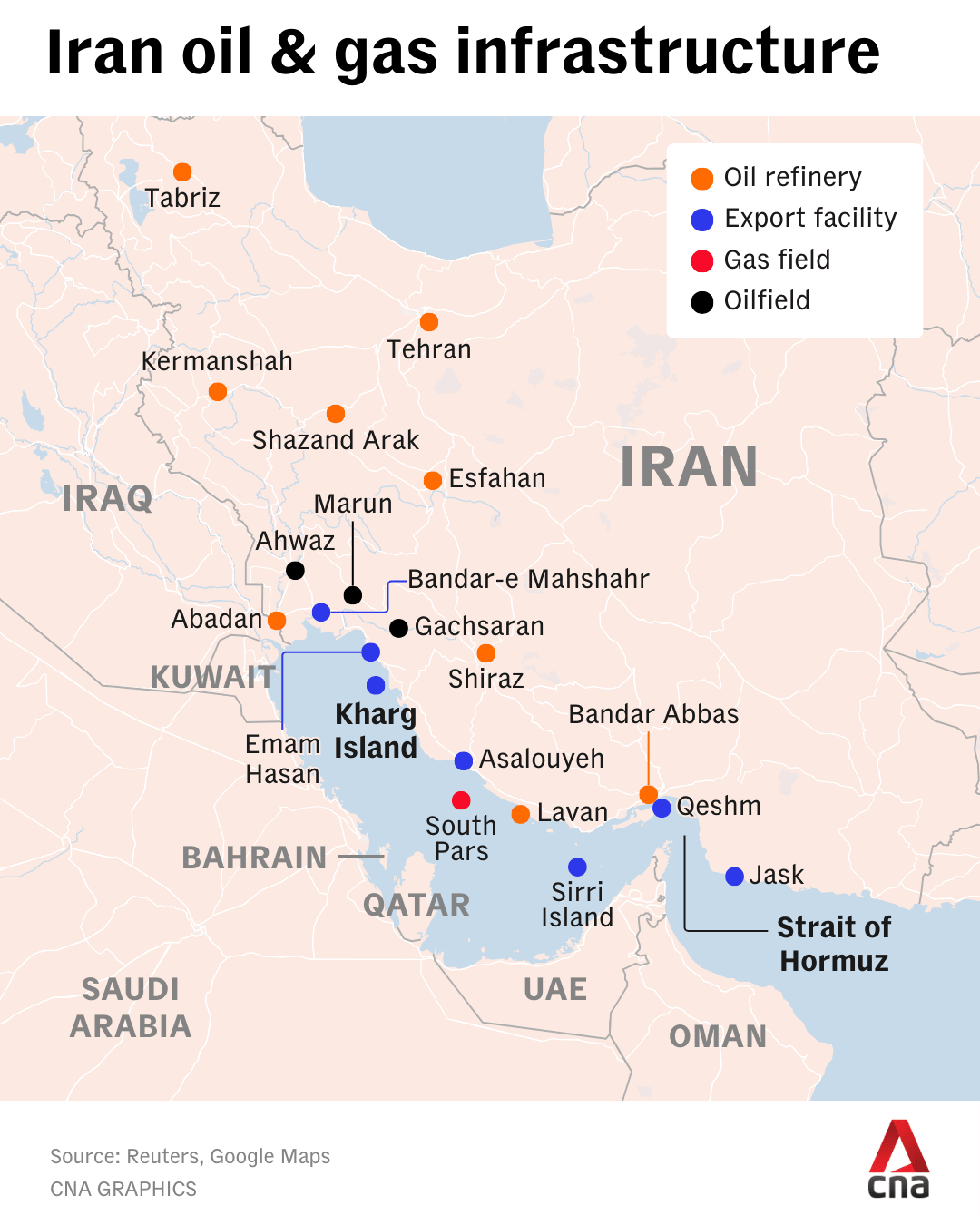
Iran, OPEC’s fourth-biggest oil producer, exports around nine out of every 10 barrels of its crude oil through Kharg Island.

A view of Iran's Kharg Island, which hosts the country’s main crude export terminal and is responsible for the overwhelming majority of its oil shipments to the world, about 25km south of the mainland in the north of the Gulf, on Mar 7, 2026. (Image: AFP/European Space Agency)

This audio is generated by an AI tool.
Iran’s oil exports hinge on a small outpost in the Persian Gulf: Kharg Island, the loading point for almost all of the country’s crude shipments.
The US and Israel have pummeled Iran with airstrikes since Feb 28 and oil shipments from the energy-rich region have slowed dramatically. But Kharg Island appears to have emerged unscathed for now.
Israel widened the scope of the bombing campaign to include energy infrastructure when it attacked fuel storage facilities in Tehran on the night of Mar 7.
If Kharg Island eventually became a target, the impact would ripple immediately across energy supply chains, with unpredictable consequences for the global economy.
WHAT'S THE IMPORTANCE OF KHARG ISLAND?





The small island lying 24km off the Iranian mainland has been an oil export terminal since the 1960s, when it was established by the American oil giant Amoco. The facility was seized by the Iranian state following the country’s 1979 Islamic revolution.
Around nine out of every 10 barrels of Iranian crude oil is exported through Kharg Island, most of it bound for China. The terminal has been handling around 1.5 million barrels per day, a volume that eclipses the output of most OPEC countries.
Shipments there are monitored closely by traders who track the ebb and flow of crude from OPEC’s fourth-biggest oil producer. Governments seeking to understand the impact of Western sanctions on Iran’s oil output also keep a close eye.
Any disruption to operations or unexpected swings in export volumes can quickly affect energy prices as traders factor in the likely impact on global supplies.
WHAT ARE THE KEY FACILITIES AT KHARG ISLAND?
The oil makes its way from Iranian oil fields through subsea pipes to Kharg Island, where it is stored before being loaded onto tankers.
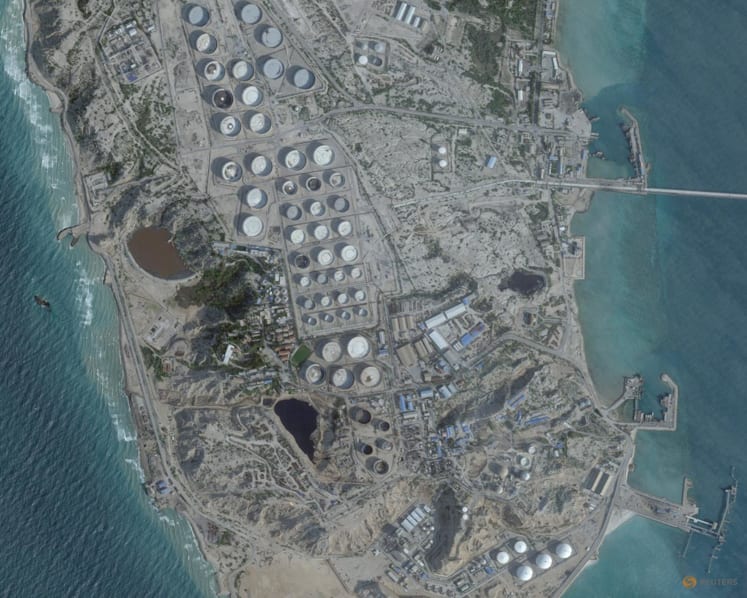
The site is dotted with storage tanks that can hold as much as 30 million barrels - about a third of the capacity of the giant US storage hub of Cushing, Oklahoma.
It has space to berth eight tankers and capacity to load more via ship-to-ship transfers.
More than 6 million barrels of crude can be loaded at Kharg Island in a day, stretching to as much as 10 million barrels if necessary, according to Iranian officials.
The island is populated mainly by oil industry workers, who transit to and from the facility through an airstrip operated by the National Iranian Oil Co.
HOW SECURE IS KHARG ISLAND?
Kharg Island hosts an Iranian naval base. But the island’s position away from the Iranian mainland could make it harder for the country’s military to protect it from aerial attacks, and outbreaks of political instability in the wider region often stoke concerns about the safety of the site.
The island was targeted by Iraqi forces during Iran’s 1980 to 1988 war with its neighbour. The facility is seen as so strategically vital for Iran that any attack that inflicts significant damage on the site would likely trigger direct retaliation by the Iranian military.
WHAT'S BEEN HAPPENING AT KHARG ISLAND DURING THE US-ISRAEL STRIKES?
Iran increased loadings of oil at the terminal before the conflict began and tankers continued to fill there after hostilities broke out - probably because Iran’s government wanted to get as much of the country’s crude as possible onto the water and out of harm’s way.
Those vessels need to transit through the Strait of Hormuz to reach global markets, and far fewer ships have been passing through the waterway since the war began on Feb 28.
WHY HAS KHARG ISLAND BEEN SPARED SO FAR?
The US and Israel have focused their firepower on Iranian missile and drone positions, other military and security targets and the Islamic Republic’s leadership.
Iran has fired missiles and drones at the US, Israel and their allies in the region in response.
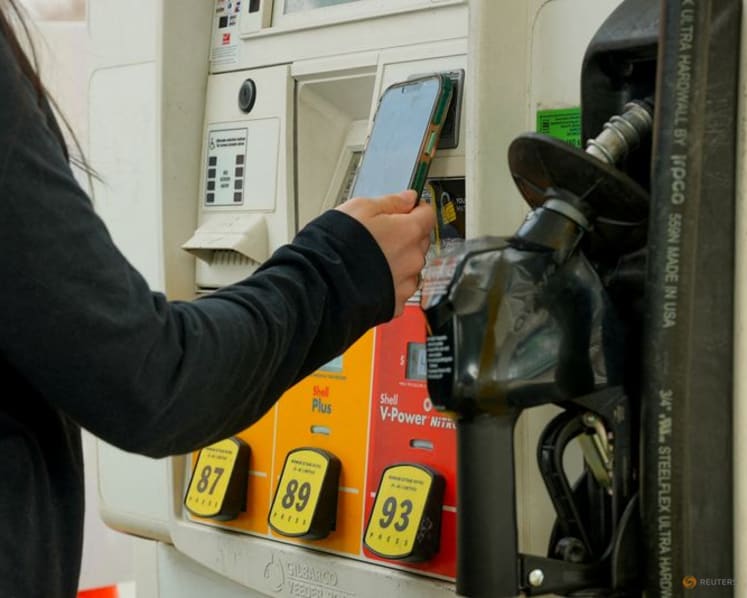
Oil prices have spiked since the conflict began, as traffic through the Strait of Hormuz was severely disrupted and Iran sought to damage energy infrastructure in other Gulf energy-exporting countries.
Airstrikes on Kharg Island could disrupt most of Iran’s oil exports for weeks or months and worsen what is already a serious economic crisis in the country. It could also spur Iran to escalate its attacks on energy facilities across the region.
While most of the oil from Kharg Island ends up in China, disrupting exports from the terminal would likely send crude prices around the world even higher, stoking inflation in major industrialised nations, including the US - something the Trump administration will want to avoid in an election year.




