OPEC+ agrees to boost oil output when Strait of Hormuz reopens
The logo of the Organisation of the Petroleum Exporting Countries (OPEC) is seen at OPEC's headquarters in Vienna, Austria December 5, 2018. (Photo: Reuters/Leonhard Foeger)
MOSCOW: OPEC+ agreed on Sunday (Apr 5) to raise its oil output quotas by 206,000 barrels per day for May, a modest rise that will largely exist on paper as key members are unable to increase production due to the US-Israeli war with Iran.
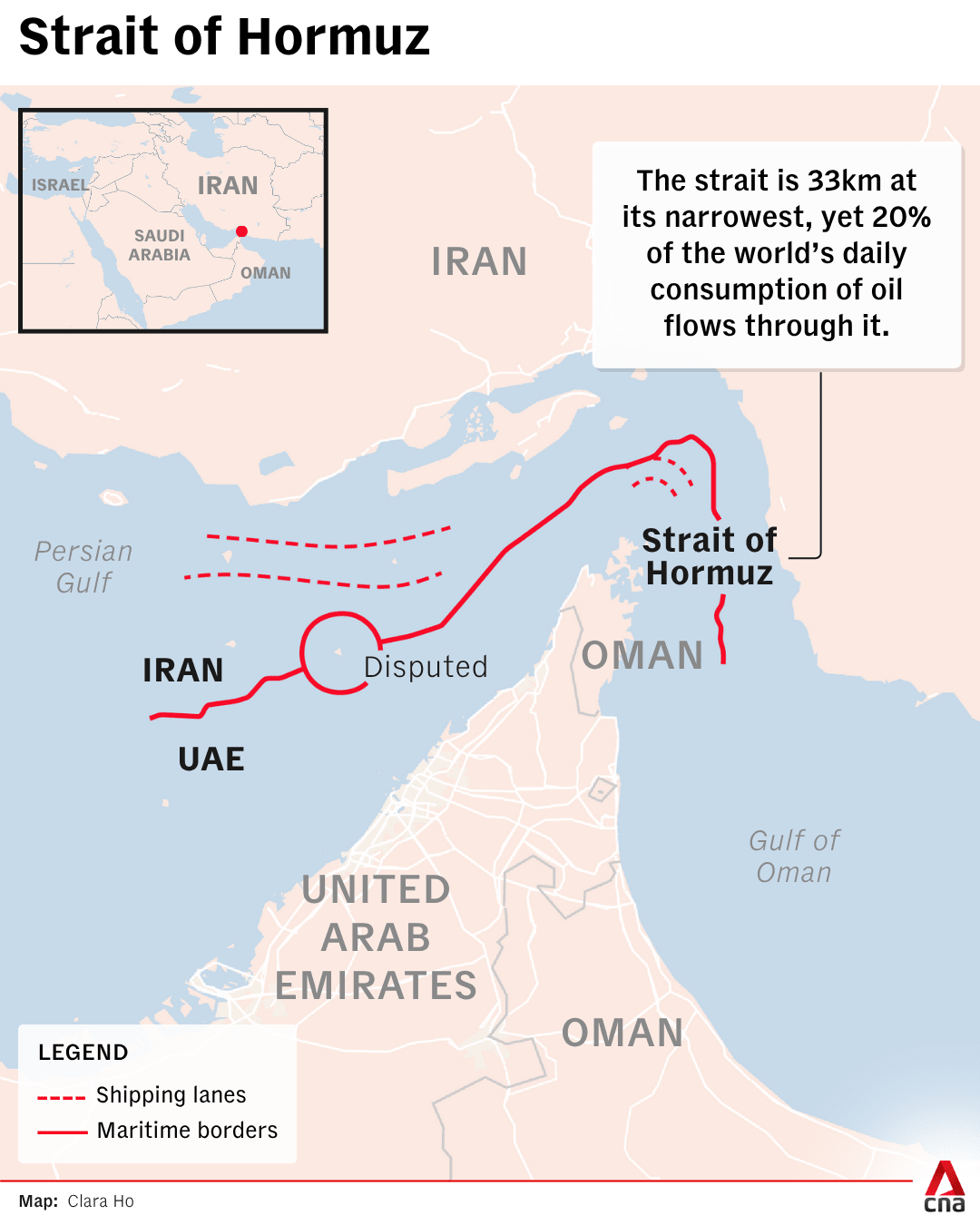
The war has effectively shut the Strait of Hormuz, the world's most important oil route, since the end of February, cutting exports from OPEC+ members Saudi Arabia, the UAE, Kuwait and Iraq. Crude prices have surged to a four-year high close to US$120 a barrel, pushing up transport fuel costs and pressuring consumers and businesses globally.
The quota increase represents less than 2 per cent of the supply disrupted by the Hormuz closure, but signals readiness to raise output once the waterway reopens. Consultancy Energy Aspects called the increase "academic" as long as disruptions persist.
"When the Strait of Hormuz is closed, additional barrels from OPEC+ become largely irrelevant," said Jorge Leon, a former OPEC official and head of geopolitical analysis at Rystad Energy.
OPEC+ CONCERNED ABOUT ATTACKS ON ENERGY ASSETS





Eight members of OPEC+ agreed to the increase in May quotas at a virtual meeting on Sunday, OPEC+ said in a statement.
Besides the disruptions affecting Gulf members, others such as Russia are unable to increase output - in Moscow's case due to Western sanctions and damage to infrastructure inflicted during the war with Ukraine.
Inside the Gulf, damage to infrastructure from missile and drone attacks has also been severe. Several Gulf officials have said it would take months to resume normal operations and reach production targets even if the war stopped and Hormuz reopened immediately.
A separate OPEC+ panel that also met on Sunday, called the Joint Ministerial Monitoring Committee, expressed concern about attacks on energy assets, saying they were expensive and time-consuming to repair and so have an impact on supply, OPEC+ said in a statement.
Iran said on Saturday that Iraq was exempt from any restrictions on transit through Hormuz, and shipping data on Sunday showed a tanker loaded with Iraqi crude passing through the strait. Still, it remains to be seen if more vessels will take the risk involved, a source close to the issue said.
WAR CAUSES WORLD'S WORST OIL SUPPLY DISRUPTION
May's OPEC+ increase is the same as the eight members had agreed for April at their last meeting held on Mar 1, just as the war began to disrupt oil flows.
A month later, the largest oil supply disruption on record is estimated to have removed as many as 12 to 15 million barrels per day or up to 15 per cent of global supply.
Oil prices could spike above US$150 - an all-time high - if flows via Hormuz remain disrupted into mid-May, JPMorgan said on Thursday.
OPEC+ groups 22 members including Iran. In recent years, only the eight countries meeting on Sunday have been involved in monthly production decisions, and they started in 2025 to unwind previously agreed output cuts to regain market share.
The eight raised production quotas by about 2.9 million barrels per day from April 2025 through December 2025, before pausing increases for January to March 2026.
The eight hold their next meeting on May 3.