China expands economic footprint in turbulent South Sudan
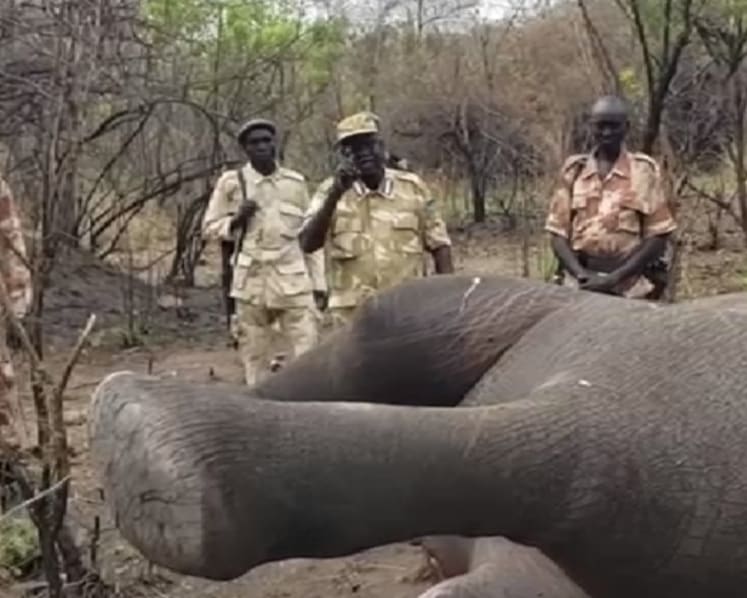
China’s engagement in South Sudan stretches back to the 1990s, well before the civil war that culminated in the country’s independence in 2011, and continued through subsequent conflicts.
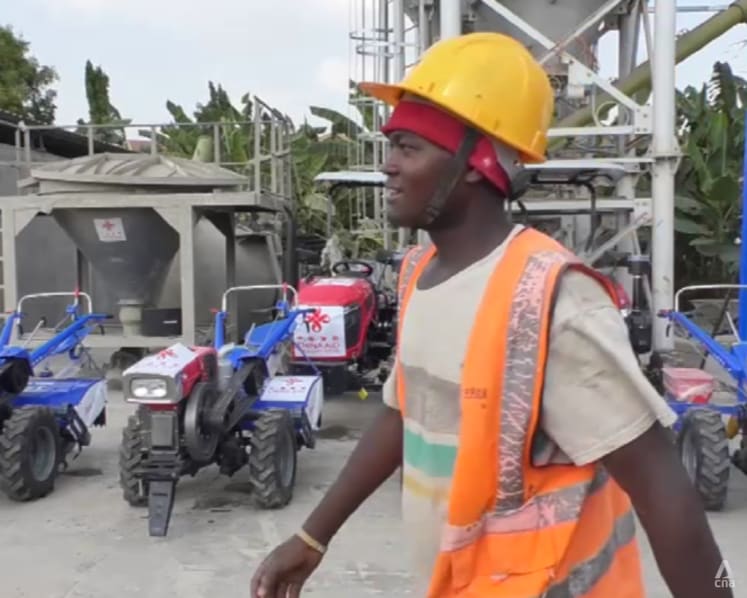
A worker walks past farming equipment donated by Chinese developer Zhaotai Group, as part of Beijing’s broader push to deepen ties with South Sudan.

This audio is generated by an AI tool.
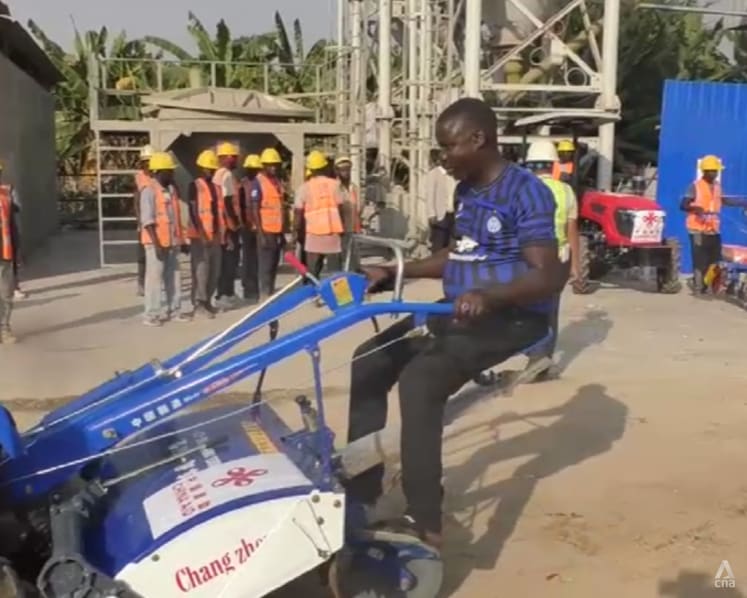
JUBA: In South Sudan’s southwestern Western Azande Kingdom, 22 new tractors and farming equipment are being hailed as tools of peace.
The equipment, donated by Chinese developer Zhaotai Group, is part of Beijing’s broader push to deepen ties with the world’s youngest nation, even as renewed fighting between rival factions threatens the country’s fragile peace agreement.
“All the support that we are getting from China is for building peace and for agricultural production,” said Azande King Toroba Peni Rikito Gbudue.
The king believes the path to peace is through the soil. He said that commercial farming can create jobs for young men who might otherwise be drawn into armed groups, reducing the risk of localised violence in a region long vulnerable to instability.





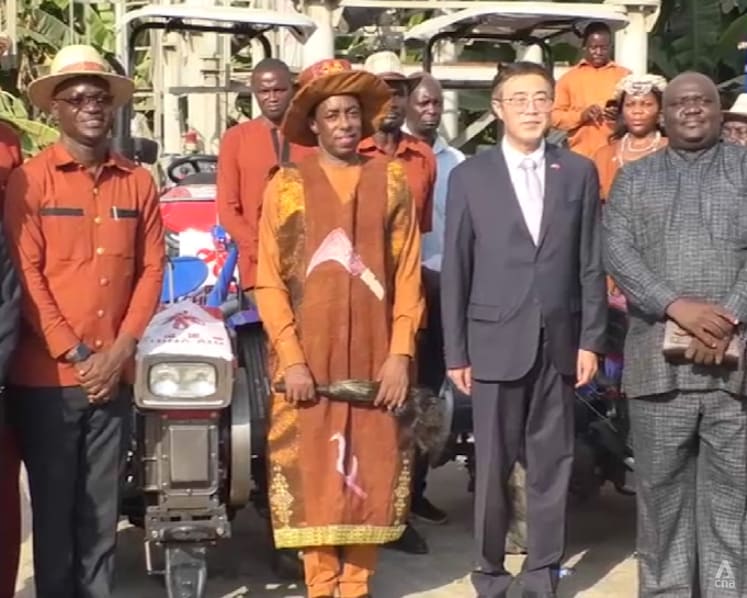
China’s ambassador to South Sudan, Ma Qiang, framed the agricultural support as part of a broader development partnership.
"China is willing to share development experience and opportunities with South Sudan,” he said. “Strengthening cooperation in agriculture and other fields can help South Sudan's economic diversification.”
A LONGSTANDING PARTNER
China’s engagement in South Sudan stretches back to the 1990s, well before the civil war that culminated in the country’s independence in 2011, and continued through subsequent conflicts.
Today, China is South Sudan’s largest foreign investor, with a dominant presence in the oil sector.
But recent renewed fighting between government and opposition forces is raising concerns that the country could slip back into full-scale war.
The United Nations has sounded the alarm that the 2018 Revitalized (Peace) Agreement is at serious risk of collapse and called for urgent, coordinated regional intervention to salvage the faltering peace process.
“We are perilously close to a civil war than we were five to six years ago. We are in a situation where the peace agreement is in threat,” said Lieutenant-General Mohan Subramanian, the outgoing force commander of the UN Mission in South Sudan.
Against that backdrop, Beijing has maintained that stability in South Sudan is firmly in its interest.
At the same time, it has avoided direct political involvement, instead emphasising development aid, infrastructure investment and community-level support.
That approach appears to be winning support in parts of the country, where communities are increasingly weary of persistent violence.
“Here in South Sudan, the warring parties are not targeting the foreigners … The people here are aware that China is a friend to the people,” said Simon Atem, a South Sudanese journalist and political analyst.
BEYOND OIL AND AGRICULTURE
China’s footprint in South Sudan extends beyond oil fields and farmland.
In Juba, Beijing has long backed a major expansion of the Juba Teaching Hospital, adding a new complex, specialised units and hundreds of additional beds. Chinese medical teams rotate through the capital each year, providing clinical services and professional training.
“They have conducted training of different categories. (Some) are conducted here in the country, and we also send our people to China,” said Anthony Lupai, director general of the hospital.
Beijing has also supported the education sector by renovating schools, donating textbooks, training teachers and offering scholarships for South Sudanese students to study in China.
Ambassador Ma added that Beijing will further enhance educational and cultural ties with South Sudan and help “build a China-Africa community with a shared future”.
A BROADER STRATEGIC SHIFT
Beyond South Sudan, China is deepening its engagement in the continent, positioning itself as a key economic and security actor across Africa.
“China is not just a well-known economic juggernaut, but also, under the radar, deepening its security footprint as Africa’s security landscape changes,” said analyst Alessandro Arduino.
He pointed out that traditional security guarantors in Africa are increasingly distracted, creating space for China to expand its presence and protect its interests, particularly along the Belt and Road Initiative.
The United States, long viewed as a leading security guarantor in the region, has shifted focus towards the Western Hemisphere as a top national security priority under President Donald Trump.
Meanwhile, European powers are preoccupied with the war in Ukraine.
“Hence, China is slowly increasing its presence as a security guarantor, providing transfer of arms at a reasonable price,” said Arduino, an associate fellow at the Royal United Services Institute (RUSI), a defence and security think-tank.
While China is not deploying boots on the ground, it has expanded arms sales, military training programmes and joint exercises across Africa. Beijing has also established military facilities and ports and increased the presence of Chinese private security firms in the region.