Indonesia’s US$80 billion stock market rout: What hopes, fears do retail investors and experts have?
Experts warn that the episode marks a critical test of Indonesia’s ability to restore investor trust amid growing scrutiny of transparency, enforcement, and political influence in its financial markets.

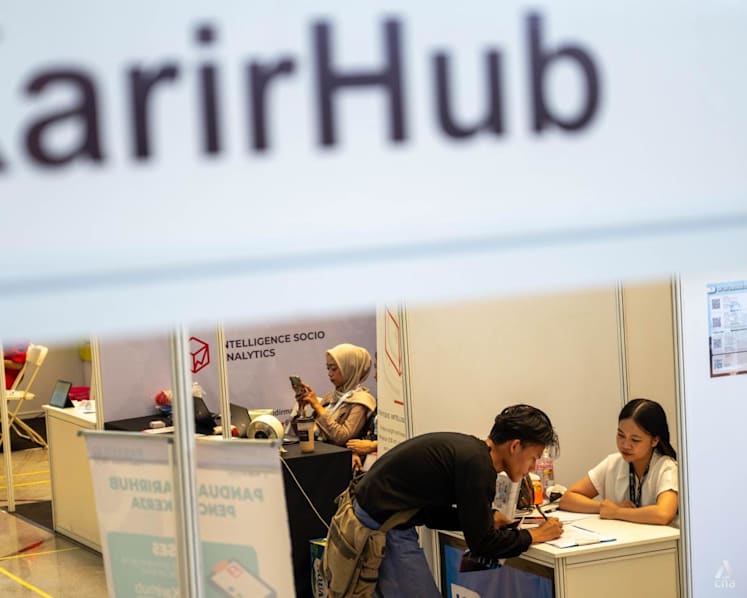
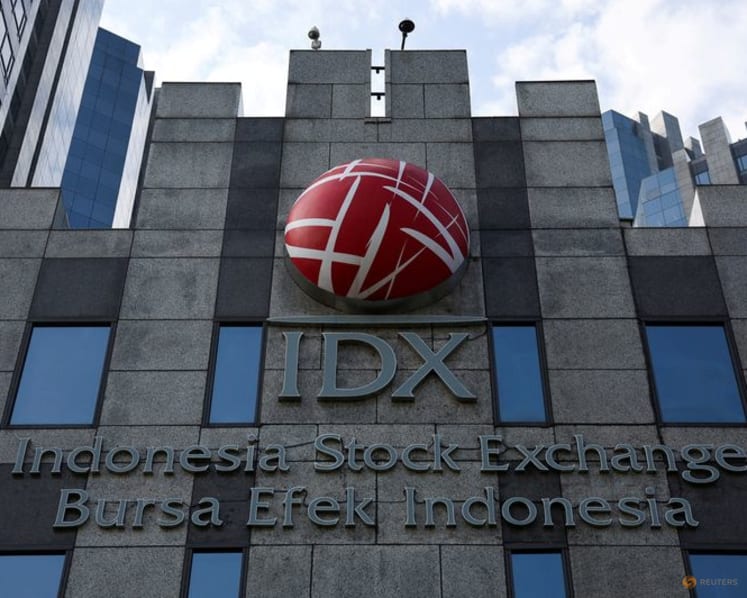
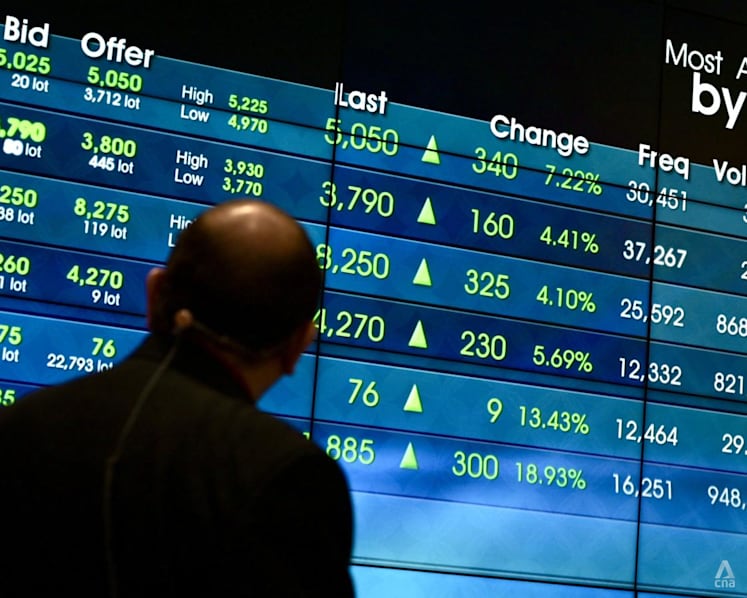
A worker at the Indonesia Stock Exchange in Jakarta. (Photo: CNA/Ridhwan Siregar)

This audio is generated by an AI tool.


JAKARTA: Retail investor Mouammari Febry, 43, saw her financial portfolio fall by tens of millions of rupiah in just a few days, when Indonesia’s stock market plunged last week.
Although she had experienced some losses during the COVID-19 pandemic previously, the speed of the latest decline - followed by a string of resignations at the helm of the stock exchange and financial regulators in Indonesia - has left her uneasy.
“It’s not just about prices. It’s the uncertainty and how the market is being managed,” said Febry, who has been investing in shares for more than a decade and works at an Indonesian state-owned firm.
Her portfolio is worth about 100 million rupiah (US$5,960), so she was staring at a significant paper loss, though she declined to give specific figures.
Indonesia’s market rout, which started last week and has continued on Monday (Feb 2), is one of its sharpest in years.
It has erased more than US$80 billion in market value, and has since spiralled into a broader crisis of confidence, triggering leadership resignations at key financial institutions and prompting the government to signal possible state intervention.
The sell-off began after global index provider Morgan Stanley Capital International (MSCI) flagged concerns last week about transparency, low free float, and beneficial ownership in several Indonesian stocks.





Free float refers to the number of a company's outstanding shares that are readily available for trading in the open market.
MSCI even warned that Indonesia could be reclassified from an emerging market to a frontier market, like Sri Lanka and Bangladesh, if no resolution was reached by May.
Last Wednesday, the benchmark Jakarta Composite Index fell sharply, triggering multiple trading halts and wiping out significant market value.
The index dropped more than 8 per cent on Wednesday and Thursday, but closed 1.18 per cent up on Friday, though it again slumped on Monday - by 4.88 per cent.
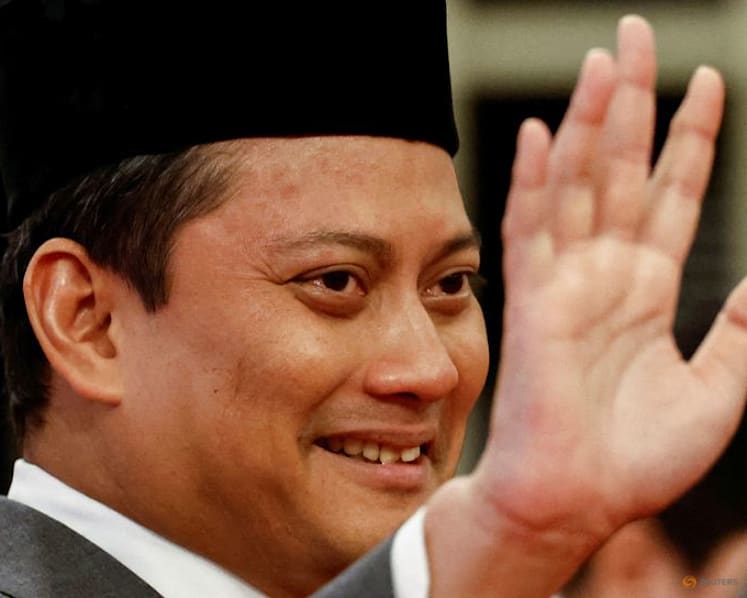
As a consequence, the President Director of the Indonesia Stock Exchange Iman Rachman resigned on Friday. This was followed hours later by the resignation of Financial Services Authority (OJK) chairman Mahendra Siregar as well as several other senior officials.
Their departures marked one of the most dramatic leadership shake-ups in Indonesia’s financial sector since the Asian Financial Crisis in 1998, said analysts.
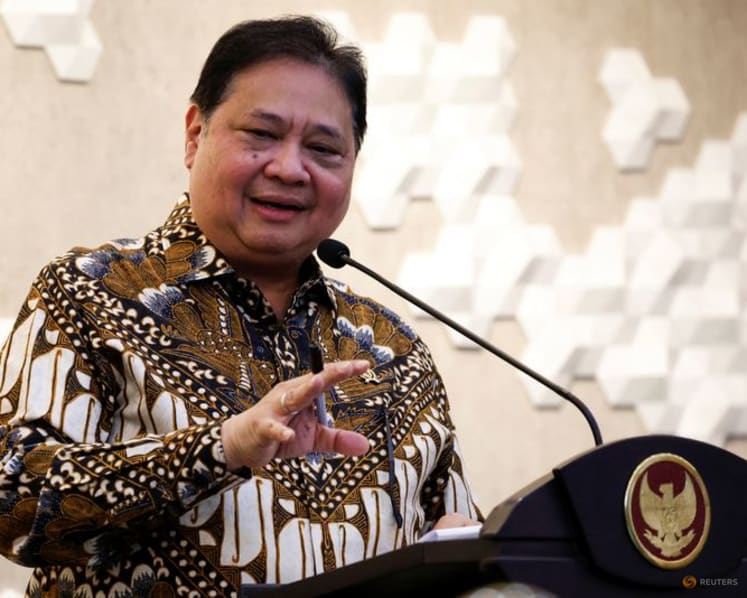
Government officials sought to quickly reassure markets. Coordinating Minister for Economic Affairs Airlangga Hartarto said late on Saturday that President Prabowo Subianto had ordered steps to safeguard market integrity and liquidity.
Among the measures under discussion, Airlangga said, was the potential involvement of Danantara - the state sovereign wealth fund - to help stabilise markets if needed. Danantara could potentially act as a strategic investor which supports governance and risk management.
The minister also reiterated plans to raise the free float from 7.5 per cent to 15 per cent, allowing pension and insurance funds to increase their capital market exposure.
On Sunday, acting OJK chairwoman Friderica Widyasari said the regulator will focus on market reform across four key policy areas, namely minimum free-float requirements, transparency of share ownership, trading governance, and law enforcement, without providing more details on what these would entail.
However, analysts whom CNA spoke to said that without credible reforms to market governance and regulation, volatility could persist despite short-term stabilisation efforts by the authorities.
"Without public clarification and a credible legal process (to find out what is really going on), the market will continue to be haunted by speculation and mistrust," said economic analyst Yanuar Rizky of Bejana Investidata Globalindo (BIG).
Economists further warned that the episode marks a critical test of Indonesia’s ability to restore investor trust amid growing scrutiny of transparency, enforcement, and political influence in its financial markets.

ROOT CAUSES
The turmoil in Indonesian stocks goes far beyond a single MSCI warning, experts said.
Executive director of think tank the Center of Economic and Law Studies (CELIOS) Bhima Yudhistira said MSCI had raised concerns about Indonesia’s stock exchange transparency as early as October 2025.
But reforms were slow and inconsistent, he said.
“What shocked markets was not MSCI’s assessment, but the lack of credible follow-through by domestic authorities,” said Bhima.
Meanwhile, senior economist Tauhid Ahmad from the Institute for Development of Economics and Finance (INDEF) said the market had already been fragile.
“The index rose sharply (during the past year) without being supported by fundamentals. Liquidity was thin, and prices were easily distorted.”
He added that this made the market highly vulnerable once MSCI's scrutiny intensified.
Meanwhile, Yanuar from BIG pointed to a recurring pattern of sharp rallies followed by steep declines after key information was released.
While stressing that assessments from MSCI and global banks such as Goldman Sachs were valid, the economist questioned whether weak enforcement had allowed speculative practices to persist.
“So it's only right that they (heads of Indonesia's financial regulator and the stock exchange) stepped down,” he said.
IMPACT OF MARKET ROUT
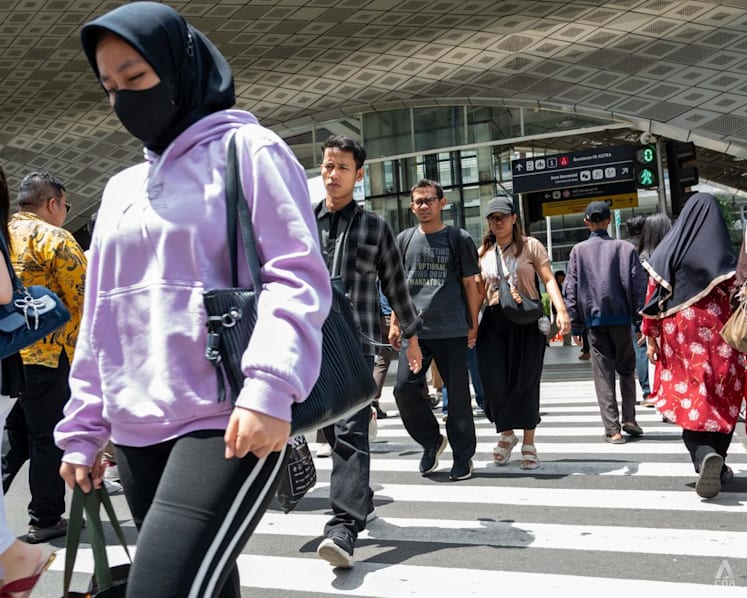
The turmoil has accelerated foreign capital outflows, extending a trend seen throughout 2025, said analysts. This could put pressure on the rupiah, they added, and may increase imported inflation, among other issues.
Among those affected by the market rout is Kars - a Tangerang-based retail investor who has been investing in Indonesian stocks since 2015.
Over the past few days, she has lost about 400 million rupiah - or some 20 per cent of her portfolio - due to the turmoil in the Indonesian market.
“I have seen things like this before. So, I will just wait,” said Kars, who wants to be identified only by her nickname.
The 45-year-old banker is optimistic that the government will soon take measures to stabilise the market.
“I am sure the government will act quickly. In the near future, I just want them to intervene more actively because at the moment, even the usual stocks like banking, which are normally good, are also down," said Kars, who remains hopeful of her stock market prospects.
Jakarta-based housewife Nindita, 41, is another retail investor who has suffered about 10 per cent in paper loss since the market crash.
“The impact is that my net worth has decreased … I feel sad,” said Nindita, who only wants to be known by her first name.
Having been an investor for the past six years, she now hopes the market will soon recover.
Retail investors like Febry, Nindita and Kars have now largely shifted into a "wait-and-see" mode, as they hope for the market to recover and are willing to wait as they have no urgent monetary needs currently.
Bhima from CELIOS said that while this is still in the early days, if outflows continue, they will affect investors’ perceptions of Indonesia. These investors may be wary of investing in Indonesia, which could potentially hinder job growth.
He is also concerned about the rupiah getting weaker, especially as the Islamic holy month of Ramadan approaches in about two weeks, when Indonesians in the world’s largest Muslim-majority country tend to spend in preparation for Hari Raya.
The rupiah has fallen about 2 per cent in recent weeks against the United States dollar, placing it among the worst-performing emerging Asian currencies.
This could lead to imported inflation, where prices rise due to the high cost of imported goods.
Analysts also predict some companies may delay their initial public offerings amid heightened uncertainty and tighter free-float requirements.
This means that firms may not have enough capital injection, said Tauhid from INDEF.
Separately, economist Yanuar from BIG warned that “the real risk is that this spreads beyond markets”.
“Currency weakness eventually affects purchasing power, jobs and growth,” he said, adding that if the situation worsens, it could spiral into an economic crisis and eventually a political one which could adversely affect the government.
WHAT’S NEXT?
The experts believed that the government now needs to quickly appoint permanent, competent leaders for OJK - the financial regulator - as well as the Indonesian Stock Exchange in order to restore market confidence.
Bhima from CELIOS cautioned that political intervention or conflicts of interest, including state-linked entities stepping into the market, could backfire if not handled transparently.
Senior economist Tauhid urged regulators to prioritise market supervision, transparency and enforcement, and to reassess the timeline for reforms tied to MSCI requirements.
He warned that the May deadline before Indonesia potentially gets downgraded to a frontier market is too soon, adding that the authorities should negotiate for a more realistic timeline.
Tauhid also said stabilising prices without fixing governance issues will only delay the problem.
Chairman of the National Economic Council Luhut Pandjaitan said in a statement on Monday that short-term volatility is a “normal feature” of market dynamics and does not change Indonesia’s underlying economic fundamentals.
“More importantly, MSCI’s feedback should be seen as an opportunity to accelerate structural reforms so Indonesia’s capital market becomes sound, more transparent, and more competitive,” said Luhut, a retired army general who served as a minister in previous governments.
“We should not panic.”
For now, investors like Febry are watching closely for the next developments.
“To the government: please do better, work better. This can be done by placing the right people in the right profession who are willing to correct the existing system.”