Malaysia has potential to be a global leader in rare earth production: French special envoy
French special envoy Benjamin Gallezot tells CNA how a partnership between Malaco and Carester could help Malaysia develop a full rare earth value chain and attract interest from foreign investors.
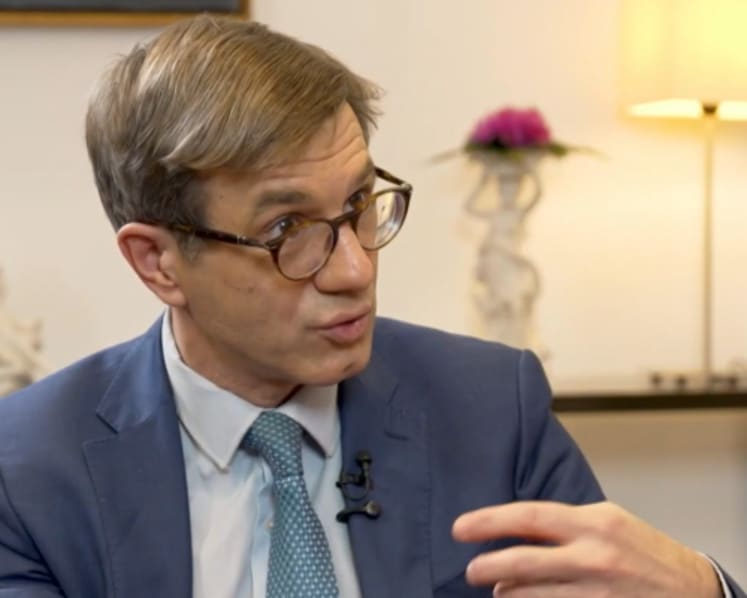
Benjamin Gallezot, France's Interministerial Delegate for Strategic Minerals and Metals Supplies, speaks to CNA in Kuala Lumpur.

This audio is generated by an AI tool.




KUALA LUMPUR: Malaysia has the potential to become one of the world’s leading producers of rare earths, according to French special envoy on critical minerals Benjamin Gallezot.
Speaking to CNA during a recent visit to Kuala Lumpur, Gallezot said Malaysia’s strengths lie not only in its natural resources, but also in its downstream industrial capabilities.
“Malaysia has the potential, although yet confirmed, to be one of the world leaders in the production of rare earths,” said the adviser on strategic minerals to French President Emmanuel Macron.
“(The country) has a very good downstream industry … a big capacity and quality resources, not only in rare earths but also other critical minerals.”
PARTNERSHIP TO PLUG “MISSING LINKS”





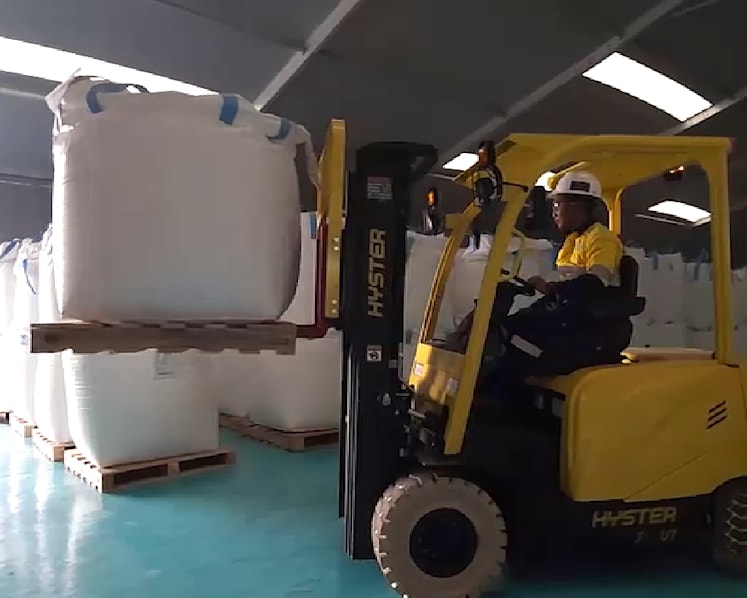
Gallezot was in Malaysia last week to inspect a rare earth refining facility in the northwestern state of Perak, following a memorandum of understanding (MOU) signed between Malaysian mining company Malaco and French rare earths specialist Carester.
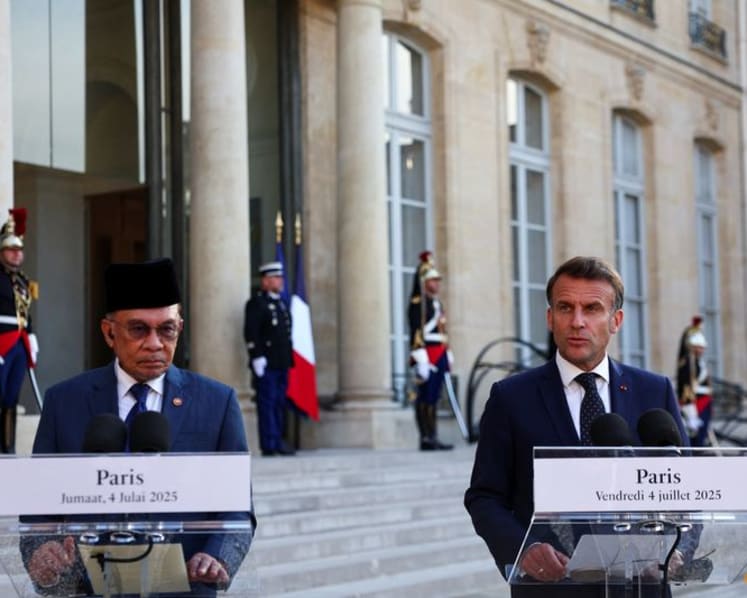
The agreement was sealed during Prime Minister Anwar Ibrahim’s visit to Paris last July.
According to Gallezot, the partnership aims to address key gaps between Malaysia’s raw materials and downstream industries.
“These missing links are the refining of rare earths, and the techniques related to rare earths extraction,” he said. “These are specific technologies, mainly chemical extraction technology and hydrometallurgical technology.”
Under the project, Carester is set to transfer its refining expertise to support Malaysia’s efforts to build a complete rare earth value chain.
“It’s the will of Malaysia to develop a value chain, and it’s the interest of France and Europe to have supply,” said Gallezot. “This complementary approach is the essence of this strategic MOU.”
PILOT PLANT TO TEST MALAYSIA’S SUPPLIES
The project is currently in its pilot phase, with a small-scale separation facility being built to test specific material found in Malaysia. If successful, it will be followed by a larger plant.
Malaco will develop both facilities with technical support from Carester. Gallezot said the pilot plant is expected to begin operations this year.
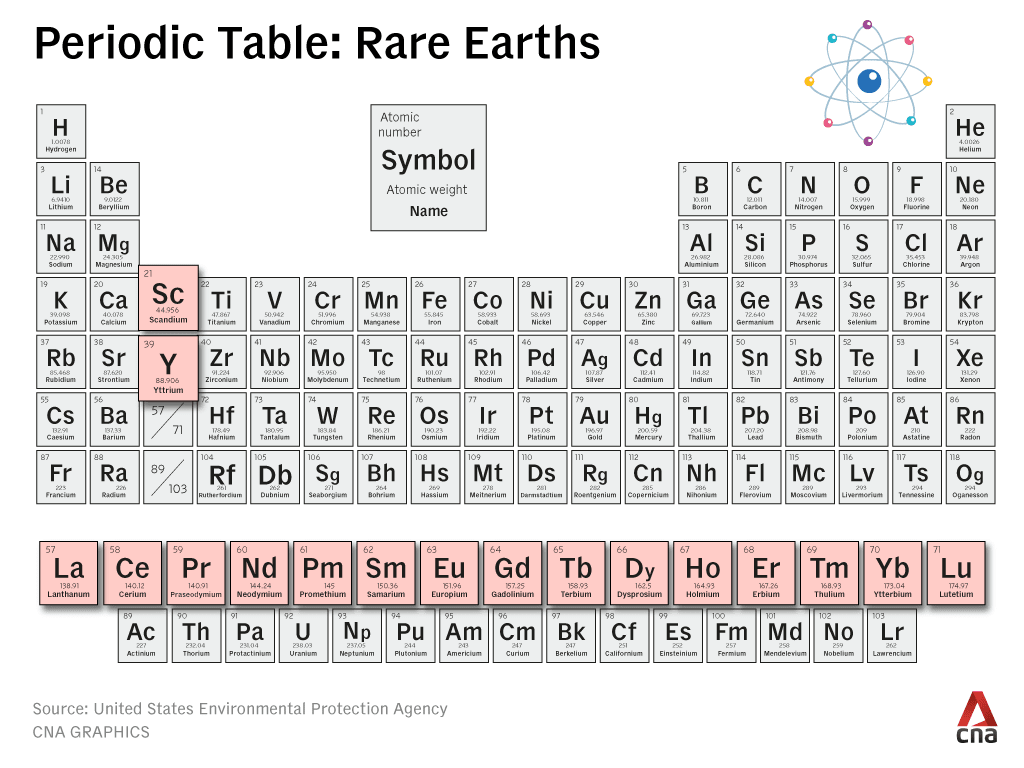
Once operational, the facility will be able to process up to 3,000 tonnes of rare earth oxide annually, producing elements such as neodymium, praseodymium, dysprosium and terbium – all key inputs for high-performance magnets used in electric vehicles and renewable energy technologies.
The project has already drawn interest from Japan. Representatives from Japanese gas company Iwatani joined the recent site visit, and Gallezot said Japanese magnet manufacturers are closely watching developments in Malaysia.
“Japan is interested in what is happening in Malaysia, and we have very good, deep cooperation with the Japanese government,” he said. “Speed and time are of the essence.”
MALAYSIA’S PUSH TO MOVE DOWNSTREAM
Malaysia has set a target to produce 30,000 tonnes of rare earth oxide by 2030, and the Malaco-Carester partnership is expected to contribute significantly to that goal.
“(We) will be a very big contributor to the refining part, which is what the Malaysian government wants, so that Malaysia can also go downstream into magnet (manufacturing),” Gallezot said.
He added that the project aligns with both Malaysia’s industrial ambitions and Europe’s need to diversify supply chains.
Western nations are seeking out alternative sources of rare earths – critical in high-tech products – to reduce reliance on China.
China currently dominates the global rare earths market, controlling much of the mining, refining and downstream supply chain.
Malaysia, which has an estimated 16.1 million tonnes of rare earth deposits, is looking to foreign partners to develop its domestic industry, as it currently lacks the technological capacity to mine and process these materials at scale
“We are confident that Malaysia will be successful in what it wants to achieve,” Gallezot said.
“These value chains are very complex, but considering (the nation's) resources and (volumes available), Malaysia is a very important player, and it's an asset for Malaysia.”